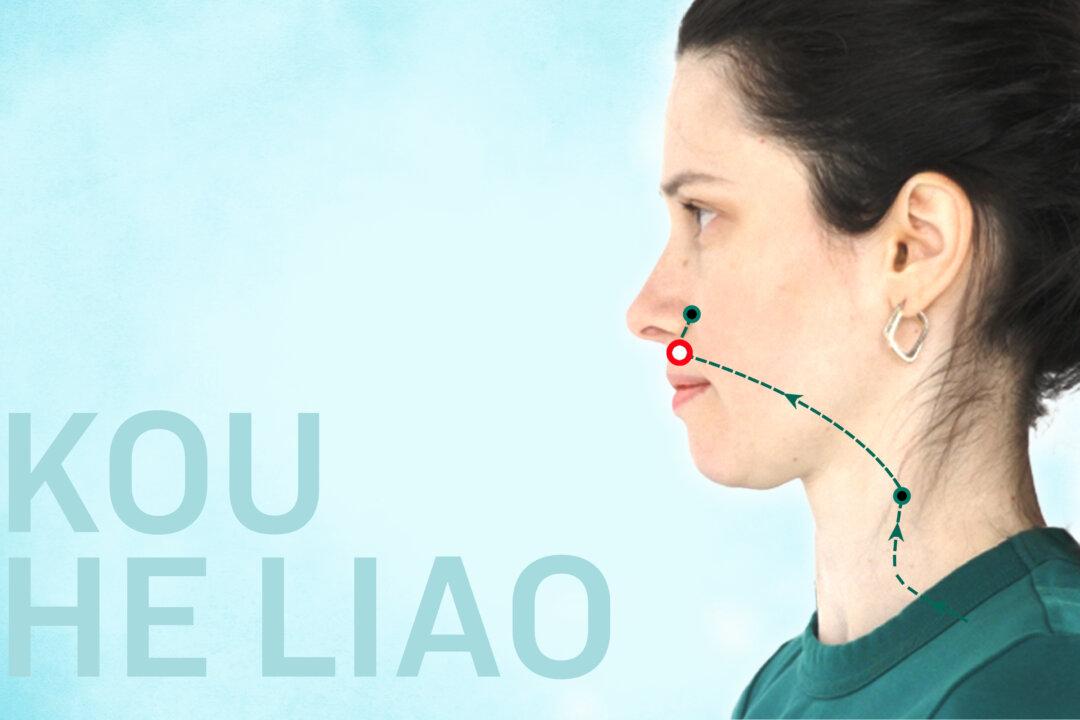
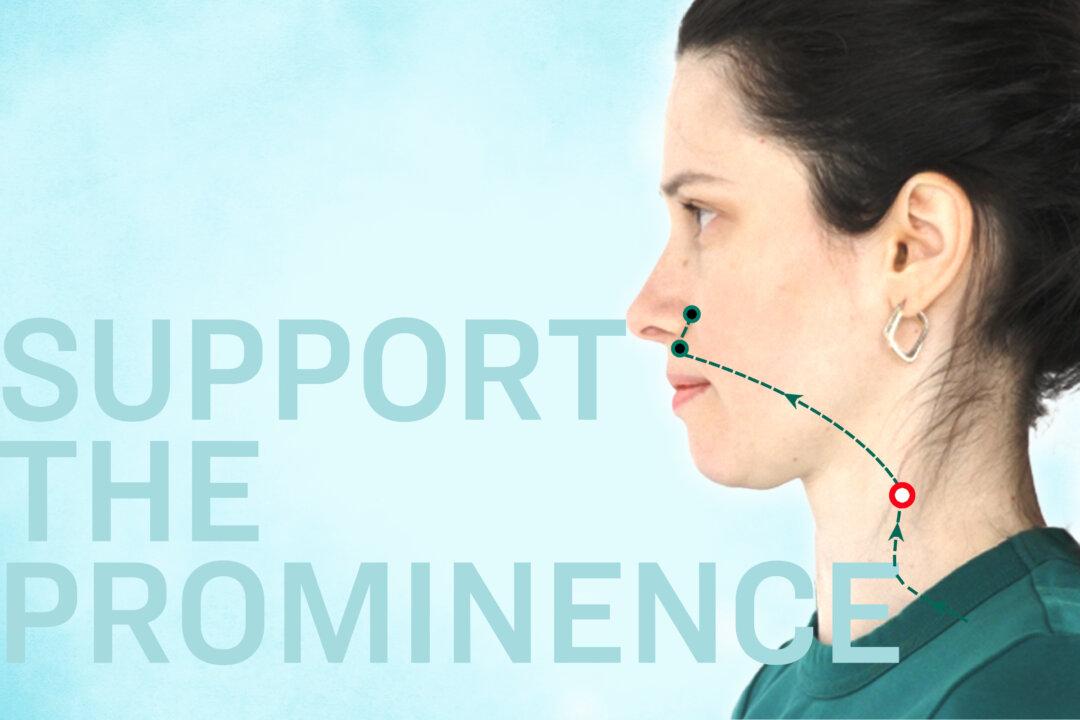
If you’ve ever clamped your jaw so hard from stress that you couldn’t chew without wincing, today’s acupoint will be a game-changer. Jia che (ST6), commonly translated as “Jaw Bone,” also has a lesser-known alias—Ghost Bed. Before you conjure images of haunted temples, know this: jia che belongs to a unique group of 13 “ghost points” recorded by the legendary Chinese physician Sun Simiao in the 7th century. While the name may sound dramatic, the effects of this point are very practical. Let’s take a look at how one small point on your face offers big support to both body and mind.
A Point Where Energy and Emotion Intersect
Jia che was first mentioned in the classic TCM text “Ling Shu (Spiritual Pivot),” specifically in the chapter on pathogenic influences. In traditional Chinese medicine (TCM), ghost points aren’t about supernatural hauntings; they’re about clearing emotional and energetic disturbances—what the ancients referred to as “internal phlegm” or “ghosts” clouding the mind. These points were used to treat conditions like nightmares, depression, mania, and even dissociative states.Jia che’s location gives it additional power. The stomach meridian makes a turn upwards at this point, and it is thought to send vital energy upward to nourish the head.