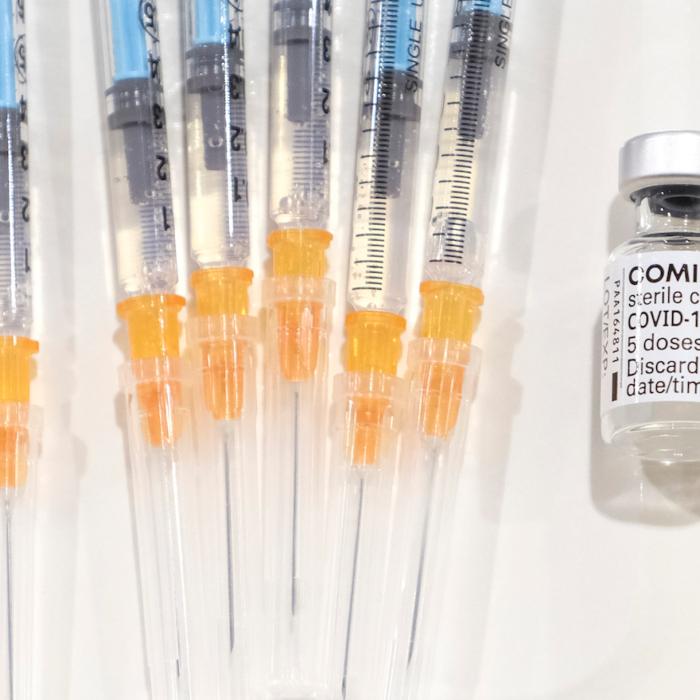
U.S. drug regulators influenced the decision not to send an alert on heart inflammation cases that were appearing after COVID-19 vaccination, according to emails obtained through the Freedom of Information Act (FOIA).
“The initial draft is with Rochelle now,” Sherri Berger, a top CDC official, wrote in an email on May 26, 2021. Dr. Rochelle Walensky was the CDC’s director at the time.
Hours later, a CDC spokesperson, Abbigail Tumpey, informed colleagues and officials with the U.S. Department of Health and Human Services that “we are still discussing the strategy on this topic.”
“However, after discussions internally and with FDA, we will likely [redacted],” she wrote. “Our team is on a call with FDA now. I will share the messaging shortly.”
Ms. Tumpey later emailed to say that the CDC had opted to issue a document called clinical considerations rather than an alert.
Ms. Berger and Ms. Tumpey, both of whom have since left the CDC, did not respond to requests for comment.
The FDA did not deny influencing the decision not to send the alert.
“The FDA continues to work collaboratively with the CDC to monitor for known safety risks related to vaccines and determine how best to ensure any relevant safety information is conveyed to the public, health care providers and clinicians,” a spokesperson told The Epoch Times in an email. “After thorough assessment and when the potential risk was clear, the FDA updated the fact sheets for the COVID-19 vaccines and communicated with the public in a manner that was determined to be appropriate for the assessed risk.”
Prepared to Review
Other emails from the same tranche showed that two top officials in President Joe Biden’s administration asked, and were going to be able to, review the warning before it was sent out.Dr. Rachel Levine, the administration’s assistant secretary for health, and Dawn O’Connell, the administration’s assistant secretary for preparedness and response, were going to be sent a draft of the alert after Dr. Walensky reviewed it, according to the emails.
“Dawn and Sarah need an early heads up and to see the language before hand,” Ms. Berger wrote in one missive, referring to Ms. O’Connell and Sarah Boateng, another official with the Department of Health and Human Services.
“I would also very much appreciate the opportunity to see the HAN before it is final,” Dr. Levine wrote.
“Initial draft with Walensky now. Flagging that you’d like to review as well,” Ms. Berger replied.
Dr. Levine was also in touch separately with Dr. Walensky on myocarditis, promoting claims that the heart inflammation might be unrelated to the vaccines.
“Myocarditis with COVID-19 is uncommon and even more uncommon with the vaccines- if it is associated at all with the vaccines,” Dr. Levine wrote after meeting with doctors from the American Academy of Pediatrics (AAP).
Still, the AAP experts conveyed that “significant risks that can be associated with adolescent myocarditis” and that youth with the heart inflammation should be placed under exercise limitations for at least three months, according to the emails.
The AAP put out guidance around the same time that encouraged people to get vaccinated despite the apparent risk of heart inflammation. It has since deleted that guidance but still maintains a similar position.
“Wow, thank you so much for this super helpful engagement,” Dr. Walensky said in a reply. The CDC planned to meet with the AAP on the matter, according to the emails.
Dr. Levine was later invited as a panelist for a call with public health partners to discuss the myocarditis cases, other missives showed.
Dr. Levine and the AAP did not respond to requests. A spokesperson for Ms. O’Connell declined to comment.