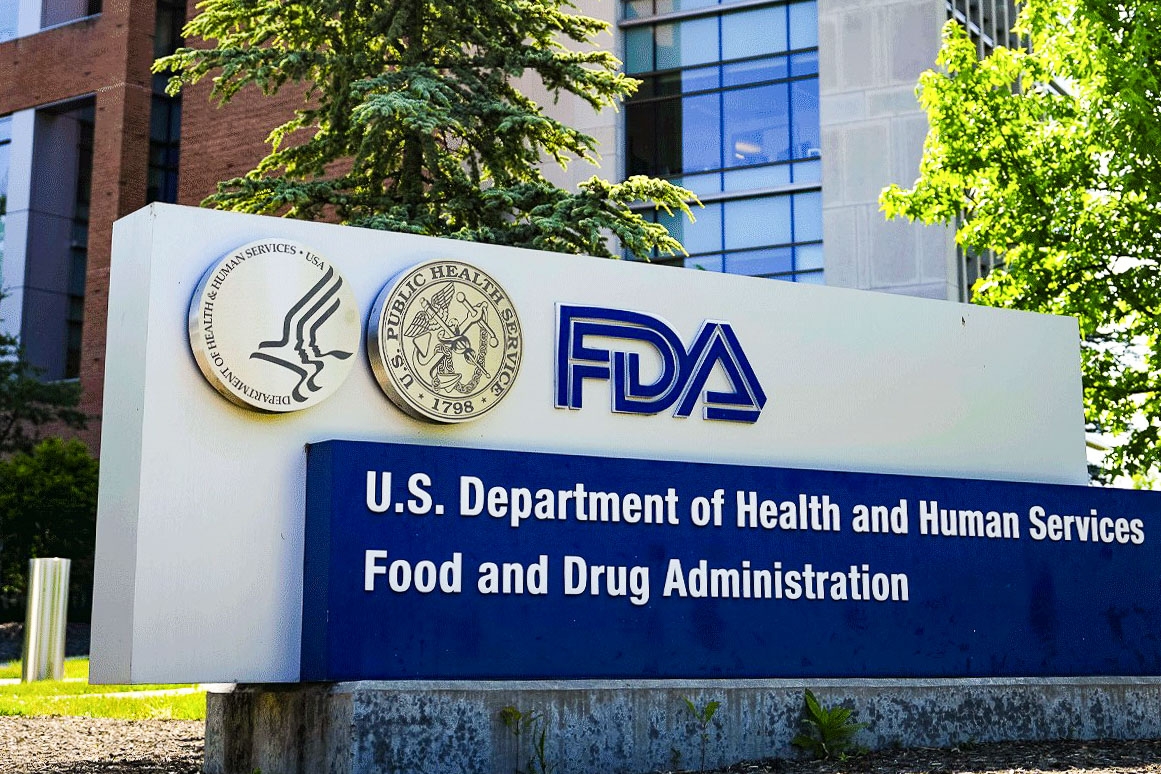

The Food and Drug Administration is defending its choice not to move forward with reviewing a therapy for a rare brain issue called Huntington’s disease.
A trial of uniQure’s AMT-130 gene therapy is not enough to warrant review of the therapy, a senior FDA official, speaking on condition of anonymity, told reporters on a call on March 5.
UniQure’s analysis of patients in the trial compared with those not involved in the study did show a benefit, but the FDA does not allow comparisons against such external controls to guide regulatory decisions, the official said.
The official said the product is a “failed therapy” and confirmed that regulators have asked uniQure to run a new trial to prove the therapy actually helps Huntington’s patients. The trial would have a placebo arm.
“The reason we use that as a control arm, rather than just compare them to people with Huntington’s from the past or outside of a study, is because Huntington’s disease has a varied ... course, and patients are known to be vulnerable to the placebo effect, meaning they feel better solely because they think they should,” the official said.
“The other reason is that the end points used in the Huntington’s disease assessment are very subjective endpoints,” which are susceptible to the placebo effect, the official added.
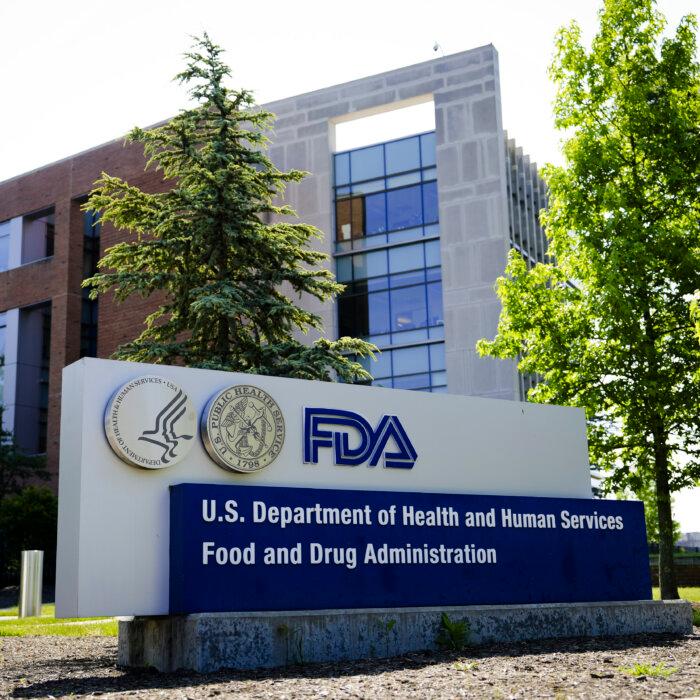
“So for this reason, FDA’s longstanding policy is that we need a placebo control to isolate whether the treatment works or whether it’s snake oil.”
The FDA has never approved a therapy that modifies Huntington’s disease, an inherited condition caused by a defective gene that steadily leads to serious problems such as loss of muscle control.
AMT-130 is given through a surgical procedure that involves drilling into the skull and injecting the therapy into brain cells.
In a small trial, uniQure randomized patients to receive AMT-130 or a mock procedure. That was supposed to be skin incisions meant to mask whether they had received the product or the placebo procedure, according to the clinical trial description, but actually involved partial burr holes in skulls, according to uniQure.
The treated patients did not fare better than the placebo controls after 12 months. Dr. Walid Abi-Saab, uniQure’s chief medical officer, told investors in a recent call that it would be “difficult to detect a meaningful and reliable change” after just one year.
“UniQure argues their treatment cannot be expected to work in a year, and they argue their external control data is truthful,” the senior FDA official said on the call on Thursday.
“But if both of those statements are true, why do we see a benefit at one year in the external control data but not in the randomized data? Those statements likely are not true. If the product worked as well as they advertise, you would see the benefit in one year.”
On March 2, uniQure said the FDA informed the company that the trial data were insufficient. Regulators strongly recommended a new, randomized trial that would feature placebo patients receiving sham, or fake, surgery, according to uniQure.
The FDA official told reporters that in a new trial, the placebo group would have anesthesia for about 30 minutes so a skin incision, or “three nicks in the scalp,” could be taken. The official said uniQure voluntarily chose burr holes rather than skin incisions in the previous trial.
Abi-Saab said sham surgery would require anesthesia for 10 to 12 hours in addition to cutting through skin and maybe drilling a hole in the skull, which represents a risk for patients.
UniQure said in a statement later Thursday that “the recent statements made by anonymous FDA sources to the press have been highly irregular, unprecedented, and are incomplete or entirely incorrect.”
The company said it is confident in the data it has already submitted to the FDA, and “is ready to move forward.”