



Compelling evidence suggests exercise is an important component of cancer prevention and care; slashing your risk of developing cancer, improving your chances of successful recuperation, and diminishing your risk of cancer recurrence.
A pattern revealed in these studies is that the longer you exercise, the more pronounced the benefits. Studies show that both men and women who exercise during their early years have a lower risk of cancer later in life.
But like most things in life, exercise must also be done in moderation and be balanced. There is a sweet spot and excessive exercise can cause its own set of issues, but most in the U.S. are far from being at risk for this problem.
According to a 2003 paper published in the journal Medicine & Science in Sports & Exercise,“more than 100 epidemiologic studies on the role of physical activity and cancer prevention have been published.”
The authors note that:
Adrenaline-Dependent Immune Cells Shrink Tumors
Most recently, research published in Cell Metabolism showed that active mice experienced a 50 percent reduction in tumor growth compared to inactive mice. The mechanism behind this rather remarkable occurrence is thought to be related to the rush of adrenaline that occurs during high intensity exercise.The adrenaline helps circulate natural killer (NK) immune cells into tumors in the lung, liver, and skin, where they go to work to kill off and eliminate the cancerous cells.
To test this theory, the researchers injected mice with adrenaline. As predicted, they found that this caused NK cells to move into the bloodstream, and when a tumor was present, the NK cells would infiltrate it.
Then, to confirm the link between NK cells and tumor shrinkage, they used specially bred mice that do not have NK cells. In these mice, exercise had no effect on the tumors.
Blocking the flow of adrenaline had the same effect — the tumors remained, even when the mice exercised. As reported by Medical News Today:
Exercise Improves Cancer Survival Rates and Cuts Recurrence
Should you end up with cancer, don’t fall for the old myth that rest is the best medicine. On the contrary, exercise has been shown to significantly boost your chances of recovery and survival.
For example, a 2005 Harvard study found that breast cancer patients who exercised moderately for three to five hours a week lowered their odds of dying from cancer by about half, compared to sedentary patients. In fact, any amount of weekly exercise increased a patient’s odds of surviving breast cancer to some degree, and this benefit remained constant regardless of whether women were diagnosed early on or after their cancer had spread.

Exercise has also been shown to minimize the side effects of conventional cancer therapy, and improve cancer patients’ quality of life.
A recent analysis of 16 studies found that across the board, cancer patients assigned to an exercise program consistently report significantly better quality of life compared to those in the non-exercising control groups, including higher self-esteem and physical functioning, less fatigue, reduced length of hospital stays, and fewer doctor’s visits.
Exercise Combats Cancer in Many Ways
Exploring the relationship between exercise and cancer, a study in the British Medical Journal found that exercise affects several biological functions that may directly influence your cancer risk, including changes in energy balance, immune function, antioxidant defense, DNA repair, and hormone levels.Indeed, there’s not just one mechanism responsible for its cancer-fighting effects. There are many, starting with the fact that exercise decreases your insulin resistance, which is a profoundly effective strategy to reduce your cancer risk. By creating a low sugar environment, you strongly discourage the growth and spread of cancer cells.

Exercise, by lowering your blood sugar levels and normalizing your insulin sensitivity, has a similar effect — it essentially creates an environment that is less conducive to cancer growth.
This also helps explain why exercise during childhood reduces your lifetime cancer risk, and why obese children are at a significantly heightened risk of cancer in their adult years.
The Metabolic Theory of Cancer
Perhaps most importantly, exercise promotes mitochondrial health. Mitochondrial damage can trigger genetic mutations that can contribute to cancer, so optimizing the health of your mitochondria is a key component of cancer prevention. In fact, mitochondrial dysfunction is at the core of virtually all diseases.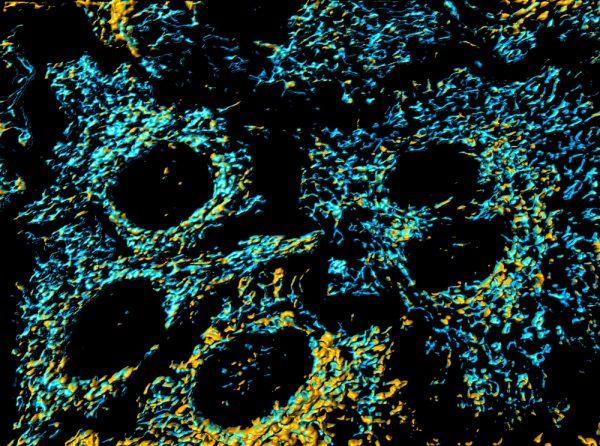
By forcing your mitochondria — those little power stations that produce ATP in your cells — to work harder, your mitochondria start making reactive oxygen species (ROS), which act as signaling molecules. One of the functions they signal is to make more mitochondria.


