A prescription drug injected weekly to help reduce weight in overweight and obese people was shown to significantly reduce the risk of Type 2 diabetes (T2D).
Tirzepatide, the active ingredient in Mounjaro and Zepbound, was shown to reduce the progression of T2D by 94 percent, according to a press release from Eli Lilly and Co., the drug’s manufacturer, on Tuesday.
Mounjaro is approved for treating T2D while Zepbound is approved for weight loss.
Apart from weight loss, patients were also tracked for time to T2D onset and other metabolic markers like fasting insulin and cholesterol levels. The company did not disclose information on participants who progressed to T2D.
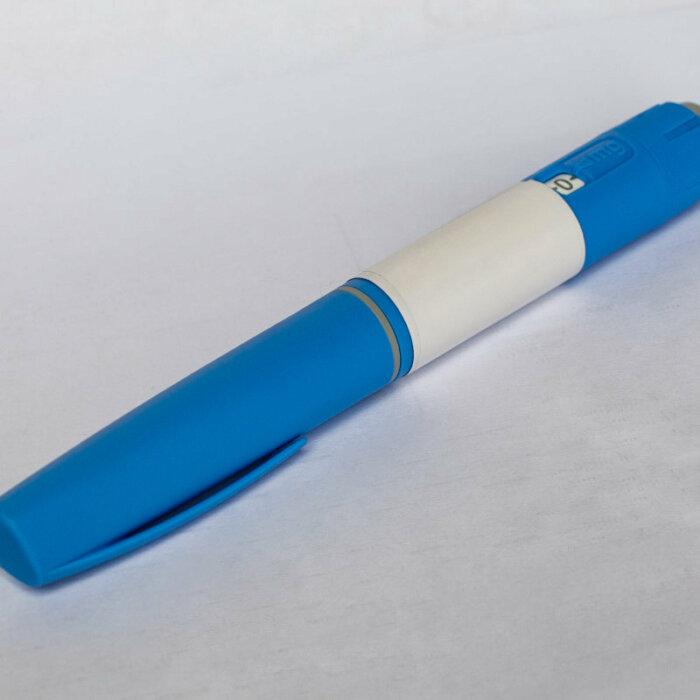

Both the placebo and intervention groups reported similar rates of adverse events. Those who took higher doses of tirzepatide reported lower rates of mortality and more serious adverse events than those in the placebo group.
Jeff Emmick, Eli Lilly’s senior vice-president of product development, said obesity is a chronic disease with 900 million people worldwide suffering from it. Obese people are at an increased risk of T2D. Emmick said the data supporting tirzepatide reinforce “the potential clinical benefits of long-term therapy for people living with obesity and pre-diabetes.”
Following Drug Protocol Reduces Risk
The company said the study participants who discontinued the drug during a 17-week follow-up period did not do as well as those who continued to follow the treatment schedule. They began to regain weight, nevertheless, they still had a lower risk of progression to Type 2 diabetes than the control group, reporting a reduced risk by 88 percent, the company saidTirzepatide works by activating hormone receptors that regulate appetite and food intake.
The medication is not recommended for pregnant women due to potential fetal harm.
The Epoch Times contacted Eli Lilly for comments.