A little taste of dark chocolate can not only make your day sweeter, but also give you more days to enjoy.
Markers of Aging Decreased
Researchers from King’s College London have discovered that theobromine, a compound found in dark chocolate, is linked to a slower rate of cellular aging.It’s Not Just Chocolate
The team found that this effect was specific to theobromine. Other compounds found in cocoa and coffee didn’t show the same association.Researchers found that eating more dark chocolate was linked to fewer DNA markers of aging and to retaining telomere length, the protective caps on chromosomes that shorten over time as people age.
However, scientists noted that eating more dark chocolate isn’t the answer. The bars also contain sugar and fat, and too much theobromine can cause problems. Symptoms of excess theobromine intake include increased sweating, headaches, and acute digestive issues.

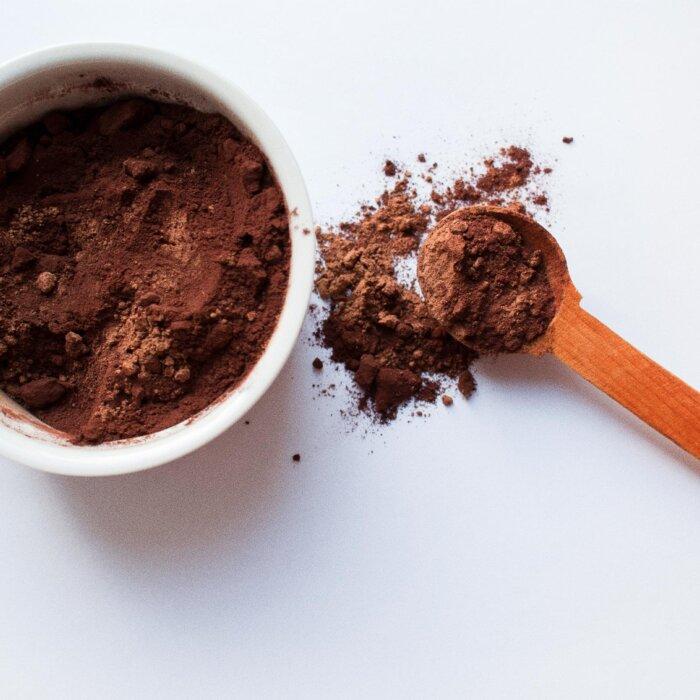
Eating 50 grams to 100 grams of cocoa powder (containing 0.8 grams to 1.5 grams of theobromine) can cause sweating, headaches, and digestive issues, James H. Swain, director of the didactic program in nutrition and dietetics at Case Western Reserve University, who wasn’t involved in the study, told The Epoch Times.
“These symptoms may also be related to theobromine’s chemical similarity to caffeine and/or the effects of caffeine as well,” he said. “Since many products that contain theobromine also contain caffeine.”
For those interested in theobromine beyond chocolate, other dietary sources include green and black teas, coffee, and yerba mate, a traditional South American tea.
“These also pair superbly with dark chocolate, by the way,” Swain said.
The findings raise new questions about how diet influences aging.
Plant compounds such as theobromine may influence aging by changing how our genes are turned on or off. Some of these compounds, called alkaloids, can interact with the cellular machinery that controls gene activity and may affect health and longevity.
“This is a very exciting finding, and the next important questions are what is behind this association and how can we explore the interactions between dietary metabolites and our epigenome further?” lead researcher Dr. Ramy Saad of King’s College London and University College London said in the statement.
“This approach could lead us to important discoveries towards ageing, and beyond, in common and rare diseases.”
Ana Rodriguez-Mateos, professor of human nutrition at King’s College London, said in the statement that future research will explore whether the effect is unique to theobromine or whether it interacts with other beneficial compounds in dark chocolate such as polyphenols.
Bell said, “While we’re not saying that people should eat more dark chocolate, this research can help us understand how everyday foods may hold clues to healthier, longer lives.”