Skipping a few of our nightly seven to nine hours doesn’t just leave us groggy; it might cut years off our lives.
Recent research found that catching enough Z’s is more than just a way to feel rested—it’s a key factor in how long you’ll live—even more so than what you eat or how much you exercise.
Besides smoking, the amount of sleep a person got was the strongest predictor of life expectancy.
While scientists have long understood that getting enough sleep benefits health, the study reveals a surprisingly strong link between sleep and how long people live.

How Does Sleep Affect Health?
Although previous studies have shown that inadequate sleep increases the risk of early death, this newer research is the first to demonstrate year-to-year correlations between sleep and life expectancy across all U.S. states.While the research did not explore specific reasons why inadequate sleep shortens life expectancy, McHill noted that sleep influences vital aspects of health, including heart health, immune function, and brain activity.
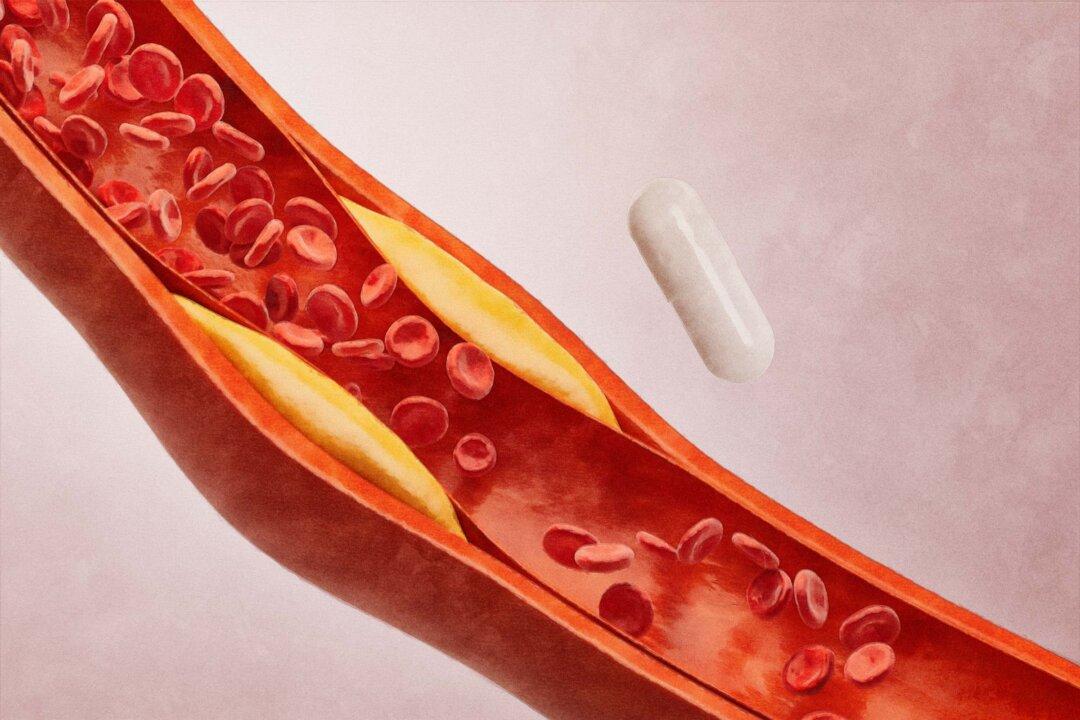
Chronic sleep insufficiency is linked to a cascade of serious health conditions, according to Chelsie Rohrscheib, a neuroscientist and sleep expert at Wesper, a home-testing sleep diagnostics company. The conditions include hypertension, cardiovascular disease, heart failure, stroke, Type 2 diabetes, dementia, cancer, and immune system dysfunction.
There have been multiple studies over the years showing that either too little or too much sleep is a strong predictor of mortality, Dr. Thomas Kilkenny, director of the Northwell Health Institute of Sleep Medicine at Staten Island, who was not involved in the study, told The Epoch Times.
“These and other studies confirm that there is a very strong association between poor sleep efficiency and subsequent early death,” Kilkenny said.
“Sleep deprivation has also been associated with mood dysregulation and is associated with increased risky personal behavior.”