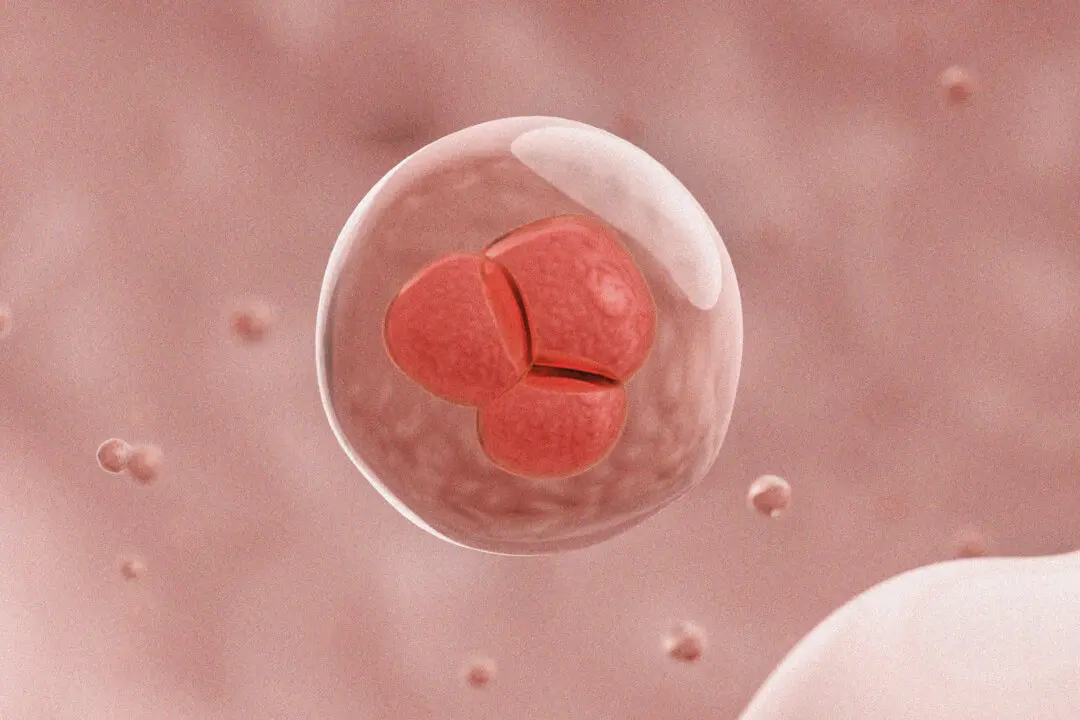
A new study from the Washington University (WashU) School of Medicine in St. Louis suggests that existing immunotherapy drugs already used to treat inflammatory conditions may offer a potential treatment for the millions of Americans living with heart failure, a condition now projected to affect one in four people during their lifetime.
Heart failure (HF) progressively weakens the heart’s ability to pump blood effectively. While it often develops after heart attacks or viral infections, the key culprit is scar tissue that forms in the heart muscle, interfering with normal contractions and degrading cardiac function. Current treatments can only slow the disease’s progression and manage symptoms —there is no cure.
The condition already affects nearly 7 million U.S. adults, with rates rising particularly among younger patients, according to the Heart Failure Society of America (HFSA).
Treating HF by Reducing Scar Formation
Published Wednesday in Nature, the new animal study highlights the damaging role of a type of fibroblast cell in heart tissue, which typically provides support to the contracting heart muscle. The findings suggest that targeting inflammation to treat tissue fibrosis could reduce HF-related scar tissue formation.“There is a tremendous need for better therapies that actually stop the disease process and prevent the formation of new scar tissue,” he added.

Potentially Effective Drugs Already Available
When researchers blocked IL-1 beta using monoclonal antibodies in mouse models of heart failure, they saw reductions in scar tissue formation and improved heart function.Drugs approved by the U.S. Food and Drug Administration (FDA) that block IL-1 beta already exist.
The researchers are optimistic about the potential for these treatments in heart failure patients.
Next Steps and Challenges
Researchers acknowledge some concerns about side effects, particularly the increased infection risk associated with IL-1 beta-blocking therapies. Lavine suggested that developing more targeted antibodies focusing on cardiac fibroblasts could help reduce these side effects.As a next step, the research team hopes that their findings will pave the way for clinical trials investigating the efficacy of targeted immunotherapy in heart failure patients.
“We are hopeful that the combination of all of this evidence, including our work on the IL-1 beta pathway, will lead to the design of a clinical trial to specifically test the role of targeted immunotherapy in heart failure patients,” Lavine said.