
China is currently grappling with its largest-ever outbreak of chikungunya, a mosquito-borne viral illness, with the epicenter in Foshan, a major city in southern Guangdong Province.
The illness caused by the chikungunya virus (CHIKV) is spread exclusively through mosquito bites—not through human-to-human contact. The virus is primarily transmitted by Aedes mosquitoes, which thrive in warm, humid climates. Once infected, a person can serve as a source of the virus for other mosquitoes, fueling further spread.
In response, the Centers for Disease Control and Prevention issued a Level 2 travel advisory for countries and regions experiencing chikungunya outbreaks, including China’s Guangdong Province. The advisory urges travelers to exercise enhanced precautions.
What Is Chikungunya?
Chikungunya is a mosquito-borne viral illness caused by CHIKV, transmitted primarily by Aedes aegypti and Aedes albopictus mosquitoes—the same mosquitoes that carry dengue and Zika.The disease is not spread from person to person. Instead, an infected mosquito transmits the virus to a human through a bite. If a mosquito bites an infected person, it can then spread the virus to others.
Symptoms and Health Impact
Symptoms typically appear three to seven days after being bitten by an infected mosquito, and may include high fever, severe joint pain, muscle pain, headache, rash, nausea, and swollen joints.
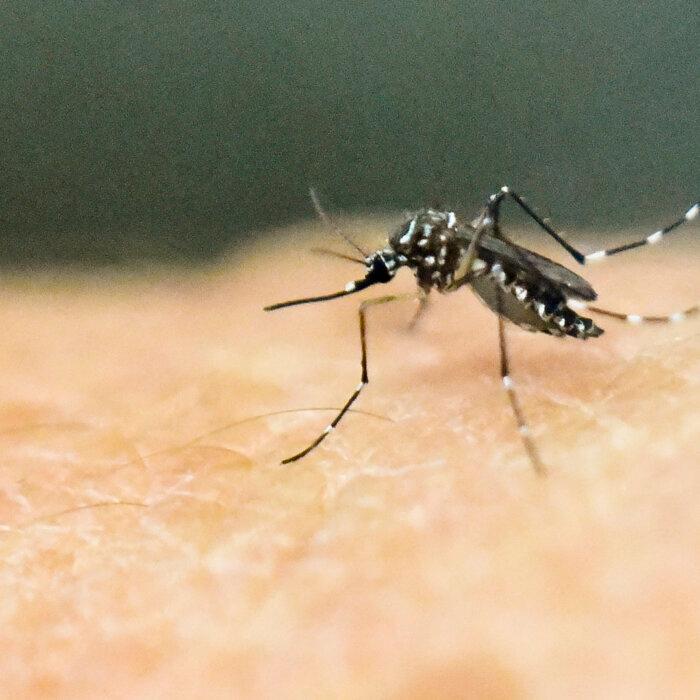
Most people recover within two weeks, but in some cases—particularly in infants, the elderly, or those with preexisting health conditions—joint pain can become chronic and debilitating.
Typical Epidemiological Hotspots for Chikungunya
Historically, chikungunya outbreaks have been common in South and Southeast Asia, as well as parts of Africa. Prior to the current outbreak in southern China, cases in China had been very rare.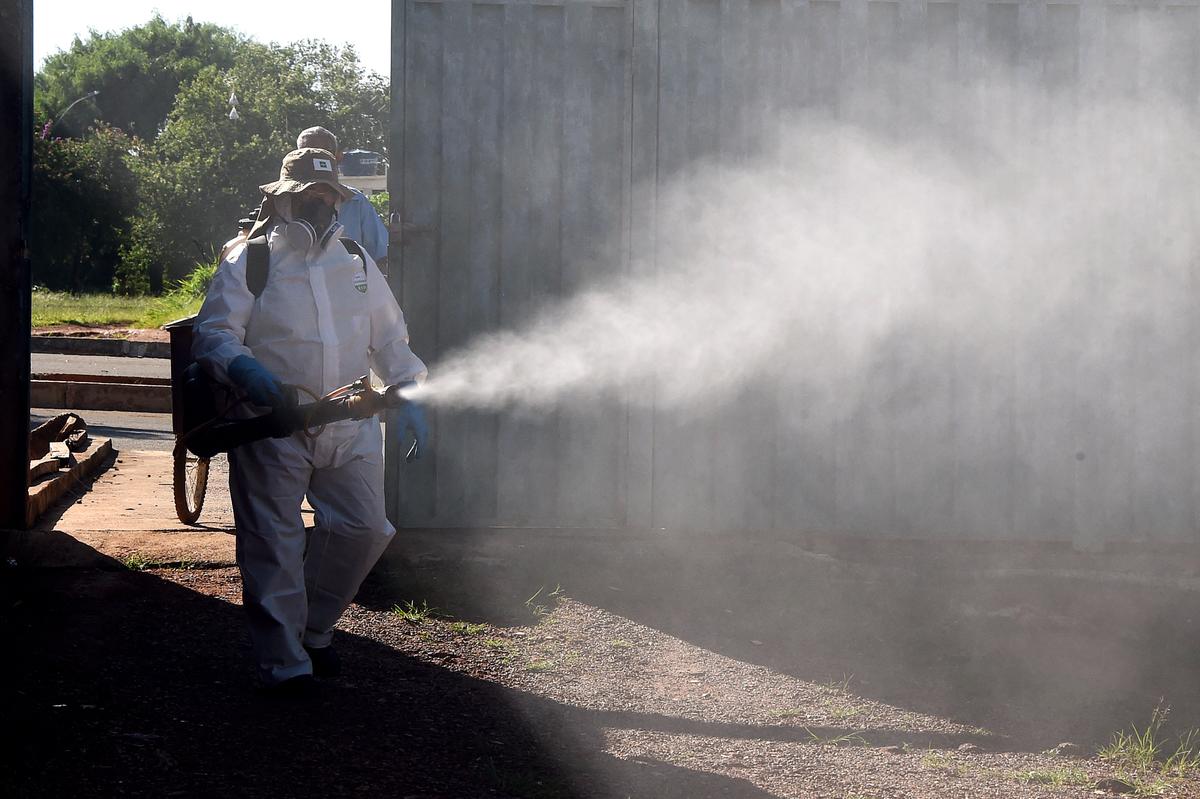
Since 2004, CHIKV outbreaks have become increasingly frequent and widespread, partly due to viral mutations that enhance transmission by Aedes albopictus, also known as the Asian tiger mosquito.
2025 Outbreak in China: What’s Happening?
China is currently experiencing its largest-ever chikungunya outbreak, centered in Guangdong Province, particularly in Foshan City.Since June 2025, more than 7,000 cases have been confirmed, and the number continues to rise. New infections have been reported in at least 13 cities across southern China, along with one imported case in Hong Kong.
Most cases have been mild, with more than 95 percent of patients discharged within a week. As of early August, no deaths have been reported.
However, these figures should be viewed with caution, as Chinese authorities have a history of concealing or underreporting epidemic outbreaks.
Experts in China believe the outbreak is fueled by warmer temperatures, high humidity, and increased breeding of mosquitoes, especially the Aedes albopictus.
What You Can Do to Stay Safe
While the current outbreak in China is the main focus, the World Health Organization strongly recommends following preventive measures for anyone living in or traveling to areas with active mosquito populations.The most effective way to reduce CHIKV transmission is by controlling mosquito populations and eliminating breeding sites. This requires community involvement—regularly emptying and cleaning water containers, disposing of waste properly, and supporting local mosquito control programs.
During outbreaks, health authorities may also deploy insecticides to kill adult mosquitoes, treat surfaces where mosquitoes rest, and target larvae in standing water.
Individuals in affected areas are advised to wear protective clothing that minimizes skin exposure, install window and door screens to keep mosquitoes out, and apply mosquito repellents containing DEET, IR3535, or icaridin.