Chicken Salad Bowls Pulled From Markets Due to Listeria Concerns

Listeriosis infection is rare but serious when it affects certain sections of the population.
Chicken Salad Bowls Pulled From Markets Due to Listeria Concerns
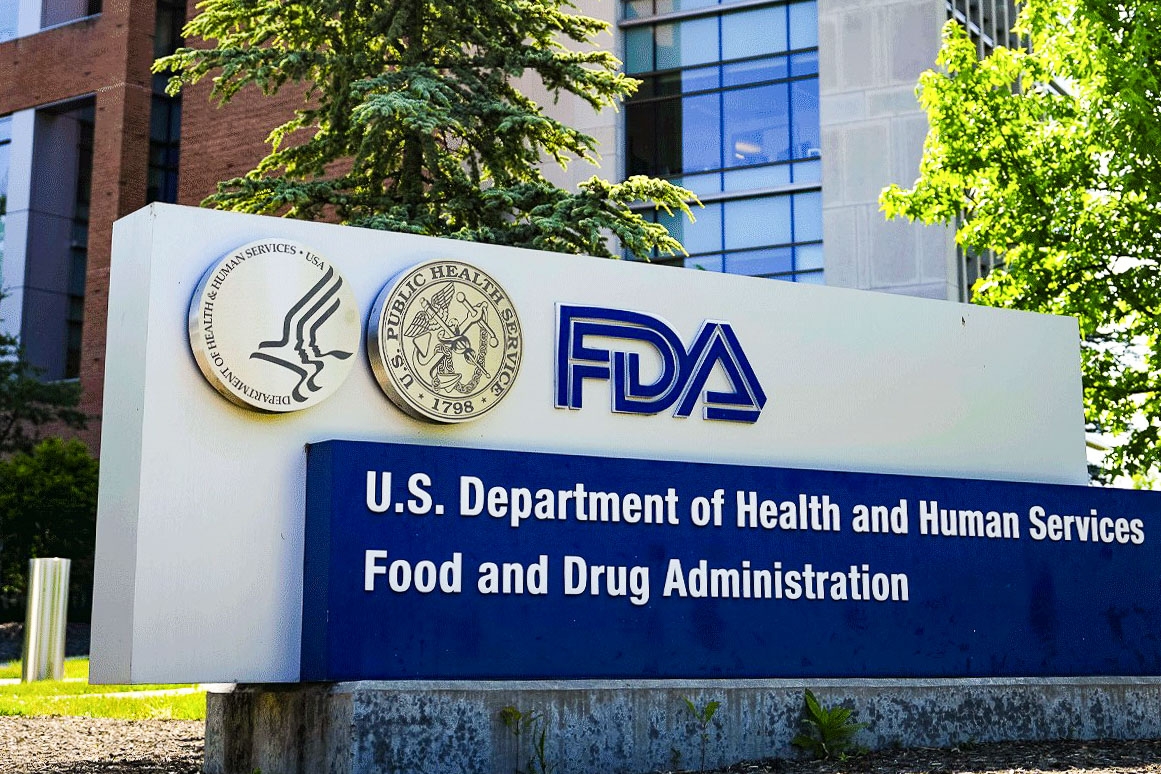
The U.S. Food and Drug Administration (FDA) in White Oak, Md., on June 5, 2023. Madalina Vasiliu/The Epoch Times
|Updated:
0:00

Florida-based Fresh Express announced a recall of Gourmet Café Chicken Caesar Salad Bowls as the products included items from BrucePac, a company that recently had concerns about listeria.

On Oct. 9, BrucePac pulled nearly 10 million pounds of meat products, citing listeria monocytogenes bacterial contamination risk. The recall was later expanded to include an additional 1.7 million pounds of products for a total of almost 12 million pounds.
“Fresh Express is no longer using chicken ingredients from the ingredient supplier’s (BrucePac) impacted facility and we will not do so until the USDA has inspected and given its approval for the facility to operate,” said an Oct. 26 voluntary recall notice from the company published by the U.S. Food and Drug Administration (FDA).

The salad bowls were distributed in California, Louisiana, Texas, and Washington, according to the notice.

Customers are advised to discard the product. For more information regarding refunds, consumers are requested to contact Fresh Express Consumer Response Center, and the recall notice added that refunds were also available at the place of purchase.

The salad bowls’ “use-by” dates ranged from Oct. 26 to Nov. 2, 2024.

People who consume foods contaminated with listeria bacteria might get infected with listeriosis. The germ is most likely to harm pregnant women, newborns, older adults, and people with weakened immune systems. Listeria infection is rare, but it can be serious when it affects these sections of the population.

Intestinal and Invasive Variants

According to the U.S. Centers for Disease Control and Prevention, listeria can cause invasive illness or intestinal illness. When the disease spreads beyond the intestines (gut), it is called invasive listeriosis.

Pregnant women typically suffer from flu-like symptoms and fever when affected by invasive listeriosis, whereas non-pregnant people with the illness may also suffer from headaches, neck stiffness, confusion, loss of balance, and seizures. Nearly one in six non-pregnant people with invasive listeriosis die.

Diarrhea and vomiting are symptoms of intestinal illness. Symptoms of this variant are usually mild, but sometimes the illness develops into invasive illness.

Symptoms of invasive listeriosis typically start within 2 weeks after eating contaminated food, while intestinal illness usually starts within 24 hours and lasts for one to three days.

Listeria Outbreaks, Food Supply Issues

Listeria infects an estimated 1,600 people annually in the United States and results in 260 deaths, according to the CDC. It is the third leading cause of death in the country from foodborne illnesses.
There have already been multiple listeria outbreaks this year. In February, the CDC issued an alert about an outbreak linked to queso fresco and cotija cheese made by Rizo-Lopez Foods. The incident resulted in 26 known infections, 23 hospitalizations, and two deaths across 11 states.
In July, an outbreak was linked to meats sliced at delis. Boar’s Head recalled meat products from the market. The outbreak resulted in 59 cases, with all those infected being hospitalized. Ten deaths were recorded. The infections were spread over 19 states.

While the CDC has closed its investigation on the outbreak linked to cheese, the agency is still probing the deli meat situation.

A Sept. 3 post by Northeastern University states that the Boar’s Head incident was the largest listeria outbreak since 2011. Darin Detwiler, an associate teaching professor at the university, attributed the increase in listeria cases to better reporting as well as problems in the food safety chain.

“The complexity of the modern food supply chain, with its reliance on global sourcing, increases the risk of contamination at various points from production to distribution,” he said. “Changes in consumer preference toward ready-to-eat foods and fresh produce, which are more susceptible to contamination, have heightened the risk.”

Detwiler has observed that listeria is “more harmful” than many people assume, noting that roughly 20 percent of listeriosis cases among pregnant women cause miscarriages or stillbirths.

In around 50 percent of pregnancies affected by the infection, babies are delivered before 37 weeks of gestation, he said.
Naveen Athrappully
Naveen Athrappully
Reporter
Naveen Athrappully is a news reporter covering business and world events at The Epoch Times.