The bacterial infection has “especially” been on the rise in cases involving “young children,” the CDC said on Oct. 18, adding that cases started to increase broadly across the United States starting in the spring “and have remained high” since then.
“The proportion of patients discharged from emergency departments with a diagnosis of M. pneumoniae-associated pneumonia or acute bronchitis has been increasing over the past six months, peaking in late August,” the agency said.
The number of U.S. emergency room visits with pneumonia among children aged 2 to 4 has increased from 1 percent to more than 7 percent this year, the CDC said. Children between the ages of 5 and 17 have seen that figure rise from 3.6 percent to 7.2 percent in the same time period.
Normally, mycoplasma infections “historically [haven’t] been recognized as a leading cause of pneumonia” in the 2-to-4 age cohort, the CDC said.
But between March 31 and Oct. 5 of this year, the data show that there is “an increase among all age groups across the United States, peaking in August, and remaining high,” the CDC added.
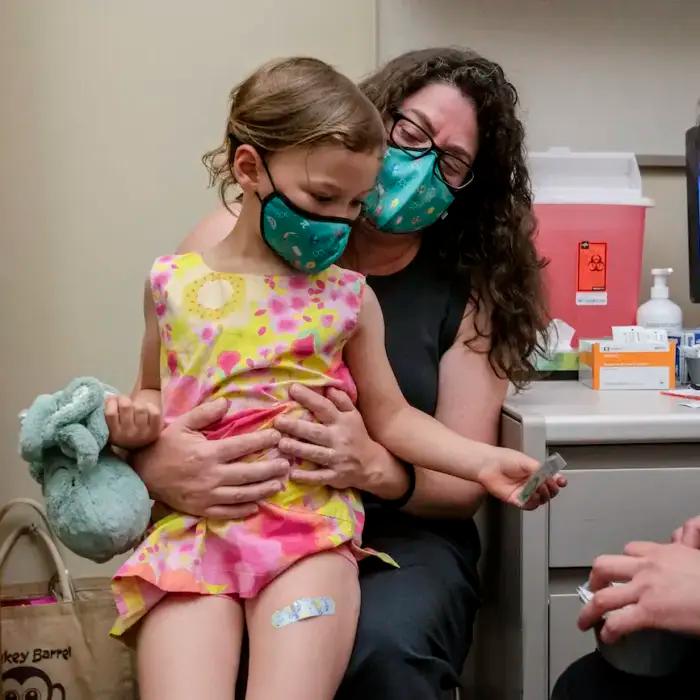
Federal officials are now advising health care providers to raise awareness about the bacterial infection, be aware of the illness, promote the use of antibiotics, and consider using nasopharynx and throat swabs to detect mycoplasma cases, according to the CDC.
Symptoms
The bacteria primarily impacts the respiratory tract, potentially damaging the lining of the throat, lungs, and windpipe or trachea, officials say.Normally, it’s more common for people to develop tracheobronchitis, or inflammation of the trachea and bronchi, which are major air passages connecting the lungs to the trachea. However, according to the CDC, some can develop pneumonia, which is an infection targeting the lungs themselves.
Some people who are infected with the bacteria can show no symptoms, but it can take between 1 and 4 weeks for symptoms to occur after exposure. If they occur, symptoms can last several weeks.
Signs and symptoms of mycoplasma-induced tracheobronchitis, or a chest cold, can include fever, headache, tiredness, a slowly worsening cough, and a sore throat. For younger children, they may experience diarrhea, sneezing, sore throat, a runny nose, watery eyes, vomiting, and wheezing.
If one develops pneumonia from Mycoplasma pneumoniae, symptoms can include tiredness, cough, fever and chills, and shortness of breath.
“People with pneumonia caused by M. pneumoniae can seem better than expected for someone with a lung infection,” the CDC also says. “With mild symptoms, people may not stay home or in bed. Thus, the phrase ‘walking pneumonia’ was coined.”
However, complications can occur, the agency warns, namely if a person has a preexisting condition such as asthma, encephalitis, hemolytic anemia, renal dysfunction, serious pneumonia, or certain disorders such as Stevens-Johnson syndrome.