The CDC issued a warning about a deadly bacteria that can kill up to 50 percent of people it infects, saying that it has been declared endemic along the U.S. Gulf Coast.
“It is an environmental organism that lives naturally in the soil, and typically freshwater in certain areas around the world. Mostly in subtropical and tropical climates,” Petras told the outlet.
But Petras said that most people who are exposed to the organism don’t develop symptoms and create antibodies against the bacteria. All three patients who were infected responded to treatment and fully recovered, she said.
People with diabetes, chronic kidney and liver diseases, and other autoimmune disorders are at the most risk of developing severe complications from melioidosis, officials said.
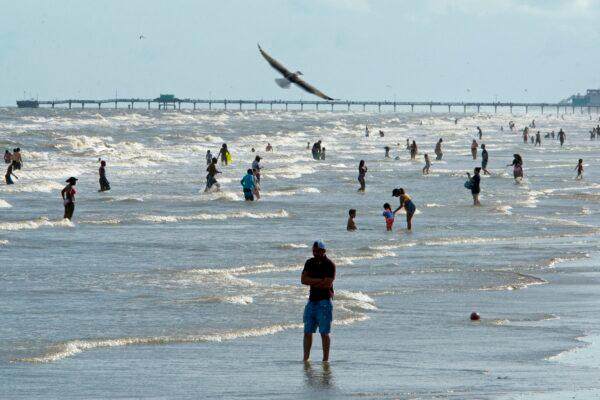
The agency says that “individuals living in the Gulf Coast of Mississippi and who have health conditions that may put them at higher risk—such as diabetes, chronic kidney disease, chronic lung disease, or excessive alcohol use—should take precautions to protect themselves.”
Petras also noted in the report that “excessive alcohol use is also a known risk factor, and binge drinking has actually been associated with cases as well from endemic areas.” She added that the bacterial disease “is also called the great mimicker because it can look like a lot of different things.”
“It’s greatly under-reported and under-diagnosed and under-recognized,“ she continued to say, adding that ”we often like to say that it’s been the neglected, neglected tropical disease.”
The CDC says that in areas where “Burkholderia pseudomallei” could be present, people should avoid contact with muddy water or soil, namely after heavy rains, and that people should also protect any open wounds with waterproof bandages.
“Wear waterproof boots when gardening, doing yard work, or doing agricultural work, which can prevent infection through the feet and lower legs—particularly after flooding or storms,” it says. “Wear gloves to protect the hands when working directly with soil.”
According to Petras, some 160,000 cases of melioidosis are reported annually around the world. Some 80,000 people die, according to HealthDay, noting that it’s rare for the bacteria to spread from one person to another.
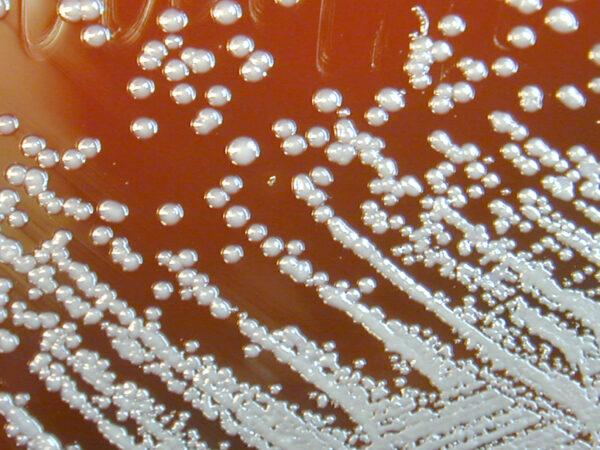
Courtesy of Larry Stauffer/Oregon State Public Health Laboratory via CDC
“A lot of patients will have pneumonia with sepsis, and or sepsis, which is associated with higher mortality and worse outcomes,” Petras said. “We have antibiotics that work,” she added. “What I’m talking about is IV antibiotics for at least two weeks, followed by three to six months of oral antibiotics.”
“It’s an extensive treatment, but if you’ve finished the full course and you’re diagnosed early, which is the really key thing, your outcome is probably going to be quite good,” said Petras.
According to the CDC’s website: “[The] CDC encourages healthcare providers in the Gulf Coast region of the southern United States as well as clinicians throughout the country to learn about melioidosis and to be aware of the potential for more cases as CDC and partners continue to investigate the geographic spread of B. pseudomallei. As a nationally notifiable disease, melioidosis should always be reported to the state health department.”