The U.S. Centers for Disease Control and Prevention (CDC) said Thursday that hospitals and emergency rooms could be overwhelmed due to influenza and COVID-19.
“COVID-19 hospitalizations are rising quickly,” the federal agency said in a weekly update. “Since the summer, public health officials have been tracking a rise in multisystem inflammatory syndrome in children (MIS-C), which is caused by COVID-19. Influenza activity is growing in most parts of the country. RSV activity remains high in many areas.”
“In some parts of the country, hospital beds for children are already nearly as full as they were this time last year,” the CDC said Thursday. “If these trends continue, the situation at the end of this month could again strain emergency departments and hospitals. Strain on the healthcare system could mean that patients with other serious health conditions may face delays in receiving care.”
The federal health agency, meanwhile, said that it is monitoring “other respiratory germs” that are circulating around the United States, including a recent increase in pediatric pneumonia “around that world” that might be “caused by many types of bacteria, fungi, and viruses.” The agency was likely referring to a surge in pneumonia cases in mainland China in recent weeks, which prompted a ProMed health alert.

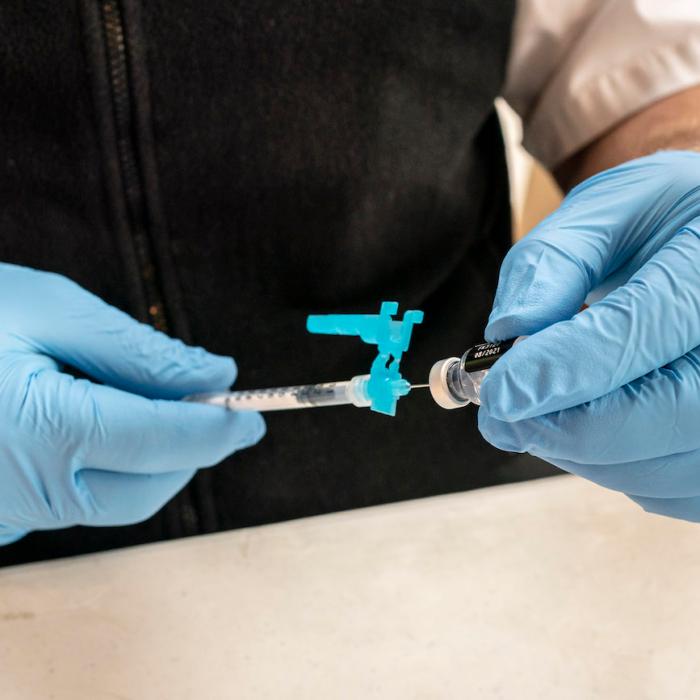
“Healthcare providers should administer influenza, COVID-19, and RSV immunizations now to patients, if recommended,” the CDC stated.
There were 7.4 million fewer influenza vaccine doses administered to adults in pharmacies and physician offices than were administered during the 2022–23 influenza season, according to the CDC. Nearly 16 percent of U.S. adults aged 60 and older were reported to have taken an RSV vaccine, and 36 percent of U.S. adults aged 65 and older took a COVID-19 vaccine for the 2023–24 period.
The CDC also stated in December that COVID-19 booster uptake is lower than it had anticipated for this season.
JN.1 Variant
It comes as the CDC provided an update on the JN.1 variant about a week before, saying the COVID-19 strain makes up between 15 percent and 29 percent of cases across the United States.“The continued growth of JN.1 suggests that it is either more transmissible or better at evading our immune systems. At this time, there is no evidence that JN.1 presents an increased risk to public health relative to other currently circulating variants,” the agency said.
But it added that there is no indication that the COVID-19 variant is more easily transmitted. It’s also not clear if it presents different symptoms than previous strains.
Mask Mandates?
In recent days, several hospitals throughout the country have announced they would reimplement mask mandates. That includes the University of Pittsburgh Medical Center in Pennsylvania, which mandated this week that patients, staff, and visitors wear face coverings.Glens Falls Hospital in New York required that anyone visiting the facility or offsite locations wear a mask, said officials in a statement this week.
Earlier this week, BJC HealthCare in St. Louis said it will reinforce its mandate, which started Wednesday. That applies to only a portion of the hospital system’s 30,000 employees.
China’s health department also posted new mask “guidelines” on Dec. 9, which mandates that members of the public wear face coverings in public to prevent “respiratory infectious diseases.” They’re mandated on public transportation, supermarkets, passenger hubs, elevators, and other closed places.