The number of measles cases climbed above 2,000 in the United States in 2025, the Centers for Disease Control and Prevention said on Dec. 31.
Additional cases listed as probable are not included in the tally.
Cases of measles had not surpassed 2,000 in the United States since 1992, when 2,126 cases were recorded.
The peak between 1992 and 2025 was 1,274 in 2019, fueled by outbreaks in New York state. The CDC defines an outbreak as three or more related cases.

There are several ongoing outbreaks, including one in South Carolina.
“We expect to continue to see cases well into January,” Dr. Linda Bell, South Carolina’s state epidemiologist, told reporters in an online briefing.
Measles is a highly contagious disease that can cause symptoms including rash and fever.
Most of the cases have occurred among people who did not receive a measles vaccine, or who had not been confirmed to have received a vaccine.
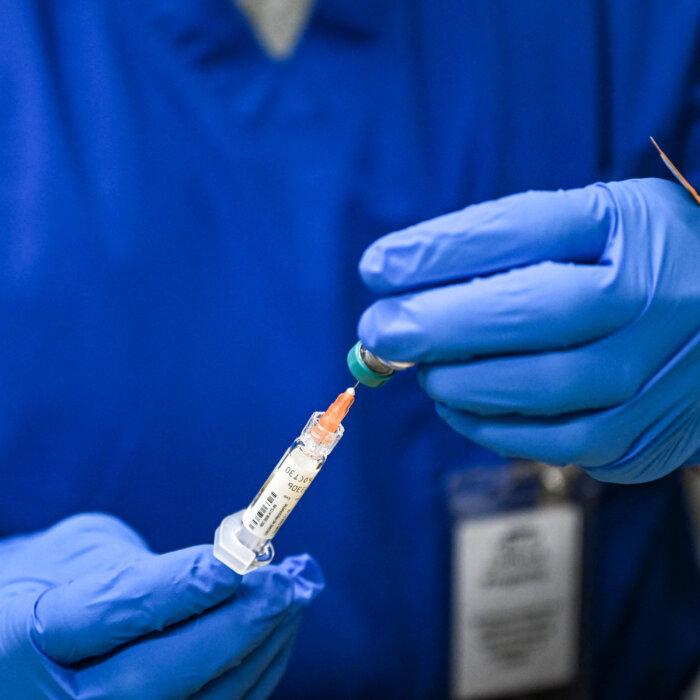
Kennedy and the CDC say the measles vaccine prevents measles. The CDC’s vaccine schedule recommends one dose at around 1 year of age and a second dose when a child is 4, 5, or 6 years old.
“If you take that vaccine, you’re unlikely to get measles,” Kennedy said during a town hall in 2025.
Kennedy has also noted the vaccine, like all shots, can cause side effects.
“The CDC continues to recommend measles vaccination as the most effective way to prevent the disease,” a spokesperson for the Department of Health and Human Services, the CDC’s parent agency, told The Epoch Times via email previously. “At the same time, we recognize that some individuals and communities across the U.S. may choose not to vaccinate. Our commitment is to support all families—regardless of their vaccination status—in reducing the risk of hospitalization, serious complications, and death from measles.”