
During a lifetime, there are a handful of moments when the structure and function of the brain change significantly, according to a new study.
That leaves five “major epochs.” The first is from birth to around age 9. During that phase, the most active connections between neurons, known as synapses, are kept while others are discarded, the researchers found. This phase also features the rapid expansion of gray and white matter, which assist in information processing and help the brain’s nerve signals transmit, and an overall increase in cognitive capacity.
In the next phase, complex changes include the continued increase of white matter, the refinement of the brain’s communications, and an overall increase in efficiency.
“While puberty offers a clear start, the end of adolescence is much harder to pin down scientifically. Based purely on neural architecture, we found that adolescent-like changes in brain structure end around the early thirties,” she said.

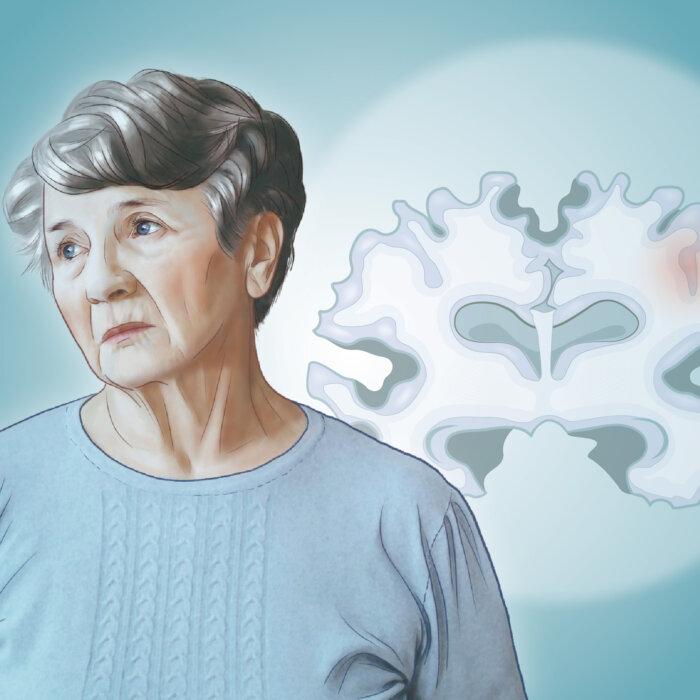
In the third epoch, which starts around the age of 32, the brain starts to become less efficient and more segregated, according to the study. The maturation of white matter slows, and the brain’s network stabilizes.
Around the ages of 66 to 83, changes such as rapid decreases in the integrity of white matter show how the brain architecture is aging, a process that continues after people turn 83.
The findings came from 4,216 magnetic resonance images spanning the ages of zero to 90. The images came from datasets from the University of North Carolina–Chapel Hill, the University of Minnesota, and the University of Cambridge’s MRC Cognition and Brain Sciences Unit.
“We know the brain’s wiring is crucial to our development, but we lack a big picture of how it changes across our lives and why,” Mousley said. “These eras provide important context for what our brains might be best at, or more vulnerable to, at different stages of our lives. It could help us understand why some brains develop differently at key points in life, whether it be learning difficulties in childhood, or dementia in our later years.”
Limitations included a lack of sex stratification and a small number of images from people aged 83 and above.
Funding came in part from the Gates Cambridge Foundation and the UK Medical Research Council. The only competing interest listed was one author being a co-founder of the company Centile Bioscience.