Reduce Leg Swelling With a Single Serving of Proanthocyanidins From Grape Seeds
Researchers have long puzzled over the “French paradox” – the fact that people in France enjoy a 50 percent reduced risk of heart disease when compared to Americans. (And this, despite eating a fatty diet and having generally higher cholesterol and blood pressure!)Many believe that the secret lies in the French tradition of regularly consuming red wine, which is made from grapes rich in healthful polyphenols (such as resveratrol and quercetin). And, the most potent polyphenols of all are the proanthocyanidins, which make up about 90 percent of the content of grape seeds. Of course, traditionally speaking, Europeans tend to eat higher quality food (less processed) and in smaller quantities … which is quite healthy for you.
Back to our point for today: research has shown that these powerful antioxidants can improve blood flow, reduce swelling and prevent blood clots – particularly after long periods of sitting. (Just what the doctor ordered for those in sedentary occupations!)
Grape Seed Extract Discourages Blood Clots Through Multiple Mechanisms
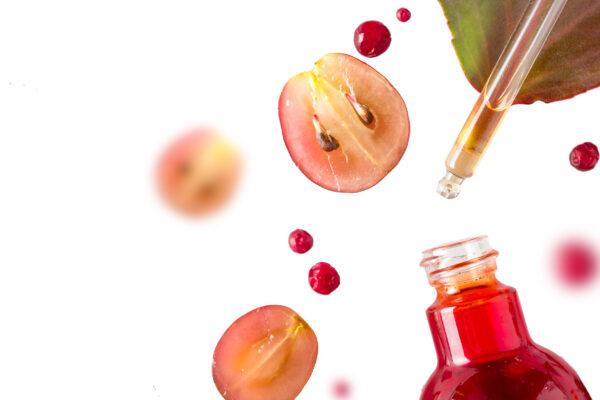
In an animal study published in the Journal of Vascular Surgery, researchers found that grape seed extract reduced the size of blood clots while protecting the endothelium, the all-important lining of the veins and arteries. It also markedly lowered levels of inflammatory cytokines, reduced the number of adhesion molecules, and discouraged blood clots by reducing the “stickiness” of platelets.Calling grape seed extract a “promising candidate” for treating deep vein thrombosis, the impressed researchers went a step further and stated that “prompt administration of grape seed proanthocyanidin extract is instrumental to thrombus (blood clot) clearance.”
IRA_EVVA/Shutterstock
The News Gets Even Better: Proanthocyanidins in Grape Seeds Lower the Risk of Heart Disease, Heart Attacks, and Strokes
While blood clots in veins can cause pulmonary embolism, blood clots that form in arteries are equally dangerous – and can cause a life-threatening heart attack or stroke.Fortunately, proanthocyanidins in grape seeds benefit cardiovascular health as well. In addition to helping reduce the ability of blood to form clots, they have been shown to lower blood pressure, reduce triglycerides in the blood and fight the systemic inflammation that can trigger heart disease. Proanthocyanidins can also prevent the harmful oxidation of fats. In one Italian study, 300 mg of a grape seed product, consumed with a meal, significantly reduced the oxidation of LDL cholesterol.
Incidentally, an extract from French maritime pine bark – sometimes coupled with an herb known as Gotu kola (Centella asiatica) – is making researchers sit up and take notice of its remarkable ability to act against artery-clogging atherosclerosis.
What is the “secret weapon” of French maritime pine bark? Researchers say it’s the high content of – you guessed it – proanthocyanidins.
Slow the Development of Alzheimer’s Disease and Dementia
Grape seed extract prevents memory loss, improves cognitive abilities, and even reduces specific proteins associated with Alzheimer’s disease and other neurodegenerative conditions.With advancing age, harmful beta-amyloid proteins accumulate in the brain, impairing the ability to make new cells. Studies have shown that grape seed extracts can not only prevent, but reverse this phenomenon. In an animal study conducted at the University of Alabama, scientists found that grape seed extract normalized over a dozen different brain proteins, restoring them back to youthful levels.
While more studies are needed, this research offers an exciting glimpse of the potential of grape seed extract to improve cognitive function and delay the onset of Alzheimer’s disease.
And, there’s more.
Grape seed extract also has protective, anti-aging effects on the skin, and helps to maintain strong bones and teeth. As if this weren’t beneficial enough, grape seed extract stabilizes blood sugar and acts against obesity by helping to metabolize fat and reduces appetite.
Natural health experts generally recommend grape seed extract amounts of 300 to 800 mg a day for eight to 16 weeks. However, don’t use grape seed extract to treat deep vein thrombosis – or any other condition – without first consulting your integrative doctor.
While the name is complex, the effects of the proanthocyanidins in grape seeds are straightforward and simple. These beneficial antioxidants can promote healthy circulation while reducing vulnerability to blood clots – a very substantial health benefit indeed.