A clinical trial suggests that black cumin seeds, commonly used to flavor Indian dishes such as curry and paneer, may also help improve blood lipid and cholesterol levels, combat obesity, and support heart health.
Overweight participants who ate just one tablespoon of black cumin for eight weeks saw improvements in key blood biomarkers.
Ancient Spice, Modern Research
“Black cumin seeds have been used for more than 3,000 years by the Egyptians, Romans, and Greeks,” said Stephanie Schiff—a registered dietitian nutritionist at Huntington Hospital, part of Northwell Health in New York state—who was not involved in the study, told The Epoch Times.Researchers conducted both cellular experiments and human trials to explore the health benefits of Nigella sativa, also known as black caraway or black cumin.
Participants who took 5 grams of black cumin seed powder daily—about one tablespoon—for eight weeks experienced reductions in triglycerides; low-density lipoprotein cholesterol, also known as “bad” cholesterol; and total cholesterol. Meanwhile, levels of high-density lipoprotein cholesterol, or “good” cholesterol, increased.

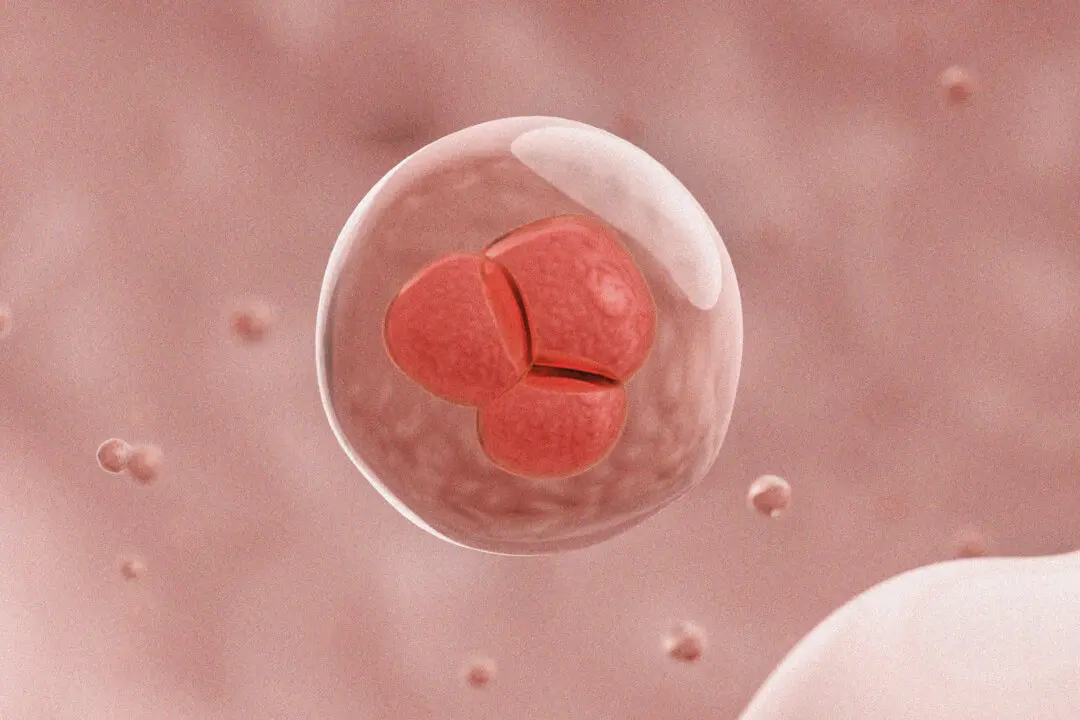
In cell culture experiments, researchers found that black cumin seed extract blocked adipogenesis, the formation and maturation of new fat cells in the body, suggesting that the spice may help prevent obesity. However, the researchers did not measure whether participants lost weight during the study.
Inflammation promotes atherosclerosis and affects lipid and cholesterol metabolism, leading to higher low-density lipoprotein cholesterol levels and increased blood triglycerides.
She said she hopes to conduct longer-term and larger-scale trials investigating the spice’s effects on insulin resistance and inflammatory markers.
Interacts With Certain Medications
Certain populations should be cautious about adding black cumin to their diets, Michelle Routhenstein, a cardiology dietitian and owner of Entirely Nourished, who was not involved in the study, told The Epoch Times.These include pregnant or breastfeeding women, people with bleeding disorders, those taking blood pressure or blood sugar medications, and anyone scheduled for surgery.
The findings are still preliminary and should be taken with caution, she said.
Not a Magic Bullet
It’s important to look at the bigger picture when it comes to health and wellness, according to Schiff, who stressed that people should temper their expectations.“Black cumin seed by itself is not likely to produce substantial changes in weight or health,” she said. “It’s not a magic bullet.”
She said black cumin, like many functional herbs and spices, works best when combined with other healthy foods, stress reduction, good sleep habits, and regular physical movement.