Parents who delay their babies’ first vaccines are more likely not to have their children vaccinated against measles within two years, according to a new study.
Truveta is a company that collects electronic health records from dozens of health care institutions in the United States.
The company’s researchers analyzed when children from 2018 to 2024 received their first dose of the MMR shot. The data came from 321,743 children who were taken to a Truveta member system for routine check-ups within their first two months of age, from three to 11 months of age, around one year of age, and around their second birthday.
Most children—252,250 children, or 78.4 percent—received an MMR shot when recommended. Another 14 percent received it late, and 1 percent received it early.
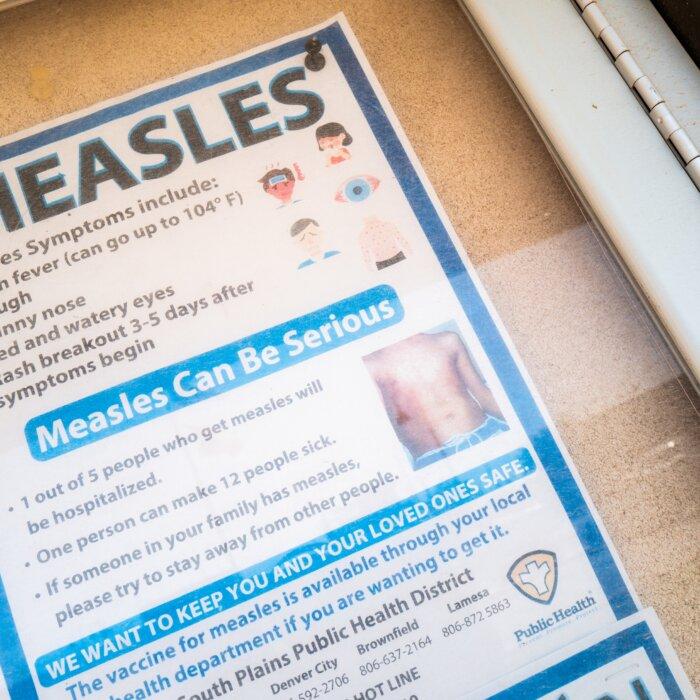
The rest—21,669 children, or 6.7 percent—had not received an MMR dose by two years of age, the researchers found. That was an increase from 5.3 percent in 2020.
The researchers also looked at which children received vaccines recommended by the CDC in early months of life on time, and discovered that while most children—about 84 percent—received those when recommended, some received them early, late, or not at all. The latter percentage was the highest in 2024 for all but one of the vaccines, including the first dose of the polio vaccine, in the time period studied.
Not receiving vaccines recommended during visits around two and four months of age was the strongest factor linked with not receiving an MMR dose by age 2, the researchers said.
Federal officials have said the MMR is effective, although they have noted it can cause side effects and that some communities may choose not to to receive the vaccine.
Truveta researchers primarily listed their employment under the conflicts of interest section of their paper. One said he has since moved on to working for Eli Lilly, a vaccine manufacturer that does not currently make a measles shot.
Truveta funded the study.