Six surgeons at a Mayo Clinic in Arizona successfully transplanted the larynx of Marty Kedian, a 59-year-old Massachusetts man with chondrosarcoma, a rare form of laryngeal cancer.
Restoring Quality of Life
Mr. Kedian was diagnosed with cancer in 2013 after he began having trouble swallowing food. Doctors told him his condition required surgery. He had multiple surgeries during the ensuing decade, as part of his larynx was removed, and his voice became quiet and raspy. When he could no longer breathe on his own, a tracheostomy tube was surgically inserted into his neck.With a printing-business job requiring him to speak with people, Mr. Kedian was devastated by his declining quality of life. When he was told he needed an operation to remove his larynx, he refused.
“I didn’t want a laryngectomy,” he said. “I wanted a way to get my quality of life back.”
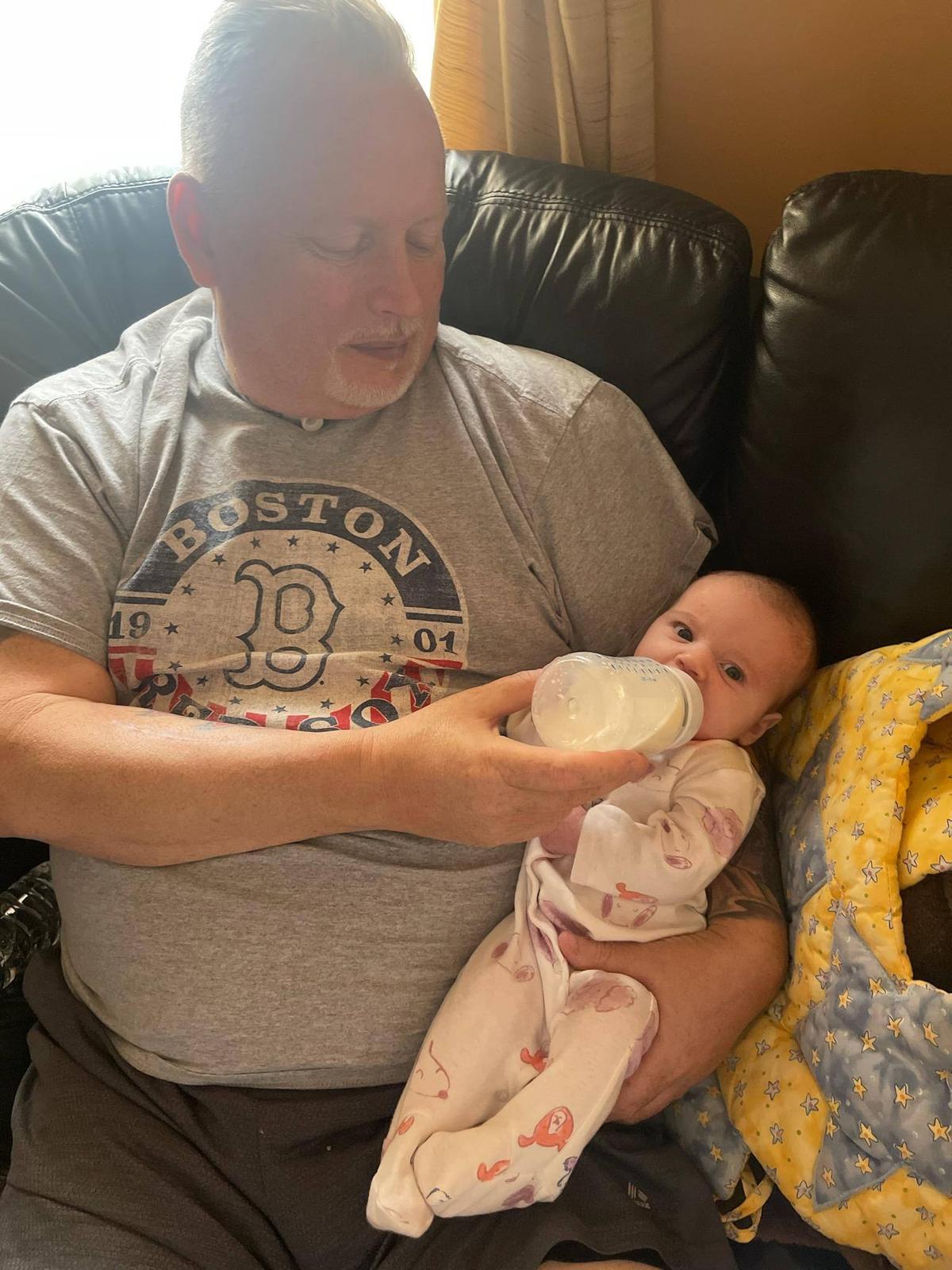
Mr. Kedian said part of what inspired him to refuse to lose his larynx was the birth of his first grandchild.
“I want to read her bedtime stories with my own voice,” he said.


Mr. Kedian’s wife, Gina, went online to find a better solution and located Dr. David Lott, an ear, nose, and throat surgeon practicing in Arizona. Dr. Lott, a specialist in laryngeal surgery, leads a team researching larynx restoration and transplantation.
“I felt strange, and I wouldn’t go out anywhere,” Mr. Kedian said.
The cause of his cancer was not revealed. In many cases, the cause is unknown.
Meeting with Dr. Lott gave Mr. Kedian hope.
“I set my path on becoming a laryngeal surgeon and researcher to build a program that is pushing the boundaries of science forward,” Dr. Lott said, as reported in the Mayo Clinic press release.
Mayo’s First Larynx Transplant
The Mayo Clinic Larynx and Trachea Transplant Program in Arizona was the first and only larynx program to be approved by the United Organ Sharing Network, according to another press release published in February 2023 announcing Mayo Clinic’s preparation for the transplant.“Because larynx transplant is so new, we don’t know very much about immunosuppressive needs,” Dr. Lott said, adding that his team hopes to understand whether there are ways to use new or traditional drugs that specifically tolerate a transplanted larynx. After a transplant, patients are prescribed medications that suppress the immune system to prevent rejection of the organs.
“All transplants are complex, but we have more tissue types and more moving parts with laryngeal transplantation than other transplants,” said Dr. Lott. “The larynx is a true kind of biomechanical organ. Not only is it living tissue, but it also has it [sic] joints, and the transplanted organ must be able to move.”
The American Cancer Society estimates there will be more than 12,000 new cases of larynx cancer in the United States in 2024. Dr. Lott said this surgery, conducted as part of a clinical trial, will eventually be available to more people.
60 Percent Voice Recovery
The clinical trial results were published July 9 in Mayo Clinic Proceedings.At the time of Mr. Kedian’s visit to the clinic, he was already on immune suppression medications due to a kidney transplant. He was dependent on the tracheostomy tube for breathing, with a drastically strained voice that limited his communication efforts and made swallowing difficult. The diagnosing physician recommended a total laryngectomy to remove the cancer altogether.
“Any other option would not have had the same chance at cure and would have likely worsened any remaining laryngeal function,” the authors wrote in Mayo Clinic Proceedings.
Four months after the surgeons performed the operation—which transplanted Mr. Kedian’s larynx, upper esophagus, upper trachea, thyroid gland, pharynx, and parathyroid glands—he can swallow unlimited liquids and solids, has a voice quality of about 60 percent, and is not reliant on his breathing tube.
Mr. Kedian has recovered remarkably well, Dr. Lott said. He can speak with a new voice—although it still sounds the same, including his Boston accent—and breathe and swallow on his own.
“The team at Mayo has given me my life back,“ Mr. Kedian said. “I have the deepest gratitude for Dr. Lott’s team and especially the generosity of my organ donor and donor family. I hope one day I get the chance to tell them, ‘Thank you.’”