Strep A Essentials
Also known as Group A Streptococcus or GAS, Strep A is a group of bacteria that causes various diseases, most commonly strep throat and impetigo. It is estimated that there are around a combined 700 million worldwide and half a million deaths. In general, a strep A infection comes with a few generalized symptoms, including a sore throat, a rough rash, scabs or sores, pain and swelling, muscle aches, and so on.
Let’s zoom in on some of them. Impetigo, also known as a school sore, is caused by Strep A and forms a yellow scab or crust as the sore heals. It tends to be quite itchy and gnarly looking, but will usually go away after a few days.
Strep throat, however, allows for a lot more variation. The most common symptoms include fever, a sore throat, red cheeks, white patches on swollen tonsils, and so on. Strep throat, despite having similar symptoms to the flu, is caused by bacteria instead of a virus. People who are elderly, have skin issues (such as blood deprivation or breakdown), or have chronic medical conditions such as diabetes are at increased risk. Each year in the United States, Strep A causes approximately 5.2 million cases of strep throat, 14,000 to 25,000 invasive infections, and 1,500 to 2,300 deaths, according to the U.S. Centers for Disease Control and Prevention (CDC).
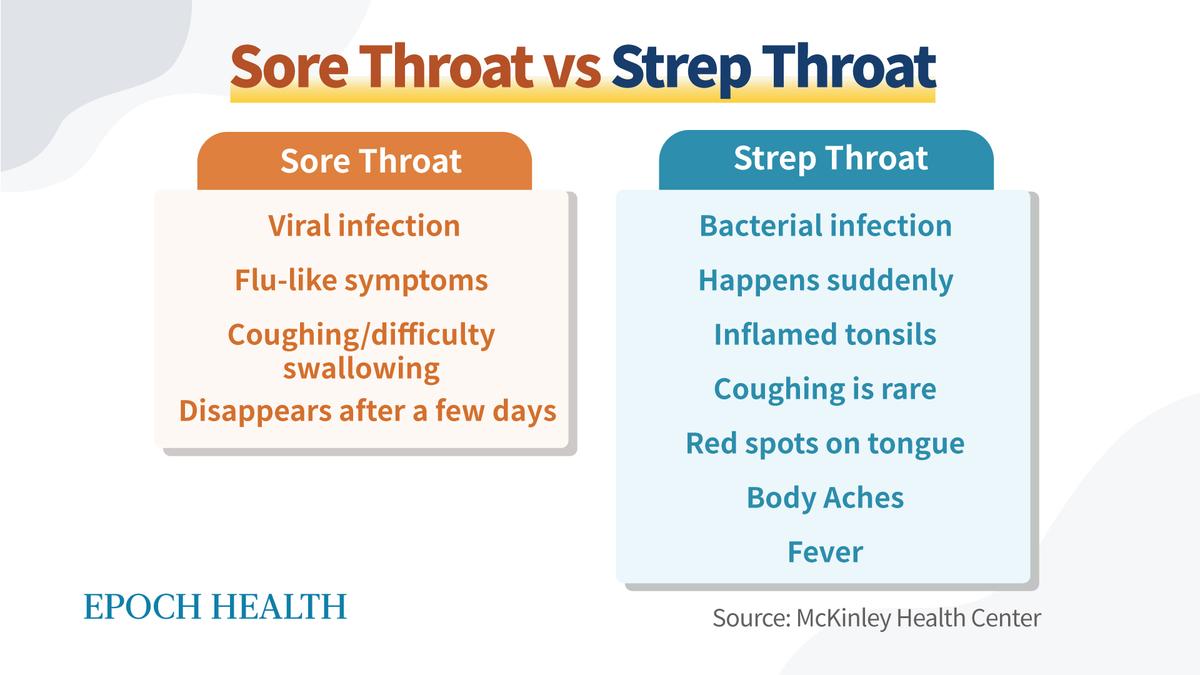
Strep throat can develop into a severe type of illness called scarlet fever. Scarlet fever, also known as scarlatina, is due to the unhealthy progression of a strep throat infection. It is most common in children 5 to 15 years of age and causes a vivid rash across the patient’s entire body—hence the name, “scarlet fever.” It commonly causes a high fever, strawberry red tongue, and muscle aches in addition to the swollen lymph nodes and difficulty swallowing that come with strep throat.
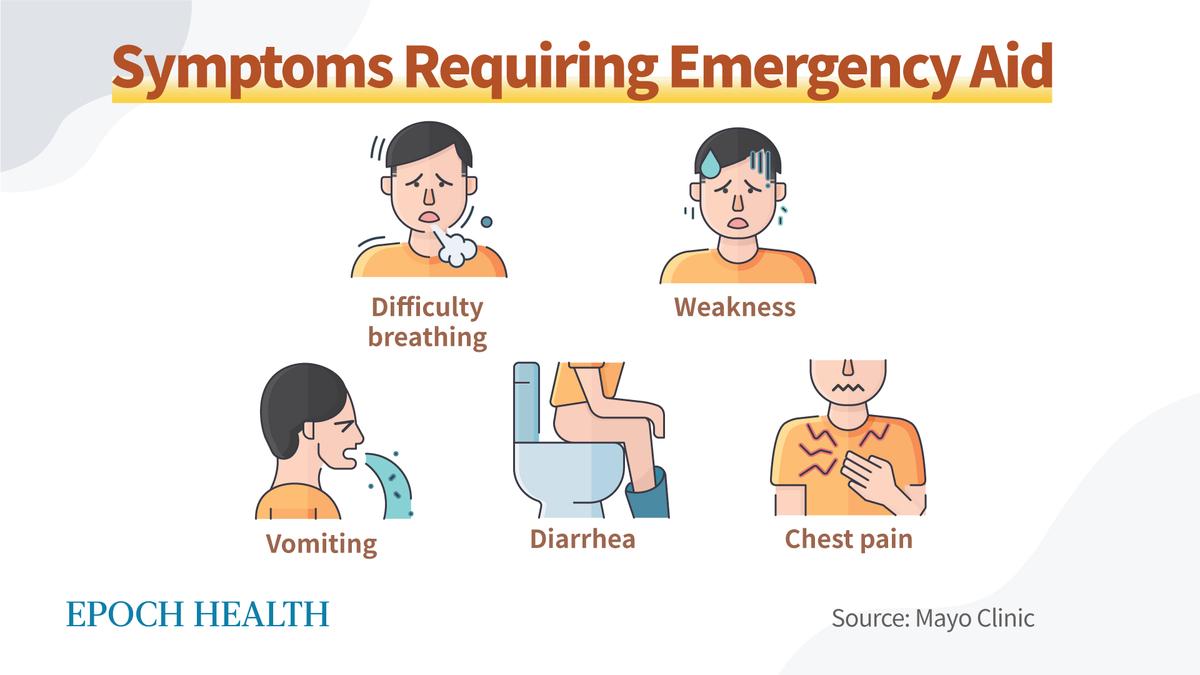
In general, all Strep A-induced diseases are treated with antibiotics, yet there are some symptoms you should watch out for in scarlet fever that require immediate medical attention. These include difficulty breathing, vomiting, diarrhea, weakness, or chest pains. It is commonly better to seek medical attention sooner than later as the progression of the disease is difficult to predict.
This is, unfortunately, not the end of the story when it comes to Strep A. These gram-negative bacteria are also known for causing Streptococcal toxic shock syndrome—which results in low blood pressure and multiple organ failure—and necrotizing fasciitis as well, also known as flesh-eating bacteria. Early symptoms of flesh-eating bacteria include a red, warm, or swollen area of the skin that spreads quickly, as well as severe pain. It often includes a fever during the early stages. Later on, the skin may change color as pus, ulcers, blisters, or black spots begin to emerge on the infected area.
Invasive Strep A on the Rise During an Antibiotic Shortage
Strep A is on the rise on an international scale, affecting children under 10 the most. Invasive forms of Strep A are a serious issue to reckon with. Invasive Strep A is when the pathogen has reached parts of the body where bacteria are usually not found, such as the blood, deep muscle and fat tissue, or the lungs. For instance, Strep A may infect an open wound and exploit the openings in the skin to literally churn through the flesh and cause severe damage in a short period.In the past, doctors usually used erythromycin and azithromycin to treat strep throat, particularly in those allergic to penicillin. However, the rising resistance to erythromycin and other macrolides, as well as to clindamycin, has changed the landscape of antibiotics.
Supply Chain Disruptions Reveal Gaps in Our Health Care System
“This country really needs to put more attention on securing health care needs for our citizens,” one pharmacist surveyed said. “Without the ability to acquire even the most basic of medications, how can patients have security in knowing we can help them with more complicated issues?”If the Chinese communist regime is the primary adversary of the United States in terms of national security, isn’t it a devastating existential threat that we rely so heavily on it for our basic medicine supply? Dr. Rosemary Gibson wrote a wonderful book, “China RX: Exposing the Risks of America’s Dependence on China for Medicine.” It is definitely a must-read for people in the field of national security.