1. What Is “White Lung” and What Are the Symptoms?
“White lung” refers to a manifestation seen on chest X-rays and CT scans in cases of severe pneumonia. For a healthy person, in a chest X-ray or CT scan, the lungs appear black because they contain air. But when the lungs are severely infected or acutely injured, the tiny air sacs (alveoli) and capillaries in the lungs are damaged, and blood and fluid leak into the spaces between the air sacs and eventually into the air sacs, causing the alveoli to collapse. This is when patchy white shadows appear on the image; the lungs appear white, hence the term white lung.2. Is White Lung Unique to the COVID-19 Virus?
Any condition or disease that causes acute damage to the lungs, including bacterial infection, seizure, aspiration pneumonia, mycoplasma pneumonia, and chest trauma (lung contusion), may cause white lung.3. How Do You Know If You Have White Lung?
The most important thing is to check whether there is shortness of breath and whether the blood oxygen level is normal. If it is lower than 93 percent, you should suspect that you have pneumonia. You may go to the hospital for a further examination.4. Who Is Susceptible to White Lung?
According to clinical reports, the elderly are highest on the list, followed by patients with underlying diseases, such as diabetes, hypertension, coronary heart disease, chronic obstructive pulmonary disease, asthma, kidney transplantation, liver transplantation, or autoimmune diseases.5. How Can Individuals Avoid White Lung?
People in high-risk groups, especially those with underlying diseases, should prioritize prevention and control.Proper nutrition and hydration can help patients avoid complications of COVID-19.
6. Is the Lung Damage Caused by COVID-19 Reversible?
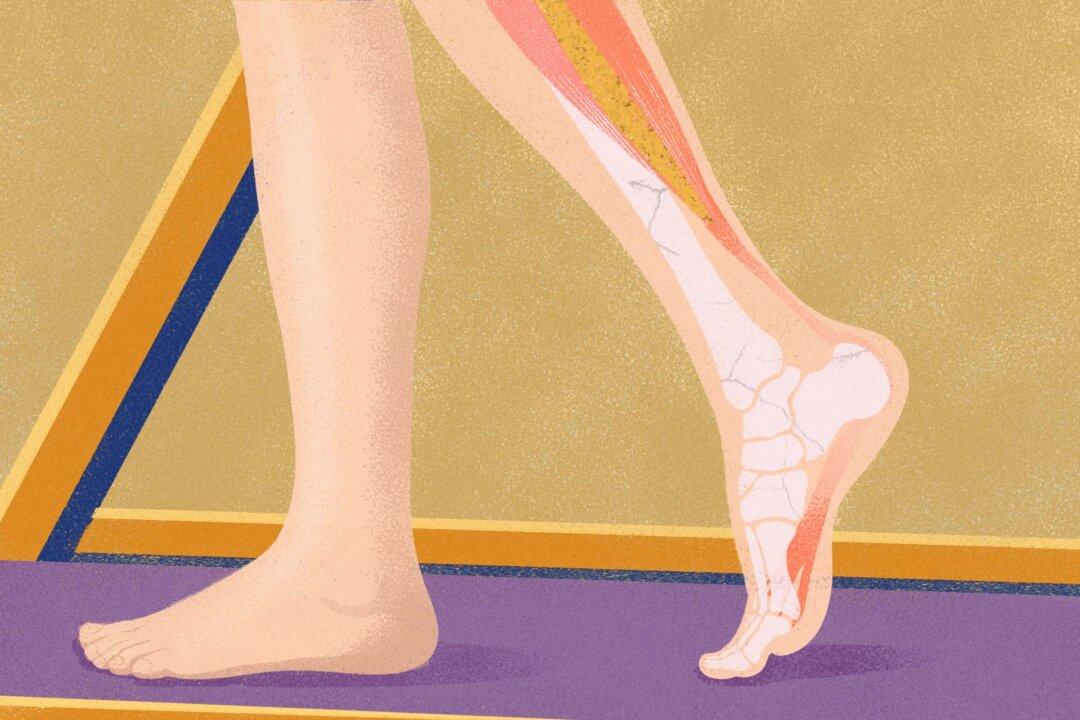
After contracting the virus, the lung function of most patients can be restored. It takes time for the tissue to heal after lung damage and scarring. It can take three months to a year or even longer to fully recover to the pre-COVID level.The healing of the lungs itself creates symptoms analogous to a broken leg that requires a cast for several months. No one would think it possible to run as soon as the bone heals. There is always the experience of some discomfort from this healing process as the leg gains strength and the muscles re-grow. This is precisely what our lungs will go through after damage.
Cold weather in winter can lead to a high incidence of all sorts of pneumonia. Even in the absence of the COVID-19 virus, the elderly with underlying diseases are always prone to pneumonia. Pay more attention to monitoring your respiratory rate. If you experience chest tightness, shortness of breath, and persistent fever, and when the blood oxygen level falls below 93 percent, you should go to the hospital for immediate treatment.