
For most of my life, I’ve been easily bored. My feeling of boredom escalated in high school and became progressively worse throughout college and into the early years of my professional career.
I was able to get away with being bored for a long time because I had a good head on my shoulders, allowing me to get by with minimal effort, and I would constantly chase novelty and take on the persona of a fun-loving, adventurous guy.
The problem with living like that is there’s never enough excitement to keep an easily bored person from growing more bored. Eventually, chores have to be done and responsibilities managed—then the dread sets in.
The more prone to boredom you are, the more you come to hate doing “ordinary” things. You come to despise anything that bores you and spend all your energy looking for that next hit of dopamine, avoiding the boring things you don’t want to do.
While I have not completely rid my life of boredom, I have made good progress against the kind of chronic boredom that completely saps motivation. The battles I fight today are mostly because I sometimes forget to “take my medicine.”
A 2-Part Antidote to Boredom
The cure for boredom is to stop chasing thrills and convenience and start doing challenging activities that bring lasting pleasures.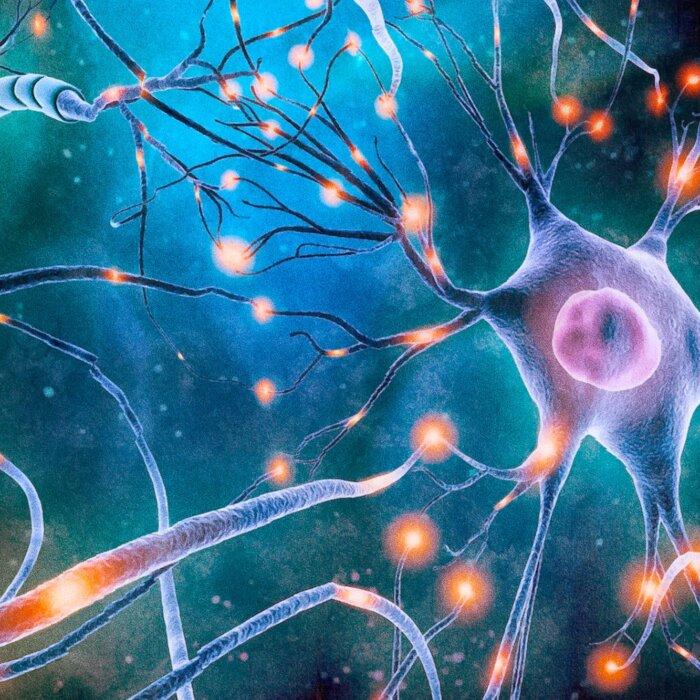

1. Break Dependence on Easy Dopamine Hits for Happiness
Stop chasing the thrills and conveniences that make modern life so alluring—but also so addicting. Quick hits of dopamine, the chemical messenger in your brain connected to pleasure and anticipation, are the equivalent of junk food and desserts in a diet. In small doses, they add a bit of variety to life and give you an instant pick-me-up. But the more you eat them, the more your body craves them, and then pretty soon you “require” a certain amount just to be happy.If you’re easily bored, it’s tempting to reach for your phone or a snack or any distraction that’s readily available. And there’s no doubt about it—this will momentarily solve the boredom problem and make you feel good. The problem is, you’re rewiring your brain to expect these comforts every time you feel bored, and next thing you know, nothing seems interesting anymore because nothing can compete with cheap, quick hits of distraction. These temporary solutions scratch the itch, and that’s what your brain remembers.
2. Find Alternative Sources of Pleasure
What I’m going to share next may sound counterintuitive, but trust me. The long-term cure for boredom is to engage in activities that challenge you—things that only release pleasure after a certain amount of effort.Those times when you feel bored and would typically reach for your phone—catch yourself and choose something more challenging to do. It may feel unnatural at first, but if you stick with it long enough, you’ll have changed the circuitry in your brain to not expect instant results. The “pain” of doing something hard, like a cold shower, a sweaty workout, or sustained book reading, will become the activity your mind craves because it knows how good you’ll feel afterward.
Together, these two practical changes—breaking your dependence on cheap thrills and doing hard things instead—will turn down the temperature of your brain, so to speak. You won’t be running so “hot” that you always need to be doing something stimulating as an outlet. Ordinary pleasures and joys, along with the satisfaction of being in the arena of life, will be all you need to feel good, and you’ll be less tempted to reach for quick fixes, which often end up not fixing anything at all.
The real trick is to remember that the first few days or even weeks of this protocol can be challenging. Your brain will still be expecting its “junk food” diet, but you’ll be feeding it steaks. Your taste for steaks will not have developed quite yet, and you’ll be tempted to think it’s not working. Just give it time. You’ll adjust, and soon your boredom baseline will be set at a much more reasonable level.