A new review of studies on sugar-added foods shows that people who take in 10-25 percent of their calories from sugared beverages and foods suffer a 30 percent higher risk for heart attacks, compared with people who take less than ten percent of calories from added sugars. The review also found that:
• higher added-sugar intake was associated with increases in systolic and diastolic blood pressure of 6.9 and 5.6 mm Hg.
• the more sugared foods you eat, the higher your bad LDL cholesterol.
• sugars occurring naturally in foods, such as fruit, did not appear to increase risk for high blood pressure or heart attacks.
Another review of twelve scientifically-dependable studies involving 409,707 participants showed that sugar-sweetened beverages are associated with increased risk for high blood pressure, a major risk factor for diabetes and heart attacks.
What is High Blood Pressure?
You have high blood pressure if your systolic blood pressure is greater than 120 before you go to bed at night and just after you wake in the morning. That is when your blood pressure is at its lowest level. You may also have high blood pressure if your systolic pressure is greater than 140 after resting for 5 to 10 minutes during the day.
What Causes High Blood Pressure?
More than 90 percent of North Americans will develop high blood pressure. Kidney damage or an overactive adrenal gland can cause high blood pressure, but these causes occur so rarely that most doctors do not even order a renin level to look for kidney damage, or an aldosterone level to look for adrenal problems.
Many doctors believe that a high-salt diet is a major cause of high blood pressure, but low-salt diets reduce systolic blood pressure by less than 5 mm Hg in most adults with hypertension, and the average reduction in diastolic blood pressure associated with a low-salt diet among adults with high blood pressure is 2.5 mm Hg. Low-salt diets are associated with increased risk for death in people who also have diabetes.
The people who are most likely to get high blood pressure from taking in too much salt are those whose cells are insulin resistant. Their cells do not respond well to insulin, so the pancreas keeps on releasing large amounts of insulin to try to lower high blood sugar levels. High levels of insulin constrict arteries to cause high blood pressure. People with high insulin levels are the ones who get high blood pressure when they take in too much salt. For them, a high salt intake increases blood pressure, insulin and blood sugar.

How Sugar-Added Foods Can Cause High Blood Pressure
More than 80 percent of people who have high blood pressure also have insulin resistance, an inability to respond normally to insulin. This means that when they eat or drink sugar-added foods, their blood sugar levels rise, causing their insulin levels to rise which constricts arteries to cause high blood pressure.
How Can You Tell if You Are Insulin Resistant?
People who are insulin insensitive usually have what is called metabolic syndrome. You probably have metabolic syndrome if you have any three of the following:
• storing fat primarily in your belly
• having small hips
• being overweight
• having blood triglycerides (>150)
• having blood HDL cholesterol (<40)
• having high blood pressure
• having a fatty liver
• having a fasting blood sugar >100 (HbA1c> 5.7)
• having high insulin levels
Lifestyle Changes, Not Drugs, Can Cure High Blood Pressure
You cannot cure high blood pressure with drugs; you can only control it as long as you continue to take drugs. Most of the time, your blood pressure cannot be controlled with just one drug and most people end up with three or more drugs to treat their high blood pressure.

Lifestyle Changes to Lower Blood Pressure
• Restrict sugared drinks and sugar added to foods.
• Restrict refined carbohydrates. Whole grains are seeds with a fiber coating that forms a thick capsule which cannot be broken down efficiently in your intestines, so blood sugar and insulin levels barely rise after you eat them. However, when you grind whole grains into flour, you break the capsule so the starches can be absorbed quickly. Foods made from flour, such as bakery products or pasta, cause a high rise in blood sugar and insulin.
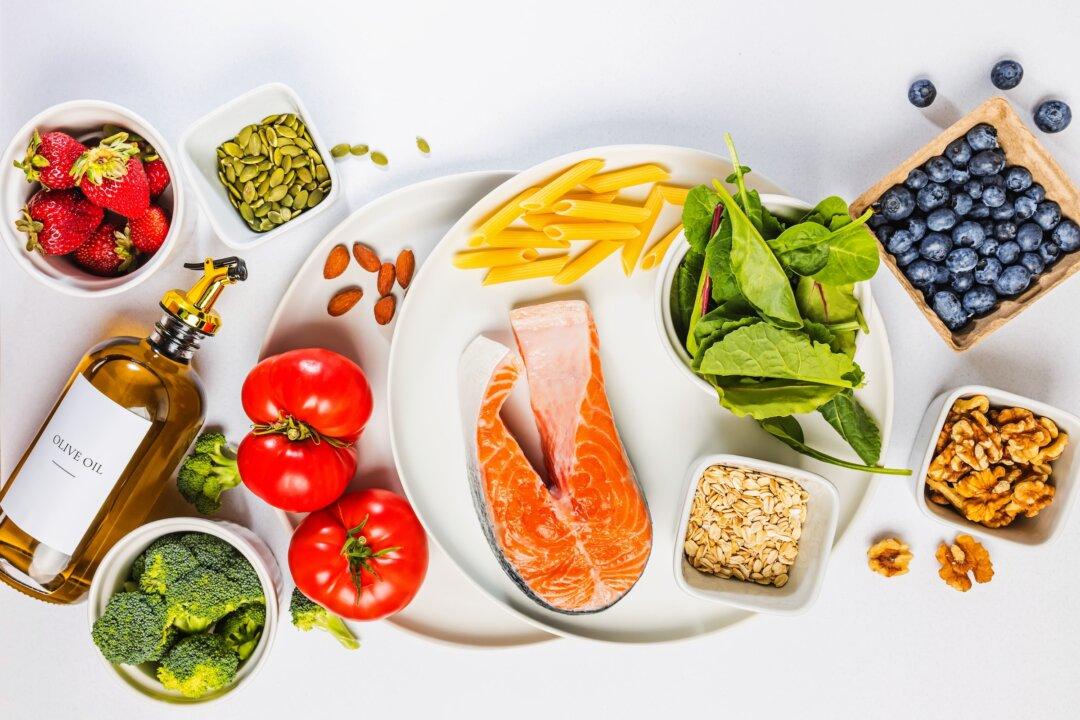
• Eat large amounts of fruits, vegetables and seeds. Unprocessed vegetables, whole grains, nuts, other seeds and most fruits contain complex carbohydrates and fats that are not released rapidly into the bloodstream. These nutrient-rich foods do not cause a high rise in blood sugar and insulin.
• Exercise. Resting muscles draw no sugar from the bloodstream. On the other hand, contracting muscles draw sugar rapidly from the bloodstream and don’t even need insulin to do so. The more intensely you exercise, the less insulin is needed by muscles to withdraw sugar from the blood and this effect lasts for up to 17 hours after you finish exercising.
• Avoid overweight. Your liver controls blood sugar levels. When blood sugar levels rise, insulin drives sugar from the bloodstream into the liver. However, the more fat you have stored in your liver the harder it is for sugar to enter liver cells in response to insulin. A fatty liver will raise blood sugar levels even higher by releasing stored sugar from its cells into the bloodstream.
• Avoid smoking. Smoking damages every cell in your body.
This article was originally published on www.drmirkin.com. Subscribe to their free weekly Fitness & Health newsletter.
*Image of “lollipop“ via Shutterstock