A Strong Start: How Supreme Spring Supports Healthy Blood Circulation

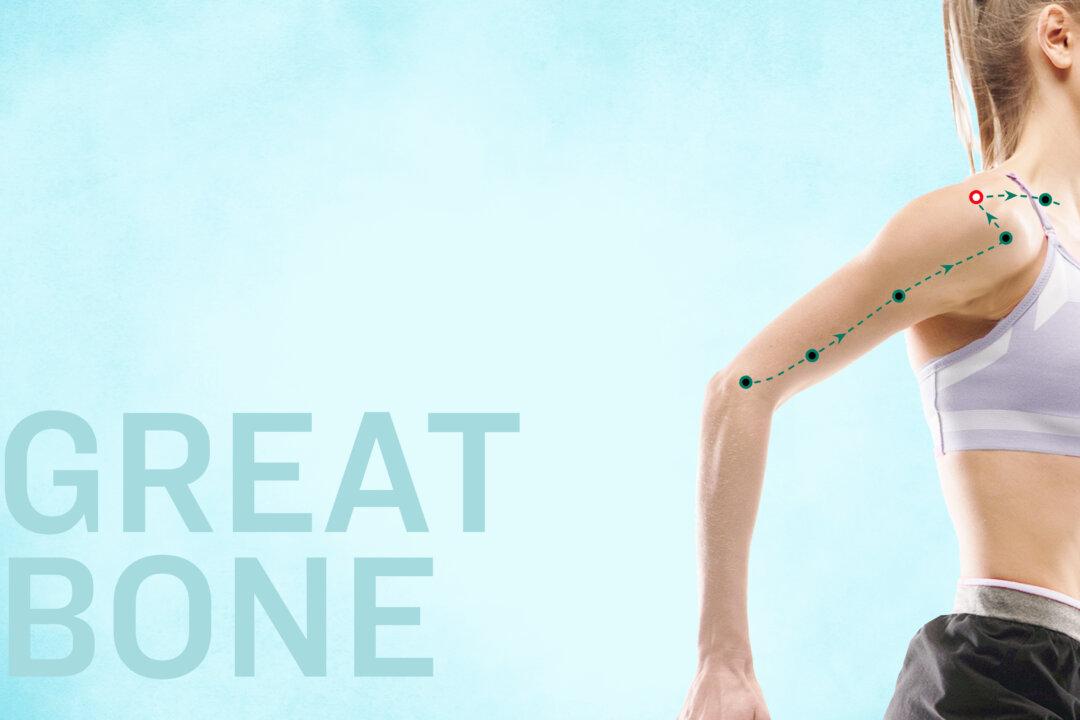
A key maintaining maintaining emotional balance, heart health, and eliminating underarm odor lies in the Ji Quan acupoint.
A Strong Start: How Supreme Spring Supports Healthy Blood Circulation
HT01 Ji Quan Supreme Spring.Epochtimes
Moreen Liao
Moreen Liao
R.Ph. of TCM (Taiwan)
|Updated:
checkCircleIconMedically reviewed byJingduan Yang, M.D.
0:00

Today marks an important milestone as we begin our exploration of the Heart Meridian. This energy pathway in the body is linked to the internal organ of the heart. In Western medicine, the heart is primarily associated with cardiovascular health. However, in traditional Chinese medicine (TCM), the Heart meridian also plays a crucial role in regulating emotions and maintaining emotional balance.

The first acupoint of the Heart Meridian is Ji Quan, also known as Supreme Spring (HT1). In TCM, this point is recognized for its benefits to heart health and for addressing a less commonly discussed issue—underarm odor. The combination of its physical and emotional benefits makes Ji Quan an acupoint worth exploring.
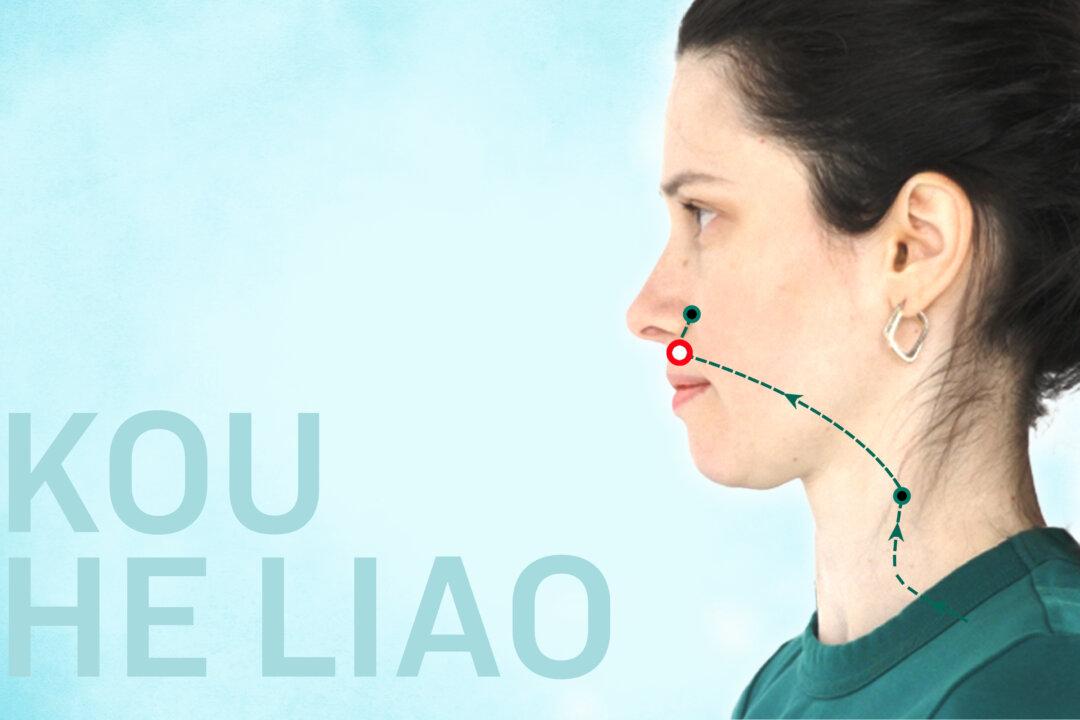
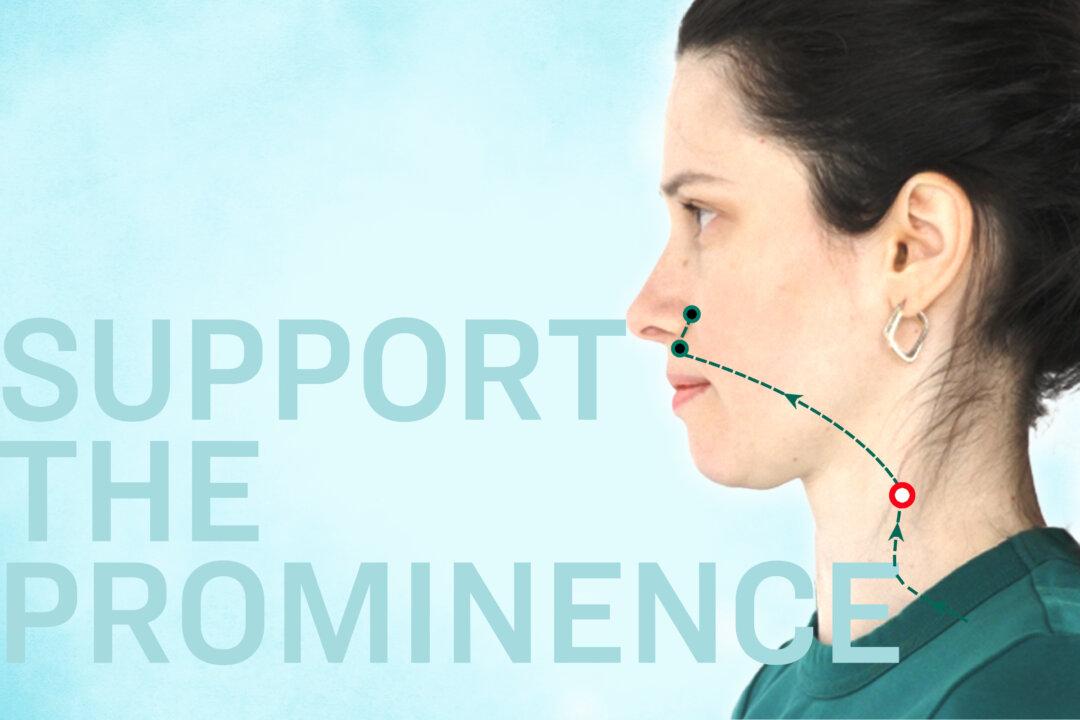
Ancient Classics to Modern Practice

Ji Quan is first mentioned in the “Zhen Jiu Jia Yi Jing (The A-B Classic of Acupuncture and Moxibustion),” a foundational text compiled in the 3rd century. In TCM, entry points are gateways that help balance excess yin or yang energy in a specific meridian (energy pathway) by transferring it to the related organ experiencing deficiency. This process aids the body in returning to its natural equilibrium.
Moreen Liao
Moreen Liao
R.Ph. of TCM (Taiwan)
Moreen was born into a family with a lineage of four generations of traditional Chinese medicine doctors and professors. She was Dean of the Natural Therapies Institute in Sydney, Australia. Drawing on her family heritage, she created a certified organic wellness brand, and co-founded the largest Chinese medical image encyclopedia online.