For millions of sleep apnea patients, the cure can feel as bad as the disease. The gold-standard therapy is continuous positive airway pressure (CPAP), which up to half of patients discontinue due to discomfort.
Now, a clinical trial suggests a nightly pill could offer an effective alternative.
In a six-month, placebo-controlled phase 3 trial involving 646 adults in North America—all of whom could not tolerate or had refused CPAP treatment—patients taking a nightly pill experienced 44 percent fewer breathing interruptions per hour, compared with an 18 percent reduction in those taking a placebo.
The drug, called AD109, is the first treatment designed to target the root causes of obstructive sleep apnea by supporting the throat muscles that keep the airway open during sleep.
How AD109 Works
Obstructive sleep apnea occurs when muscles in the back of the throat, which support the soft palate, uvula, tongue, tonsils, and throat walls, relax during sleep, causing the airway to narrow or close. The result is repeated breathing interruptions that can cause loud snoring and feeling tired even after a full night of sleep.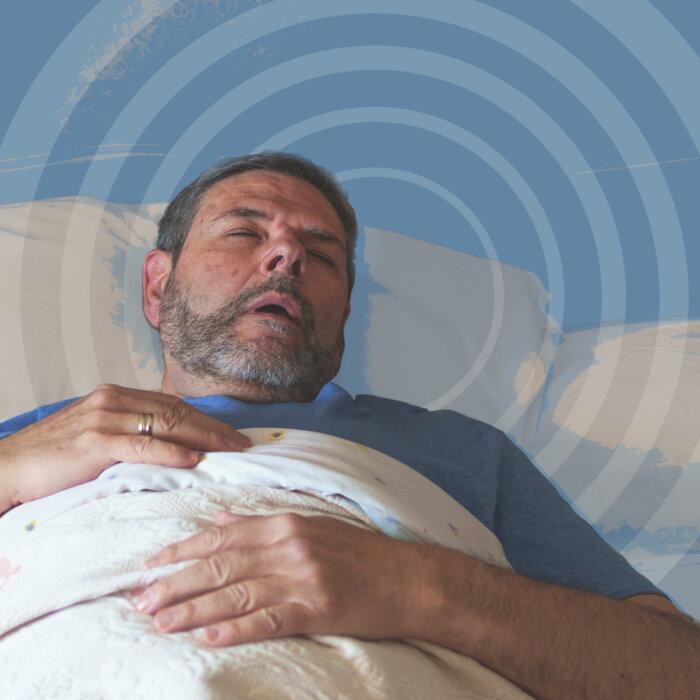
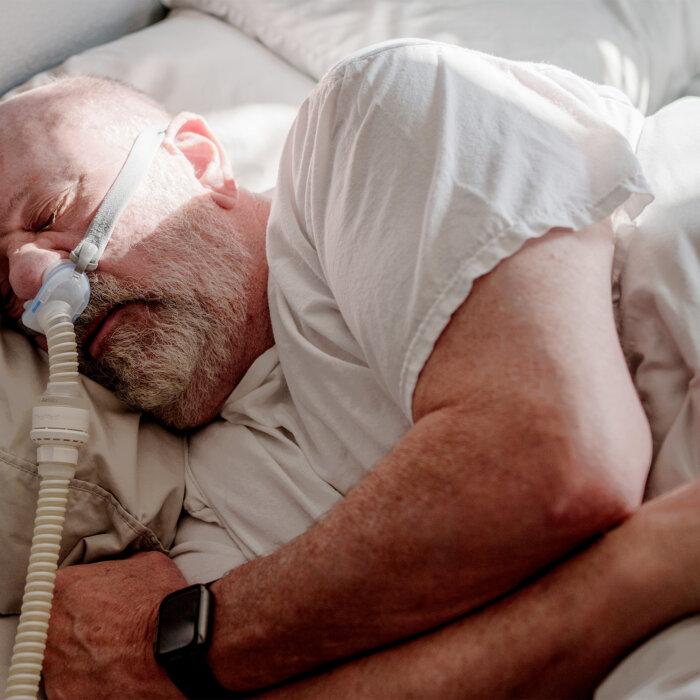
AD109 combines two medications: aroxybutynin and atomoxetine. These work together to increase the resting tone of the genioglossus, the primary tongue muscle, preventing the airway from sagging or closing during sleep.
Atomoxetine increases a brain chemical called norepinephrine, which sends stronger signals to muscles in the upper airway, such as the tongue and throat. This helps keep these muscles active during sleep, so they don’t relax completely and block your airway.
Aroxybutynin blocks certain receptors in the body that normally cause muscles to relax during sleep, especially in the deeper REM sleep stage. Blocking these receptors helps prevent the throat muscles from becoming too floppy, which can help keep the airway open.
More than 40 percent of participants experienced an overall improvement in sleep apnea severity, and 18 percent achieved complete disease control. Blood oxygen levels during sleep also improved in the treatment group, and the benefits held across different patient types regardless of sleep apnea severity or body size.
Side Effects and the Road to Approval
Approximately 21 percent of patients stopped treatment due to adverse effects, which included dry mouth, nausea, difficulty sleeping, and trouble urinating. Researchers characterized these as manageable.Atomoxetine taken singularly for attention-deficit/hyperactivity disorder has also been shown to cause side effects, including dry mouth, insomnia, and urinary difficulties.
AD109 has received special designation from the U.S. Food and Drug Administration for expedited review, and its manufacturer, Apnimed, has already submitted its application for approval.
Thirty to 50 percent of patients with sleep apnea stop using or cannot tolerate CPAP machines. The new drug fills a need for these patients.
“Patients stop using CPAP for reasons such as discomfort, inability to use the machine properly, lack of support, a feeling like the machine is not working to control their sleep apnea, and a lack of motivation to maintain their machine,” Chelsie Rohrscheib, a neuroscientist and head of sleep research at Wesper, a nationwide home sleep diagnostics company for sleep apnea, told The Epoch Times.
Untreated Sleep Apnea Carries Severe Risks
The urgency behind the search for alternatives to CPAP is underscored by the serious health consequences of untreated sleep apnea.Fundamentally, sleep apnea isn’t really a sleep problem, Dr. Alex Dimitriu, a double board-certified psychiatrist and sleep medicine expert and founder of Menlo Park Psychiatry & Sleep Medicine, told The Epoch Times.
“It’s a cardiovascular problem that happens at night.”
“Every apnea is a small adrenaline surge, blood pressure spikes, oxygen drops, the heart strains,” he said. “Stack that 30 or 60 times an hour for years and you get hypertension, atrial fibrillation, stroke, diabetes, depression, and cognitive decline.”
Therefore, effective treatment of obstructive sleep apnea would mean a significant reduction in associated health conditions.
“Assuming there are no significant side effects, a pill to address this problem would be a welcome addition,” Dimitriu said. “Of note, GLP-1 drugs have also been a significant contributor to treating sleep apnea in obese individuals, so we are making progress.”