The National School Lunch Program (NSLP) is a federally assisted meal program operating in public schools, nonprofit private schools, and residential child care institutions, while the School Breakfast Program (SBP) provides reimbursements to states that run nonprofit breakfast programs in schools.
The recall has been categorized under a “High-Class I” designation, which is issued when there is a reasonable probability that the consumption of the items could cause “serious, adverse health consequences or death,” according to the FSIS.
“Consumption of food contaminated with Lm can cause listeriosis, a serious infection that primarily affects older adults, persons with weakened immune systems, and pregnant women and their newborns. Less commonly, persons outside these risk groups are affected,” the agency said.
“Listeriosis can cause fever, muscle aches, headache, stiff neck, confusion, loss of balance, and convulsions, sometimes preceded by diarrhea or other gastrointestinal symptoms. An invasive infection spreads beyond the gastrointestinal tract.”
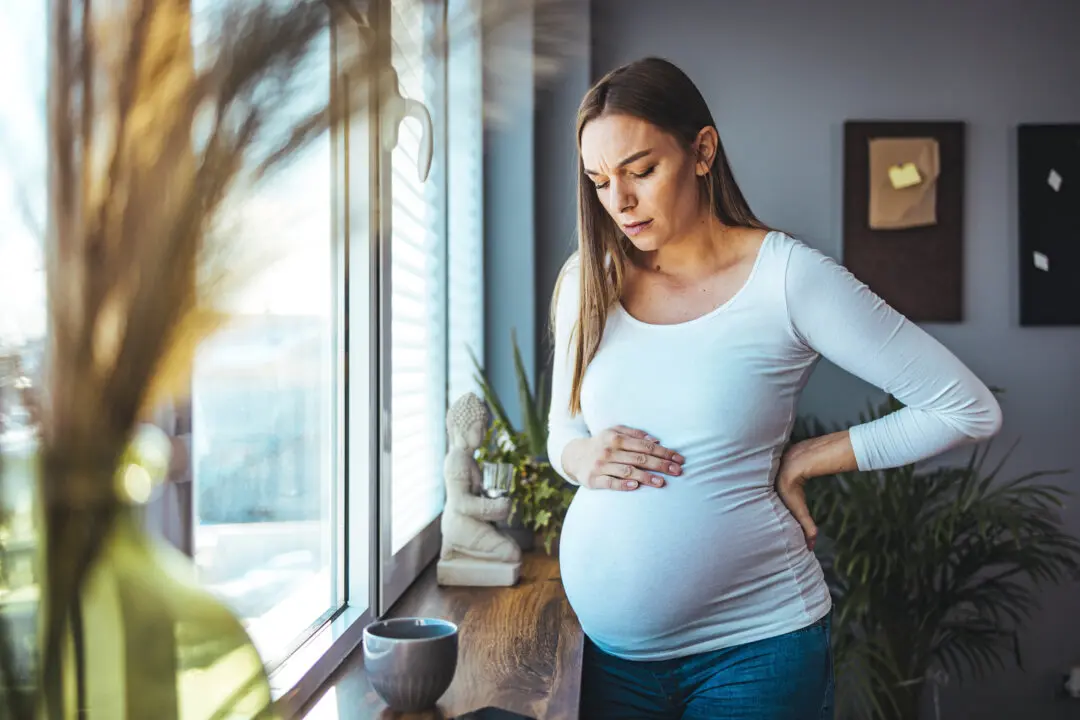
Among pregnant women, listeriosis can result in stillbirths, miscarriages, premature delivery, or fatal infections among the newborn.
The FSIS advised individuals in high-risk categories who experience flu-like symptoms within two months of consuming the recalled food items to contact their health care provider.
The agency clarified that there have been no reports of illness so far among individuals who have consumed the recalled products.
“FSIS is concerned that some products may be in institutional refrigerators or freezers. Institutions are urged not to serve these products. These products should be thrown away,” the agency said.
The listeria contamination was identified after a routine sampling conducted by M.C.I. Foods of ingredients sourced from external suppliers returned a positive result for listeria in the scrambled egg component. The company then notified FSIS about the issue, the agency added.
Listeria Recalls, Threats
Multiple other listeria-related recalls have been made over recent weeks.Earlier on Oct. 1, New York-based New Age International Inc. withdrew packaged enoki mushrooms for similar reasons.
Around 1,250 people get sick from listeria annually in the United States, according to the Centers for Disease Control and Prevention.
More than half of all listeria infections occur among elderly people aged 65 and above.
“As you get older, your immune system has a harder time recognizing and getting rid of harmful germs, including Listeria. You also have less stomach acid, which can help kill germs,” the agency said.
“Older adults with Listeria infection almost always have to be hospitalized. Sadly, 1 in 6 older adults with this infection die.”
“Fresh produce, dairy, and meat-poultry products were the primarily-associated food vehicles,” the study said.
“L. monocytogenes contamination primarily occurred in food processing facilities.
“While U.S. states with larger populations, more elderly residents, and higher birth rates had a greater total illnesses, states with smaller populations had relatively higher infection rates.”