



The most common–and dangerous–of these chemicals is probably PPDs (p-Phenylenediamine), which has been linked to bladder cancer, lung, kidney and nervous system disorders and severe allergic reactions. Other chemicals to watch for include the following:
Resorcinol
This receives a nasty 8 out of 10 for hazard at the Cosmetics Safety Database. It is classified by the European Union as harmful, irritant to eyes and skin and dangerous for the environment. It may also disrupt hormonal function, and lead to hypothyroidism.
Ammonia
Ammonia is irritant to the skin, eyes and respiratory system, and can cause asthma and breathing difficulties. However, it is much less toxic than PPD, and only receives a rating of 3 out of 10 for toxicity at the Cosmetics Safety Database.
Persulfates
Sodium, potassium and ammonium sulphates are present in hair dyes and bleaches, and are used in concentrations of up to 60%. However, concentrations of only 17.5% have been shown to irritate skin, and persulphates are also toxic when the fumes are inhaled, causing asthma and lung damage. However, the Cosmetic Ingredient Review Expert Panel has concluded that they are safe for occasional use, provided that the skin is rinsed well after.
Hydrogen Peroxide
Hydrogen peroxide is used in hair bleaches. It is corrosive, and has been banned from cosmetic use in Japan and restricted in Canada. Animal studies have shown it has toxic effects on the nervous system, respiratory and digestive systems at low doses. Other studies on animals have also shown that hydrogen peroxide can damage DNA, possibly leading to cancer.
Lead acetate
This is present in some hair colouring products used for gradual darkening, and is another potentially toxic chemical. Lead has well-known damaging effects on the brain and nervous system.
4-ABP
This ingredient has been linked to development of cancer.
Worried your brand may contain some of these? A good tip for those living in the Americas would be to buy European or Japanese brands: the EU and Japan have banned many toxic ingredients that are still permitted elsewhere.
Buyer Beware
Knowing that consumers have become savvy to the dangers of chemicals in hair dye, manufacturers have gone all-out in their attempts to greenwash their products. Don’t be fooled! Just because the name of a product may sound ‘green and clean’ doesn’t mean it is. Some of the worst offenders? L‘Oreal Natural Match (the ’natural' refers to your original hair colour, but could easily be misinterpreted); Garnier HerbaShine (yes, it contains bamboo and has no ammonia, but it DOES contain high levels hydrogen peroxide and chemical fragrance), and Clairol Natural Instincts (again, ammonia free, but packed with other harmful chemicals, including parabens and hydrogen peroxide).
However, it should be noted that permanent dark colours will always have some PPDs. In America, the legal maximum is 2%; brands that really try hard to be natural (such as those below) could contain as little as .06%.
It’s up to you to decide whether or not to use permanent dyes, but keep this in mind: pregnant women are strongly advised not to colour their hair, and the Environmental Working Group found that 69% of hair-dye products they tested for their Skin Deep database may pose cancer risks. A 1994 National Cancer Institute report states dark dyes used over long periods of time seem to increase the risk of cancers such as non-Hodgkin’s lymphoma and multiple myeloma. Despite all the potential dangers, in America, the FDA doesn’t regulate hair dye ingredients (synthetic or natural) at all–it really is a case of ‘buyer beware’.
But never fear–we’ve done the research for you, and selected 8 of the best natural hair dyes around.
1. Original & Mineral
A favourite with top models and celebrities, this American brand was one of the first to produce professional grade ammonia, resorcinol and PPD free permanent hair colour making it gentle on hair, scalp and hands. In fact, they call their formula CCT™–Clean Colour Technology. They claim this delivers clean, lustrous blondes, bright fashion shades and lasting, vibrant colours while completely covering grey.

2. Natulique Organic Colours
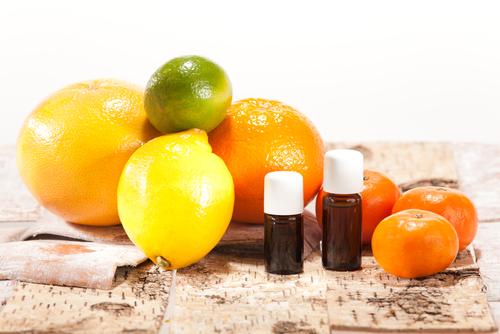
This pro-salon range of permanent hair colour includes a selection to satisfy your preference to either enhance your natural hair hue, or alter your ego with avant garde pastel hued locks. Promising 1oo% grey coverage, a blend of certified organic ingredients including natural sunflower seed extract and oils from jojoba, apricot and grapeseed activates the colour to fortify the hair for a healthy colour boost. This 95% natural brand also contains a cocktail of essential organic juicy citrus fruit oils from grapefruit and lemon.
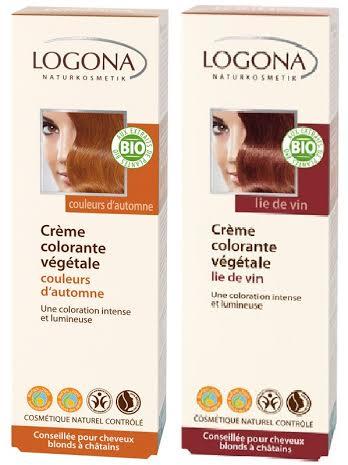
3. Logona Herbal Hair Color Crème
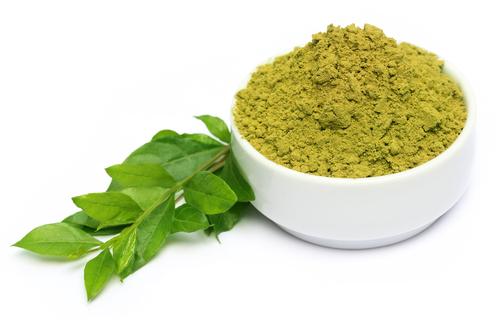
A range of semi-permanent hair dyes in both powder and cream formulas cover grey hair whilst nourishing the your locks with added volume. The innovative one-step hair colour in a tube process makes this feel like a relaxing spa ritual! This vegan-friendly dye contains organic henna from Sekem Farm (an Egyptian fair trade initiative), rhubarb root powder, jojoba seed oil, and fragrance from pure essential oils.
4. K pour Karité Natural Hair Colour
A laboratory merges salon expertise to create a concoction that adds volume and high-gloss shine. Available in both powder and cream formulas, this hair dye covers grey over two applications and adds subtle highlights for natural looking hues. Containing natural pigments derived from organic botanicals, including natural purifiers from mint, cider vinegar, and sage.
5. Sante Herbal Hair colours
Fancy rouge ends or an ombre gradient? In three easy steps, choose to either dye selected strands, sections, or simply coat the entire head with your selected hue. The crème formula is safe for ladies of any age – and who can resist a hue called Flame Red! Of course there are the staple options for brunettes and blondes, and Sante Herbal contains organic henna, walnut shells, and wheat protein for volumising high-gloss shine.
6. Herbatint
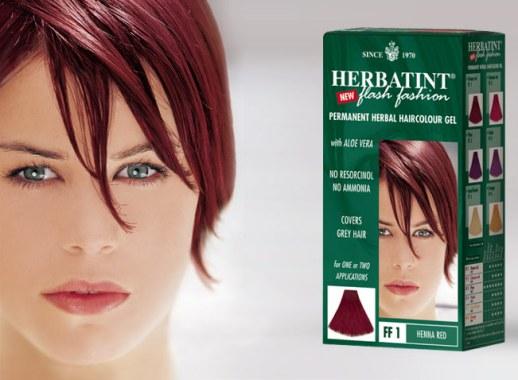
This British brand’s semi-permanent VEGETAL range of colours enhance your shine and natural colour whilst improving the condition of your hair. However, as this range contains no PPDs whatsoever, nor any peroxide, the effect on grey hair is a bit unpredictable. They do have a range of permanent dyes too, but claim they need to add low levels of PPDs to ensure grey coverage. You can read their safety statment here.
7. Root Vanish
Ok, so this isn’t a permanent hair dye–in fact, it’s just a temporary root dye, that washes out in one shampoo. But the results are fabulous–our Editor in Chief has tried this one herself and says it’s a perfect match for her chestnut brown hair, has no strong odour, and looks completely natural.
Great for men and women, the pump-stick style product was designed and colour-perfected by Beverly Hills celebrity colourist Kazumi. It contains no toxic ingredients whatsoever; doesn’t transfer off onto pillows or clothing; conditions and adds gloss to the hair; takes only seconds to use, and comes in 4 natural hair shades.
8. Tints of Nature
Tints of Nature is an effective range of hair colouring and treatment products including permanent and semi-permanent colours. Each box comes with a prepping shampoo that alters your hair’s pH slightly which results in less damage and more dye penetration. The various tones can be custom- mixed, and the colour fades in a way that replicates realistic natural colour. The brand claims their formulas are natural and gentle, and contain Certified Organic ingredients whenever possible. Their hair dyes contain no resorcinol, nonoxynol, parabens, napthol or ammonia, and the average percentage of PPD is a quite low .42%.
This article was originally published on eluxemagazine.com. Read the original here.
*Images of “woman“, ”essential oils“ and ”henna“ and ”black hair“ via Shutterstock


