When people think of hormones, they may link them to sex, reproduction, happiness, or stress. But actually, that’s not all they do. Your body relies on a delicate hormone balance to maintain many functions and overall health. And for anyone who’s interested in fitness, trying to control their weight, hormones can have a huge impact on weight loss or gain. This article is for you.
1. Insulin, the Blood Sugar-Breaking Hormone
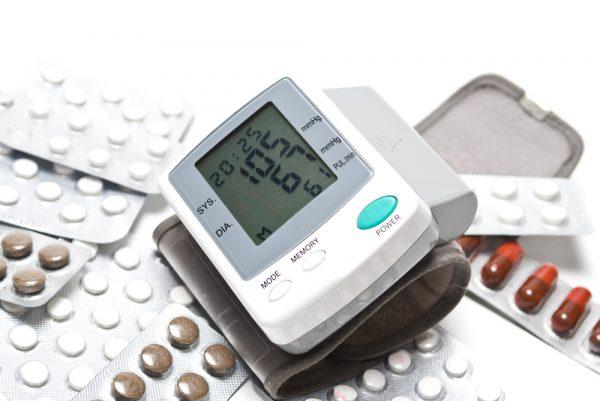
Insulin is a hormone produced by the pancreas. It helps to carry glucose into the cells to be used as energy. It also tells fat cells to store fat and prevents stored fat from being broken down. Overconsumption of refined carbohydrates, alcohol, or artificially sweetened drinks can lead to the body developing a resistance to insulin. When cells are insulin resistant, meaning they can’t recognize glucose-bound insulin, glucose will remain in the bloodstream. Both blood sugar and insulin levels then go up significantly, leading to weight gain and even diabetes.
To normalize insulin levels and improve insulin sensitivity, you can eat more green leafy vegetables, seasonal fruits, fatty fish, and nuts. Drinking green tea also helps.
2. Cortisol, the Stress Hormone

Cortisol is a hormone produced by the adrenal glands, which sit on top of your kidneys. It’s known as a “stress hormone” because it’s released when your body is under stress, anxiety, or anger. Cortisol fights stress by increasing blood sugar levels, suppressing the immune system, and accelerating the metabolism of fat, protein, and carbohydrates. Having too much cortisal in your system can turn overeating into a habit, leading to weight gain.
3. Ghrelin, the “Hunger Hormone”
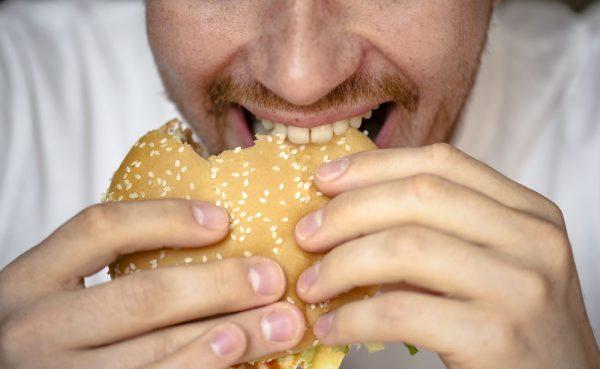
Produced primarily by the stomach, ghrelin is known as the “hunger hormone.” Ghrelin stimulates the appetite and increases fat deposition. When your stomach is empty, it releases ghrelin, which sends a signal to the hypothalamus, telling you it’s time to eat. Normally, ghrelin levels reach the peak before eating and drop sharply about an hour after you’ve had a meal. However, for overweight and obese people, ghrelin only decreases slightly after eating a meal. As a result, the hypothalamus doesn’t receive as strong of a signal to stop, which can lead to overeating.
4. Leptin, the “Fullness Hormone”

Leptin is produced by your fat cells. It’s known as a “fullness hormone” which reduces appetite. Its most important job is to communicate with the hypothalamus, the part of your brain that regulates appetite and food intake. Leptin basically tells your brain that there’s enough fat in storage and no more is needed, so you won’t overeat. Unfortunately, the more sugary food we eat, the more leptin resistant we become. When the message to stop eating doesn’t get through to the brain as it should, your brain thinks it’s still starving, so you’re driven to eat.
5. Estrogen, the Female Sex Hormone

Estrogen is the primary female sex hormone. It is mainly produced by the ovaries and is involved in regulating the female reproductive system. Any imbalance in levels of estrogen in the body can lead to weight gain. High estrogen levels can hinder insulin production and drive insulin resistance. Estrogen levels too low, on the other hand, cause the body to look for other sources to produce estrogen. One such source is from fat cells. Therefore, when the estrogen levels drop, the body starts converting all available sources of energy into fat, leading to weight gain.
6. Neuropeptide Y, the “Feeding Hormone”

Neuropeptide Y (NPY) is a hormone produced by cells in the brain and nervous system. It’s best known as a powerful simulator of feeding behavior. In animal testing, injections of antibodies inhibiting NPY effectively stops animals from eating. NPY stimulates appetite, particularly for carbohydrates, and is highest during periods of fasting or food deprivation. Levels of NPY are elevated during times of stress, which can lead to overeating and fat gain on the waist.
7. Melatonin, the Sleep Hormone

8: Thyroid Hormones, the Metabolism-Controlling Hormones

The thyroid is a butterfly-shaped gland in the front of the neck. It produces hormones that control the speed of your metabolism. Low levels of thyroid hormones, a condition called hypothyroidism, is often associated with weight gain, mostly due to the accumulation of water in the body, making a person look bloated. By contrast, if the thyroid produces more hormones than the body needs, you may lose weight but in a very unhealthy way. This is known as hyperthyroidism—something less common.
Your thyroid needs iodine to work well. Most people in the U.S. get enough of this element from their diet, mostly through iodized table salt, fish, and dairy products. Leafy greens and whole-grain foods are also good for the thyroid.