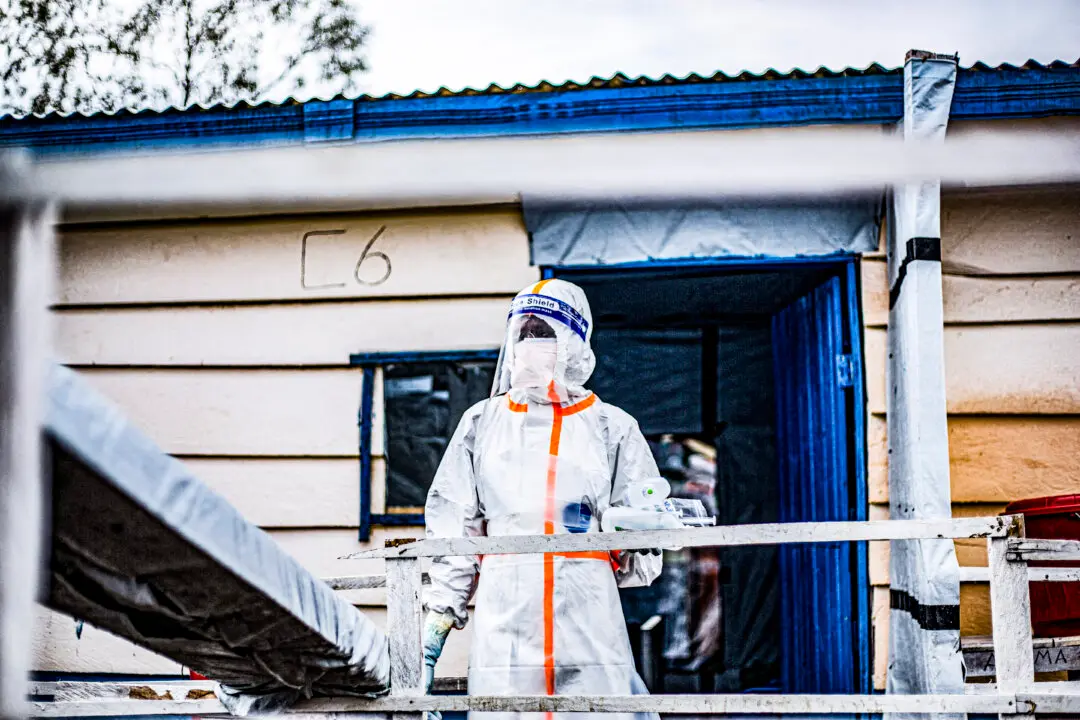
Eleven people in central Africa are dead from the Ebola-like Marburg virus, according to Rwandan health authorities.
The death toll has increased in recent days for the deadly hemorrhagic fever, which has no authorized vaccines or treatments.
Rwanda’s Ministry of Health on Sept. 27 first announced cases of Marburg in what it described as “a few patients.”
Since then, the number of confirmed infections has risen to 36, and 11 of the patients have died, authorities said on Oct. 2. Most of the infected are health care workers.
Officials say patients are being isolated, as are some of the at least 300 people who came into contact with the infected. They have urged people to remain calm.

“Marburg is a rare disease. We are intensifying contact tracing and testing to help stop the spread.”
Individuals experiencing symptoms associated with Marburg, including high fever, strong headaches, and vomiting, were advised to call the nearest health facility or the Rwanda Biomedical Centre.
The Rwanda Ministry of Health has stated that it began investigating the origin of the outbreak. The source remains unclear days later.
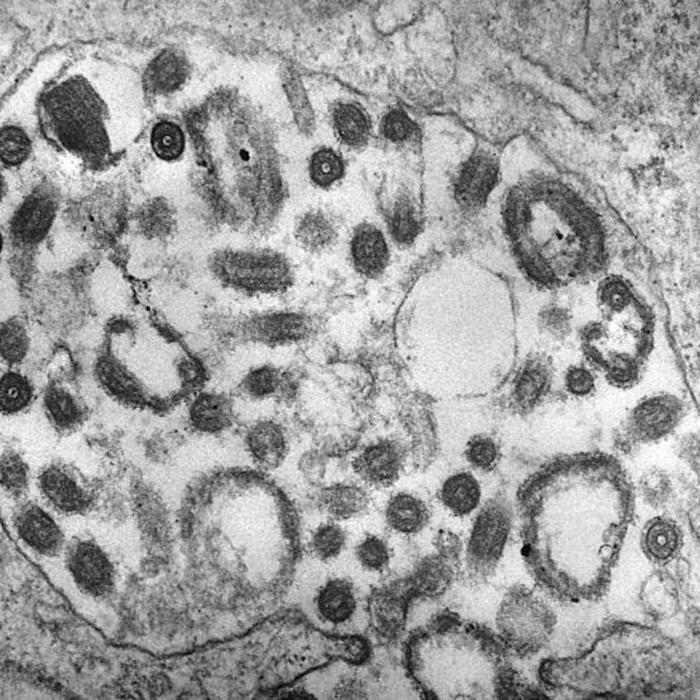
Like Ebola, the Marburg virus is believed to originate in fruit bats. It spreads between people through close contact with the bodily fluids of infected individuals or with surfaces, such as contaminated bed sheets.
The U.S. Embassy in Rwanda’s capital of Kigali has urged its staff to work remotely and avoid visiting offices.
Rwanda is a landlocked country in central Africa with a population of approximately 11.6 million.
Marburg outbreaks and individual cases have been recorded in Tanzania, Equatorial Guinea, Angola, Congo, Kenya, South Africa, Uganda, and Ghana, as well as most recently in Equatorial Guinea in 2023.
The rare virus was first identified in 1967 after it caused simultaneous outbreaks of disease in laboratories in Marburg, Germany, and Belgrade, Serbia. Seven people became infected and died after being exposed to the virus while conducting research on monkeys.