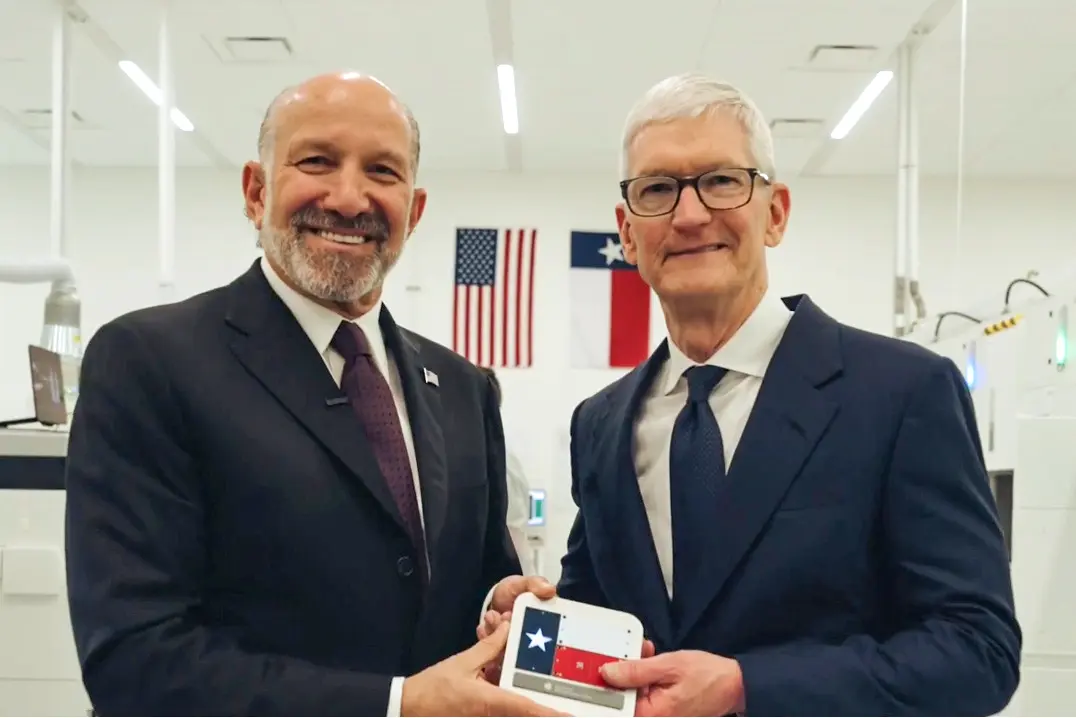
Apple COO Sabih Khan declined to confirm reports that the company was testing Chinese memory chips.
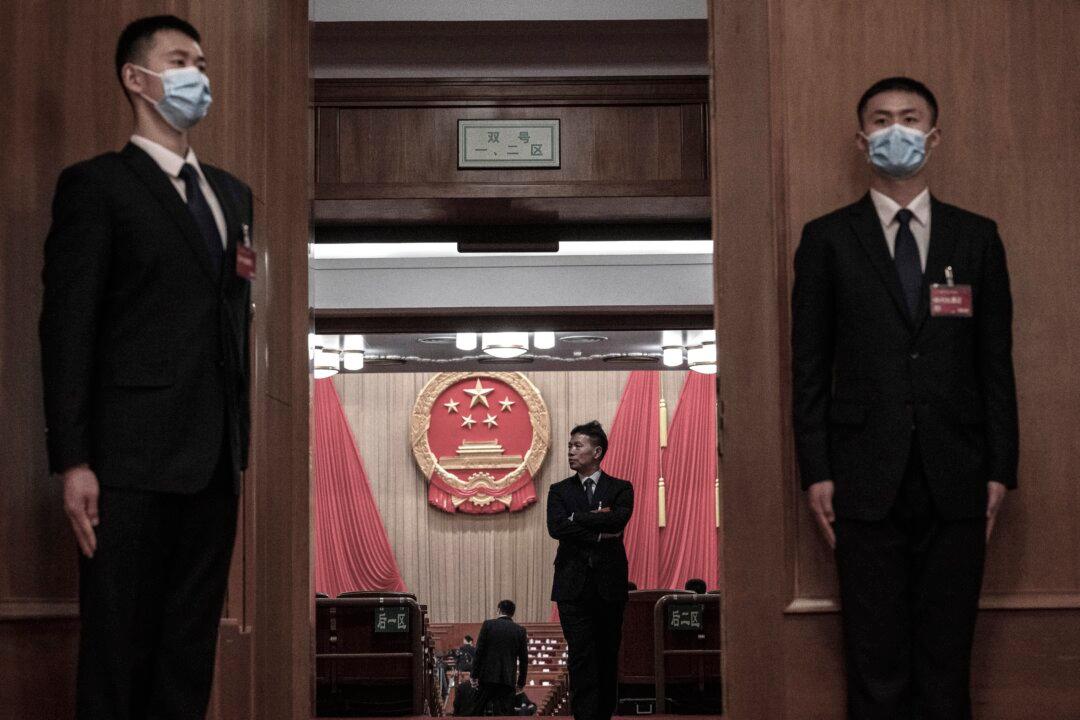
Insiders said CCP leaders were beginning to shape the next Party Congress and future policy direction as Beijing sought breakthroughs in AI and semiconductors.
The House China panel chairman says the Commerce Department clouded safeguards adopted after advanced TSMC-made chips reached Huawei.

A viral joke over a toy’s ‘wa-wa’ sound has evolved into a broader outlet for public frustration with Huawei and China’s tightly controlled online environment.

America still has an advantage in AI infrastructure, although China is trying to make its own chips and data centers, a U.S.–China tech expert said.
The Shanghai-based company waited nearly a year to disclose the boy’s death and changed the trial’s public status five days before the announcement.

The companies retained equipment, data center arrangements, and network links across the U.S. after the FCC denied or revoked their telecom service licenses.
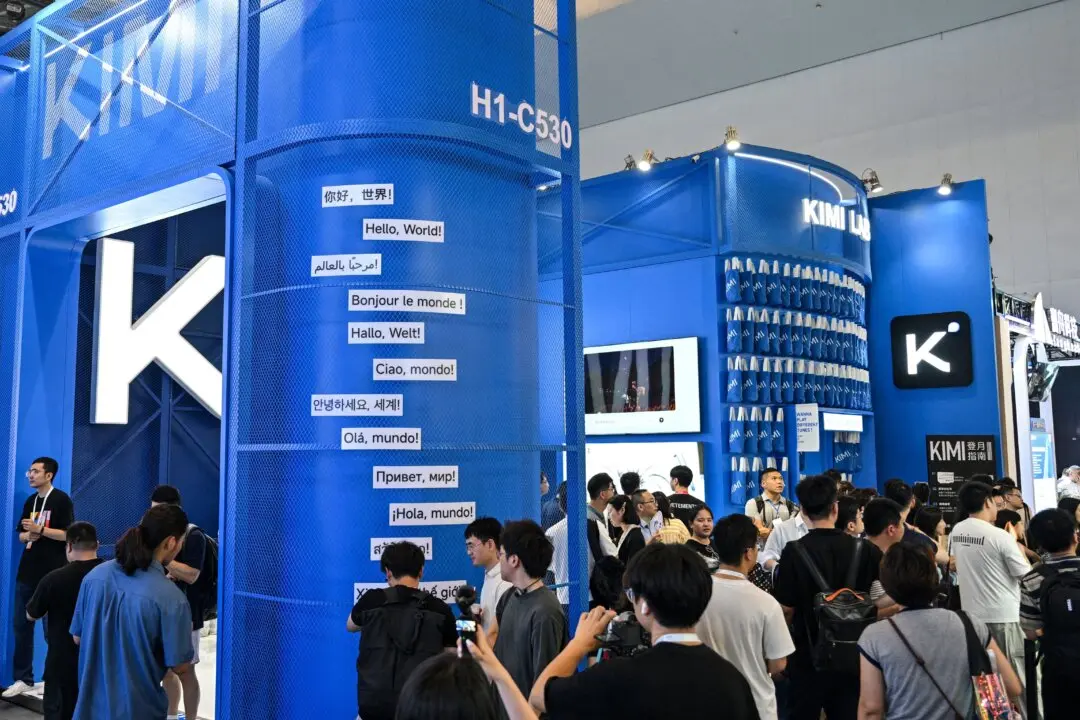
Police questioned AI relay platform operators, signaling that Beijing is extending controls over access to foreign AI models.

The hidden backdoor could allow attackers to gain unauthorized access to affected routers and other connected devices, cybersecurity company VulnCheck said.

Business owners in Zhejiang and Jiangsu report falling orders, delayed payments, price wars, and increased tax inspections.

China’s July PMI gauges fell below 50 as orders weakened, services and construction contracted, and smaller manufacturers faced mounting pressure.

Seven lawmakers gave Apple until Aug. 21 to disclose any testing involving the two companies and answer whether it will exclude their chips worldwide.
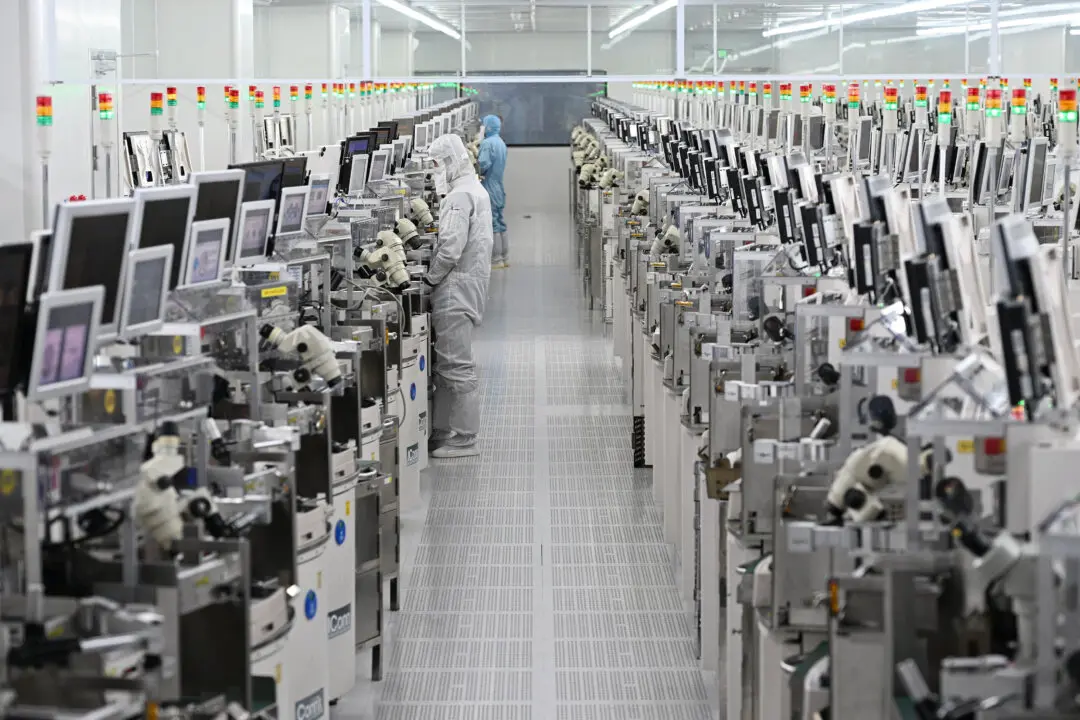
Liang Wenfeng described intense demand for Nvidia processors, the limits of Huawei substitutes, and access to chips he called ‘noncompliant.’

The China-founded retailer disclosed mounting legal and regulatory pressure as it pursued a Hong Kong IPO after stalled U.S. and London plans.

Chinese AI developers say internet censorship and political controls block access to overseas models and research despite Xi’s calls for AI openness.
Chinese made routers can identify connected devices and track certain access records, according to a Chinese technician.
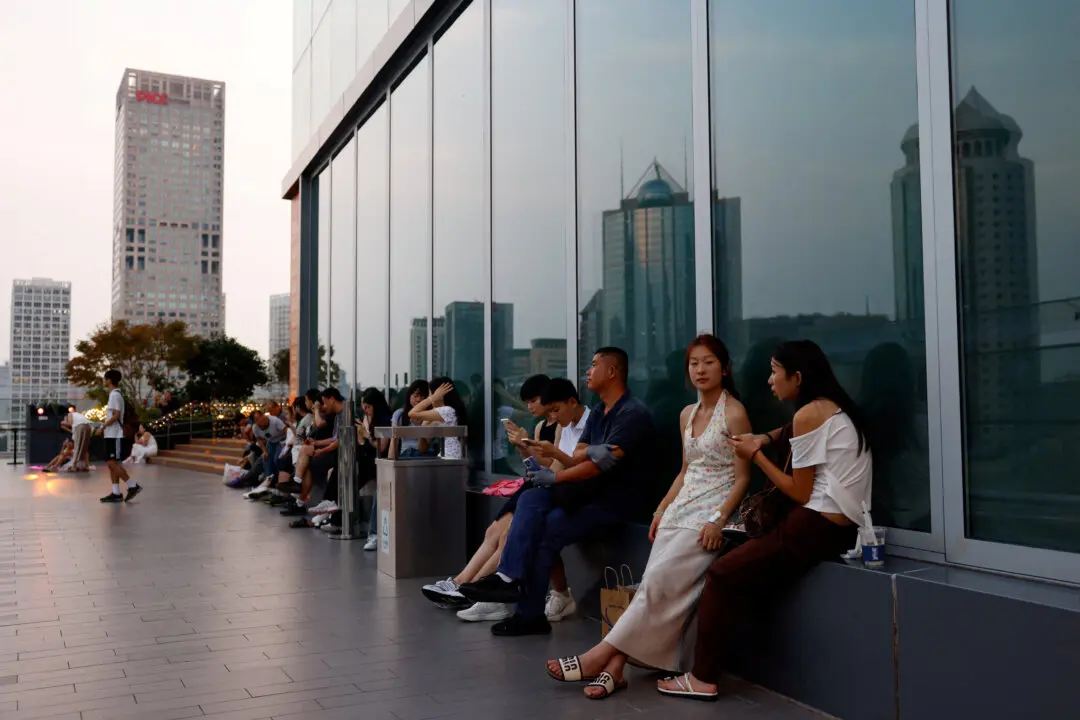
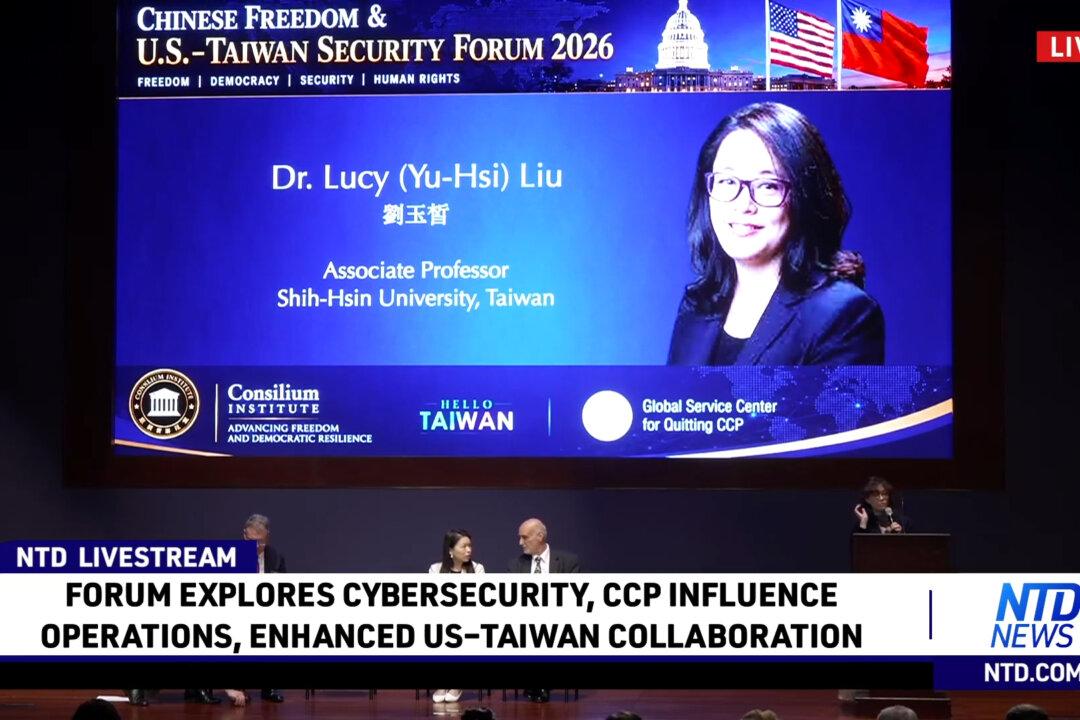
Beijing uses infiltration, subsidized trips, and digital influence campaigns to weaken Taiwan people’s trust in the U.S. and shape voting behavior: officials.
The joint venture will manufacture passenger vehicles for Ford and Geely, but will not independently conduct vehicle design.

The senator questioned whether foreign chipmakers must obtain U.S. approval before filling advanced chip orders from unvetted middlemen outside China.