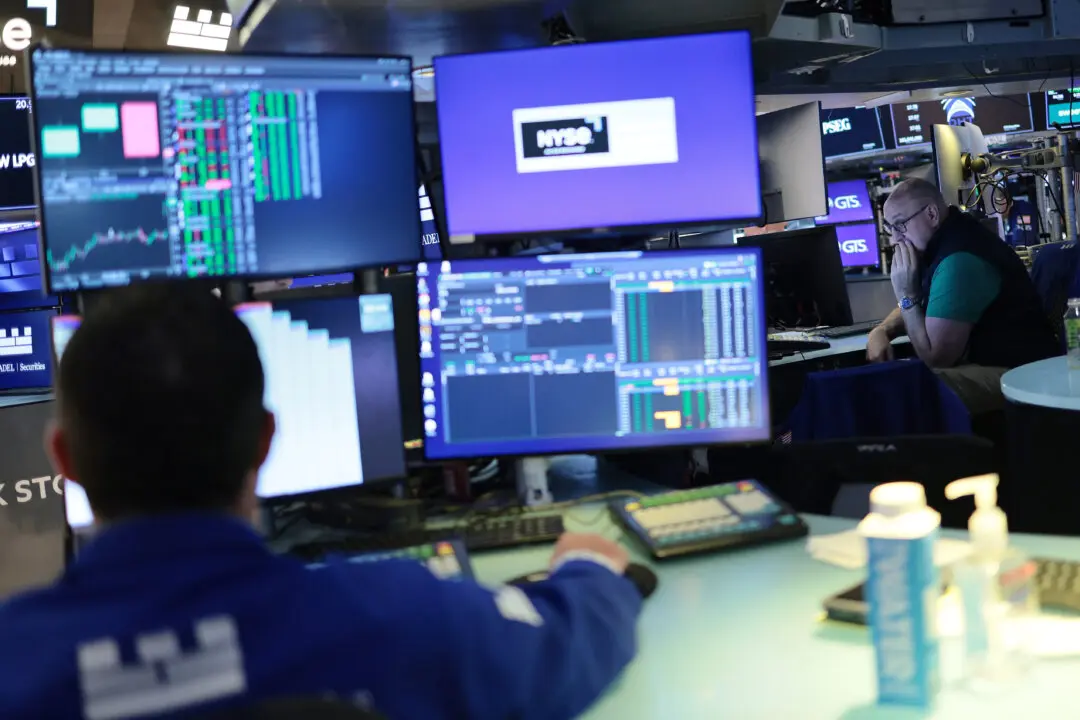
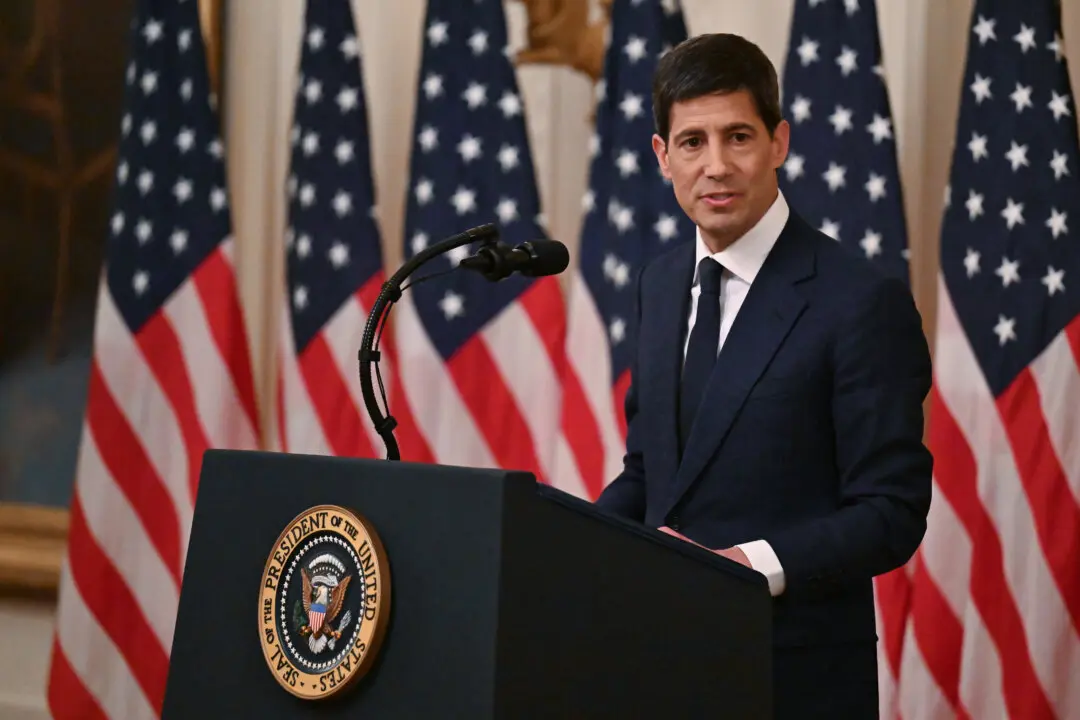
This is a good time to remind investors that the U.S. remains an economic oasis compared to the rest of the world.

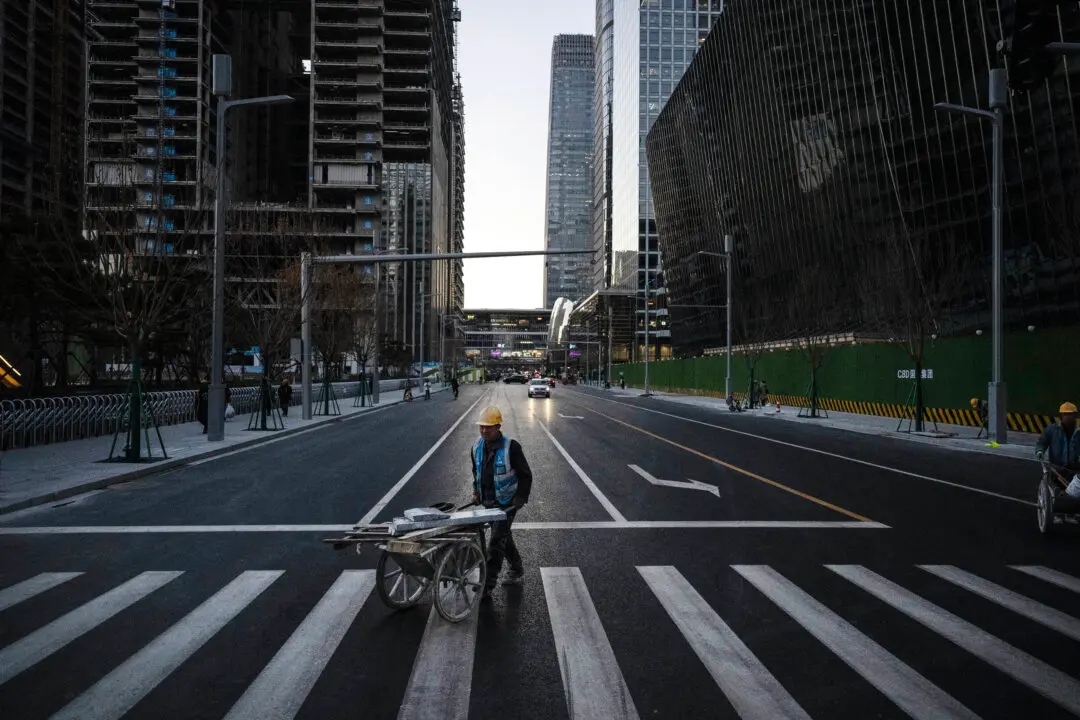
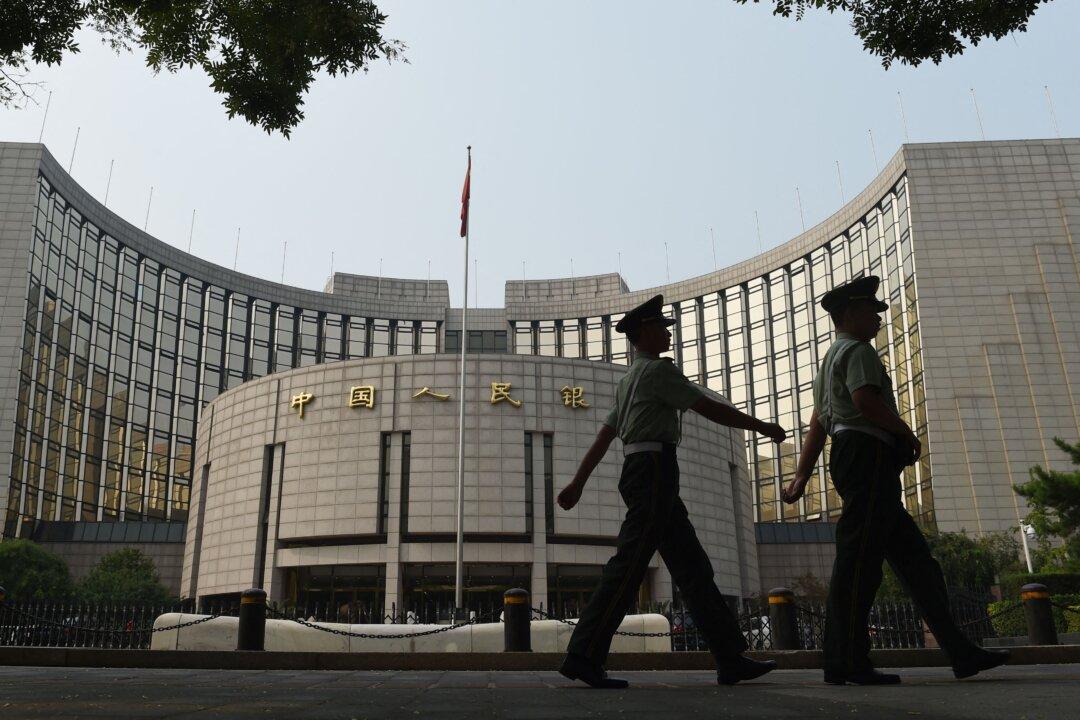
Directing China’s banks to follow political instead of commercial criteria invites a rerun of the property crisis, just in a different sector.
Beijing only wants scientific freedom when it doesn’t have the science.
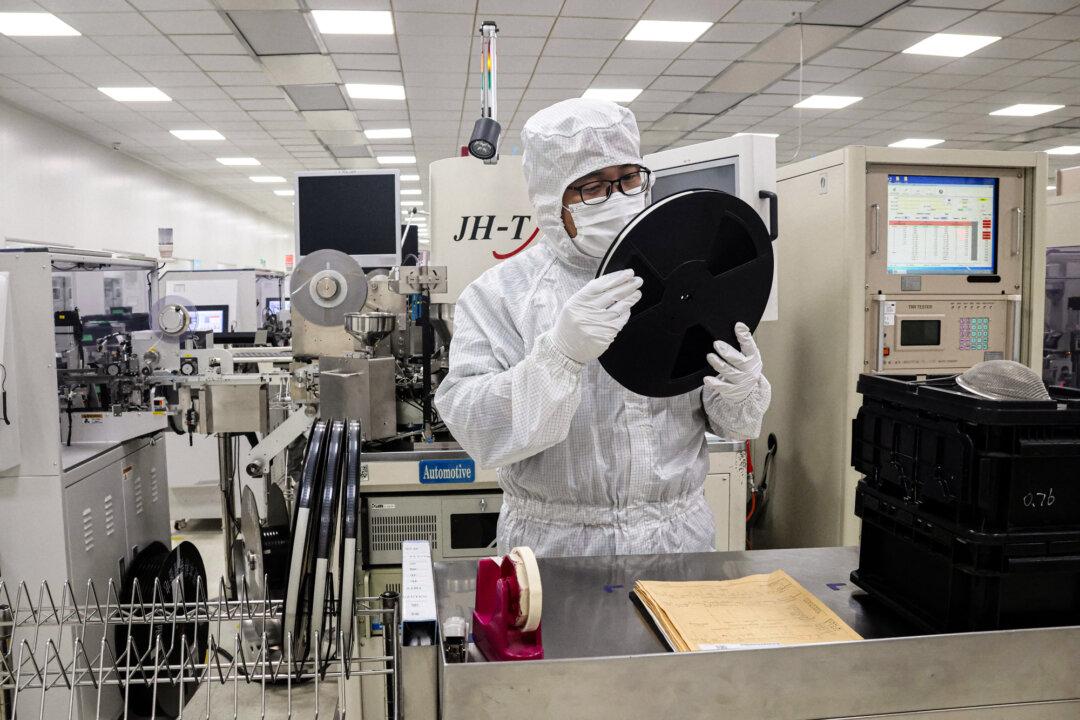
Beijing will have to jump very high hurdles indeed to achieve Chinese self-reliance in the production of critical semiconductors.
I hope you share my view of accelerating GDP growth and the incredible earnings market, which should persist for months.

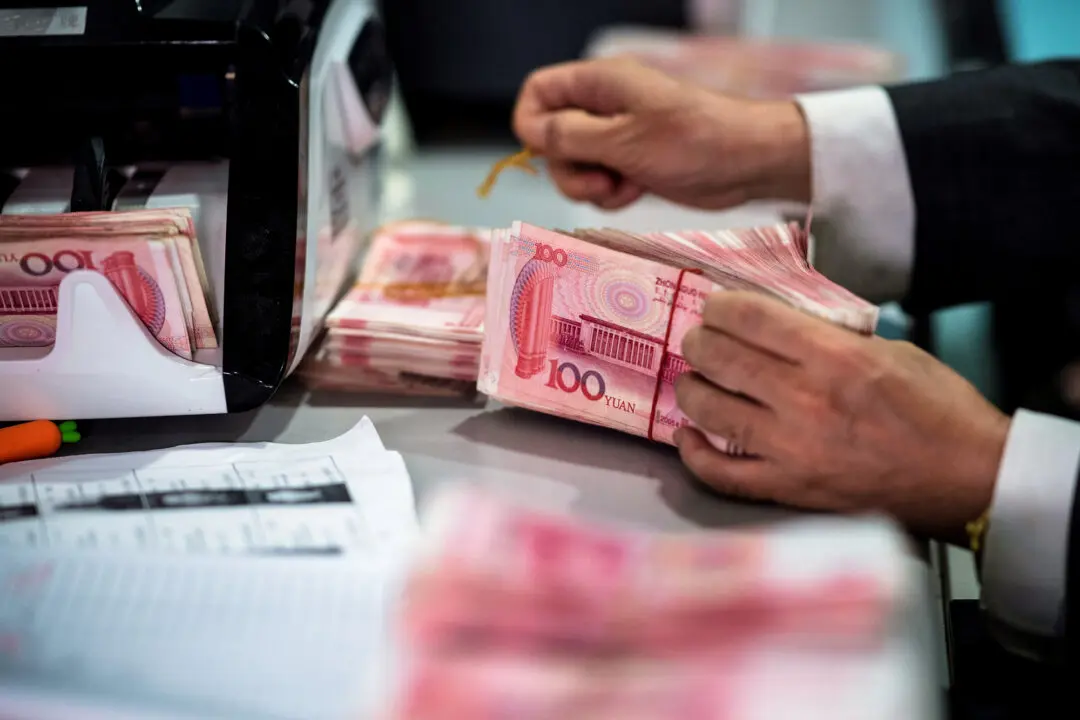
Part 2: Hidden bad debts, eroding investor confidence, and mounting risks are part of China’s banking challenges.
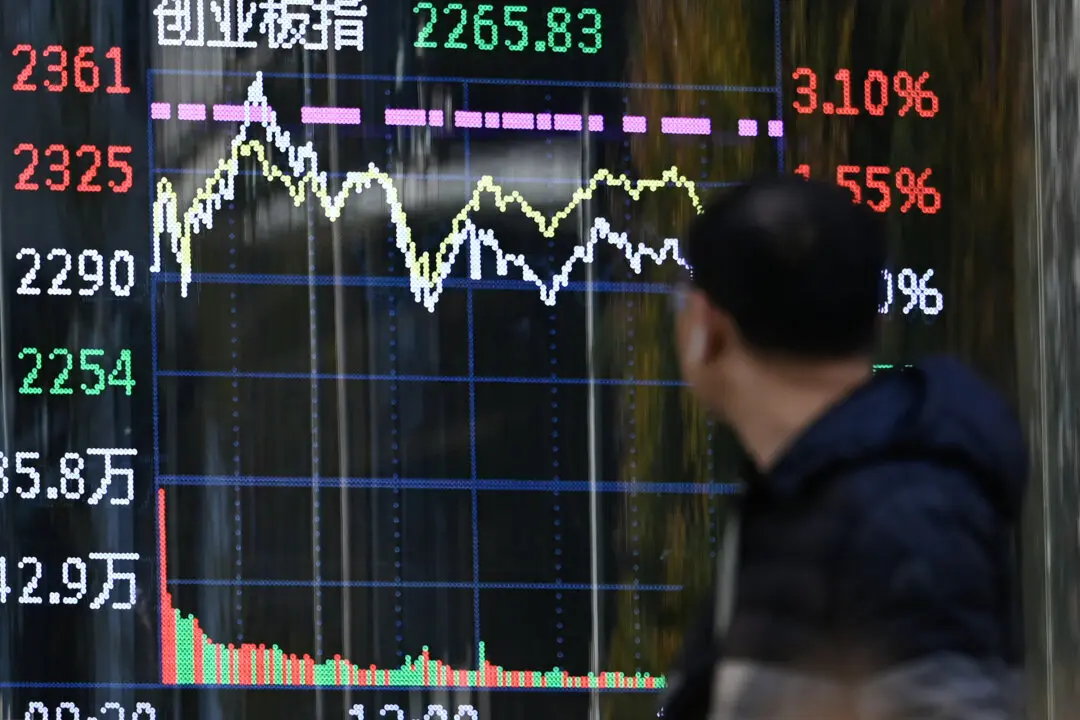
Part One: Recent official data point to a growing number of warning signs that China’s banking sector is entering a period of heightened financial stress.
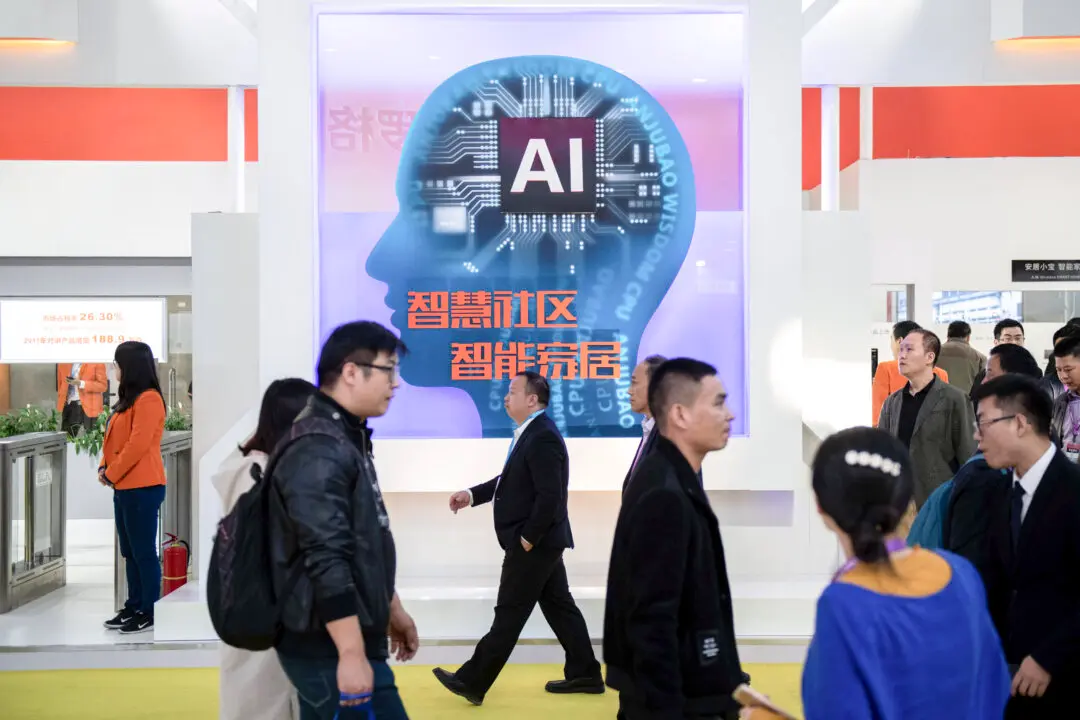
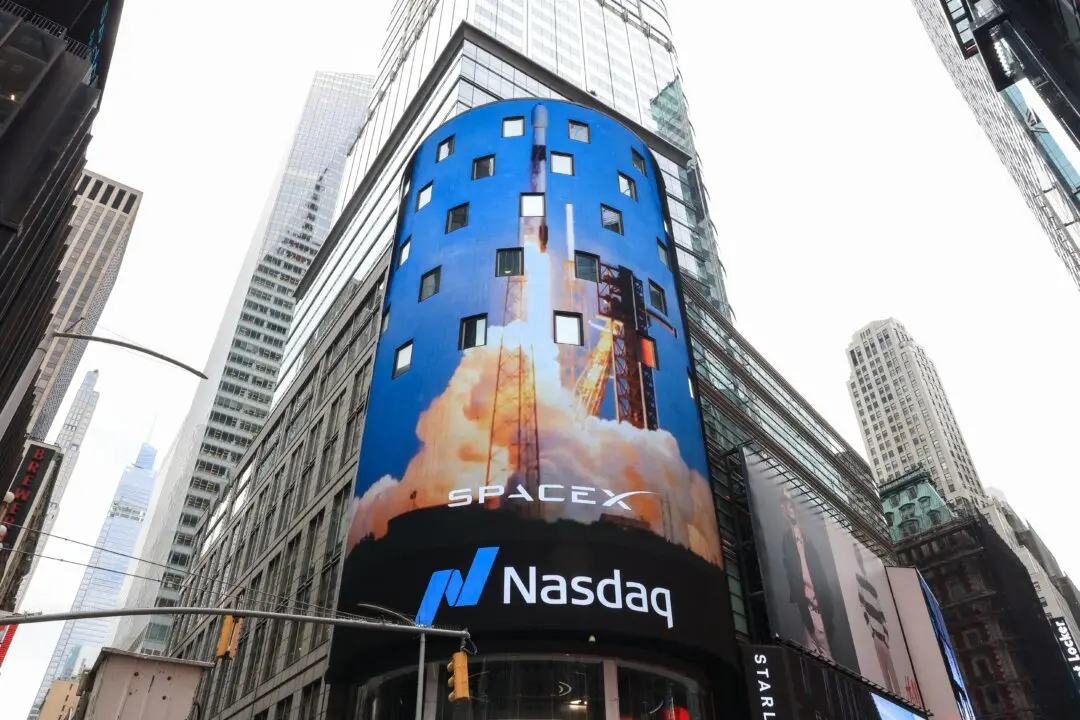
The truth of the matter is that we cannot stop the current technology train, so you must get on the train, or get left behind.
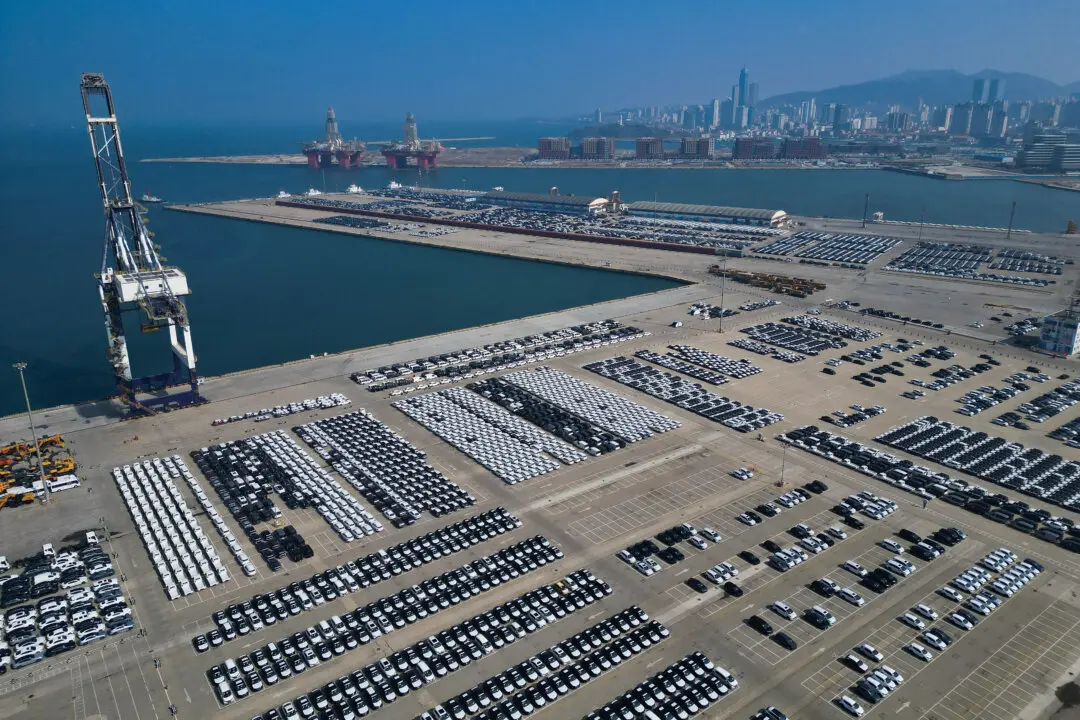
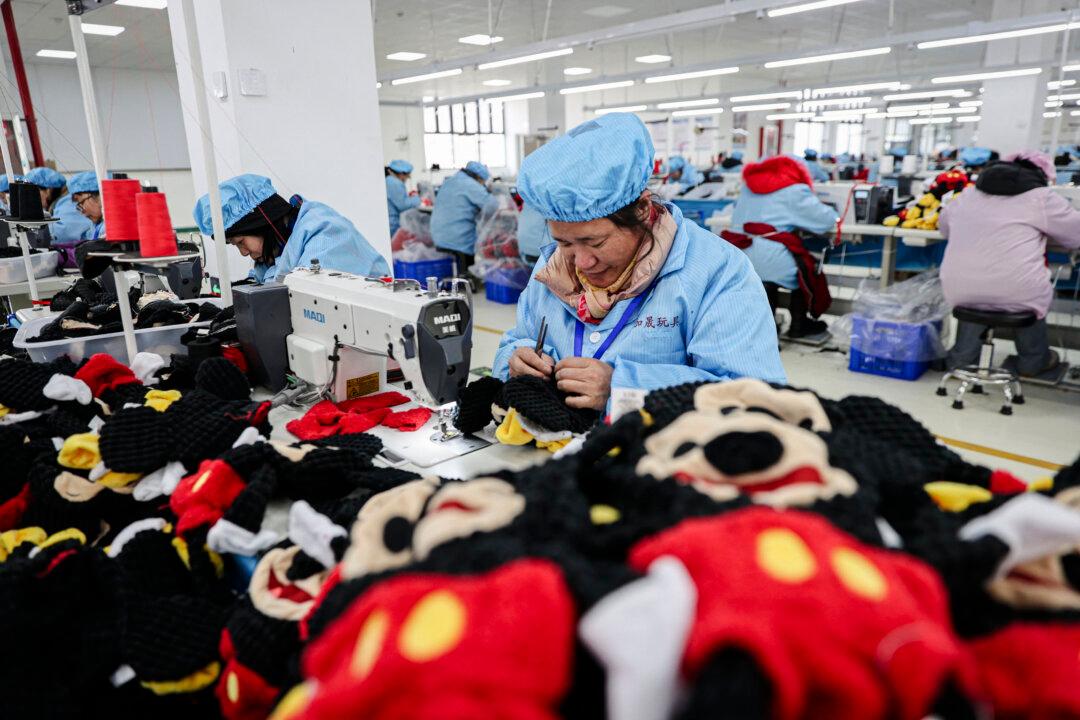
The April–May surge in China’s exports does not mean Beijing has beaten Trump’s tariffs. This strength will fade, but new aspects do promise durability.
Overall, I want to remind investors the U.S. remains an economic oasis and is the primary driver of worldwide economic growth.

Only weeks after the summit with the United States, Beijing is tightening trade and market access—but he’s not the only one doing so.
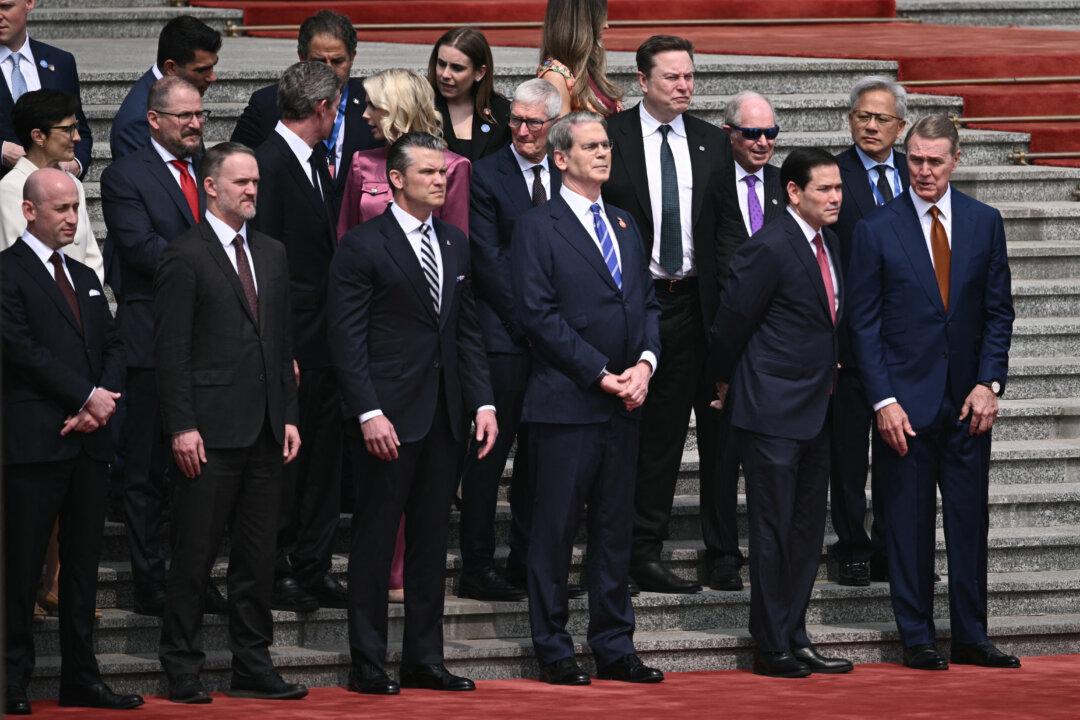
Beijing so fears technological competition that it has clamped down more than ever on outbound investments and overseas Chinese business arrangements.

The U.S. is leading the world, the AI and data center boom cannot be stopped, and the boom will persist for at least the next three years.

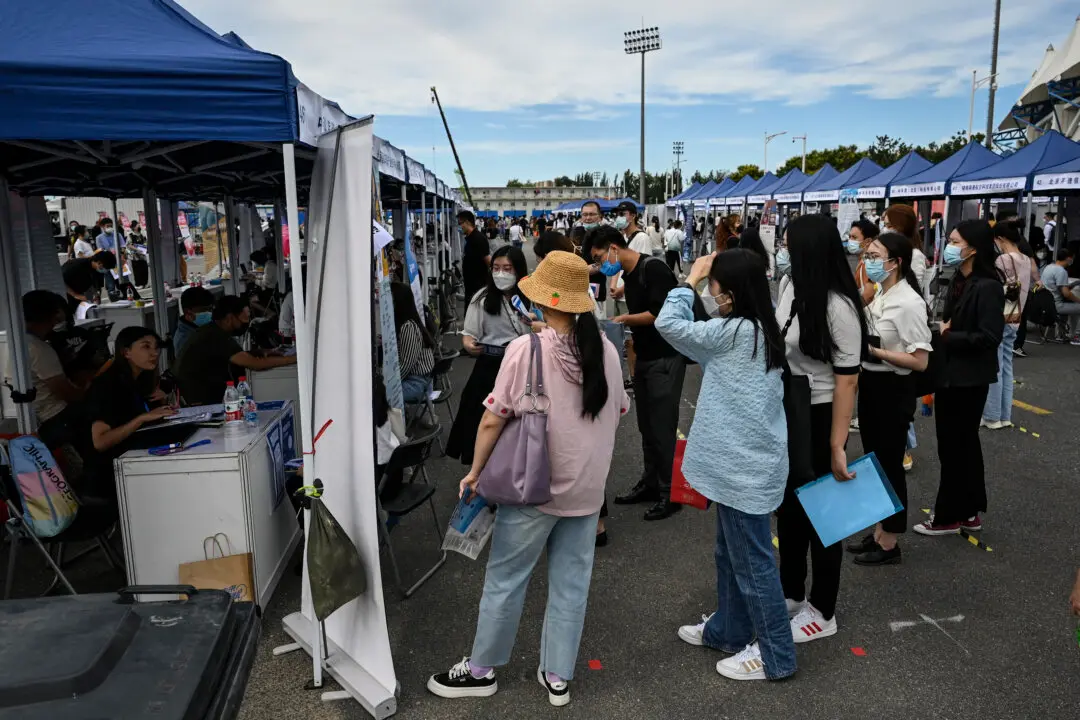
Local governments in China report financial problems that render them unable to meet their obligations to either their citizens or their residents.