In a lesson to all governments—east, west, north, and south—Beijing is having difficulty controlling critical technologies and is also paying a price for the effort.
The people in Zhongnanhai keep ratcheting up controls to keep what technology China has developed—especially in artificial intelligence (AI)—from filtering into the wider world.
These efforts speak to the paranoia typical of authoritarian governments and have not only cut Chinese developers off from foreign capital but also limited the kinds of cross-fertilization that otherwise help advance such technological efforts, whatever their point of origin.
The most visible sign of this effort emerged in April 2025 with a decision by Beijing’s National Development and Reform Commission. It has forced the American company Meta Platforms to unwind its $2.5 billion acquisition of the Chinese AI startup Manus.
Although Manus had moved its global operations and staff to Singapore in 2022, Beijing insisted on its authority, pointing out that Manus’s key assets—its algorithm, data, and talent—originated in China and were developed with Chinese resources. The authorities in Beijing cited national security concerns and characterized the Manus–Meta deal and Manu’s Singapore connection as simply a “circumvention” of Beijing’s legitimate concerns and regulations.


Nor is the deal’s destruction a one-off thing. With it came a message to all Chinese startups and investment firms that the authorities will no longer tolerate the common practice known as “China shedding”—shifting a corporate domicile overseas to avoid Beijing’s regulations and controls.
This news should not come as a surprise to anyone in China today, especially those in the technology sector. For more than a year now, Beijing has placed companies with offshore structures under greater scrutiny and made its concerns very public.
Beyond scrutiny, Beijing has greatly expanded its regulatory playbook. China has long imposed capital controls that, among other things, cap the amount of foreign exchange individuals can buy. Now with new rules recently promulgated by China’s State Council, the Chinese Communist Party has given itself authority to conduct reviews of all overseas investments that could, in the Party’s sole judgment, affect national security.
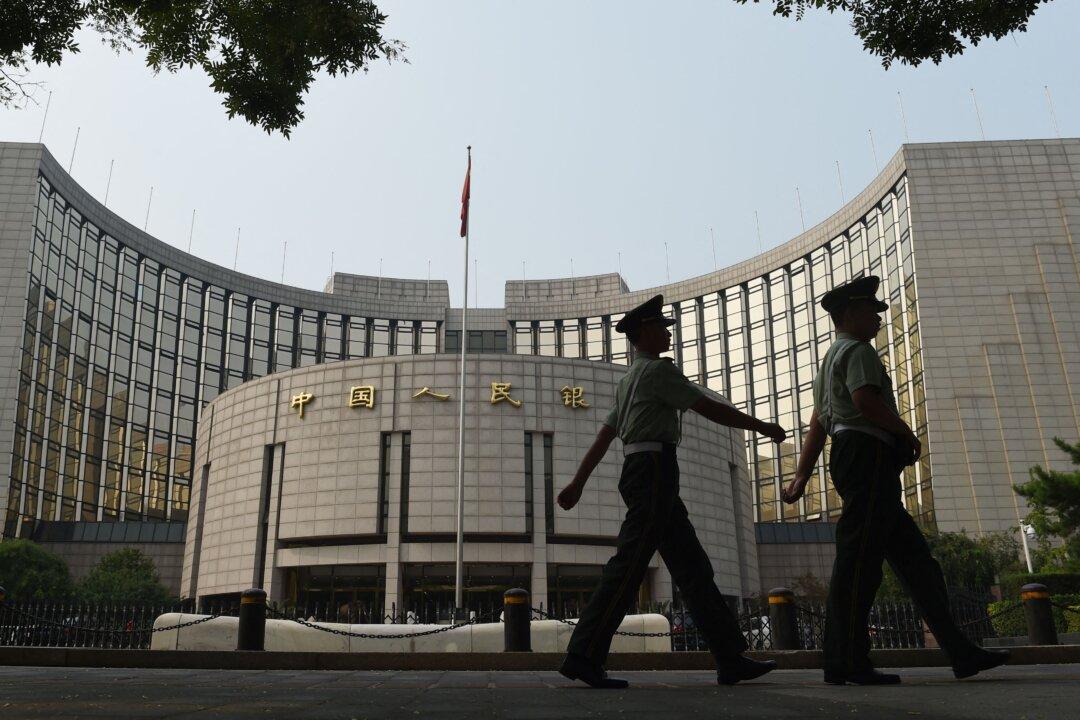
Under these rules, the authorities can order any company to halt investment activities and divest itself of any shares and assets designated by Beijing. The Chinese regime has already ordered several Chinese AI developers to reject American funding, and the State Administration of Foreign Exchange at the People’s Bank of China now stipulates that domestic firms must repatriate all funds raised overseas unless they are expressly granted an official waiver after formal filings. There is even talk that Beijing will soon restrict Chinese engineers from working overseas.
These new rules promise to play hob with what have come to be called “red chip” companies. Since the 1990s, Chinese firms have enhanced their access to foreign capital by setting up shell companies abroad—usually in tax havens—to own their China-based operations. Beijing’s new rules will interfere tremendously with these otherwise successful business arrangements.
And the impact has already become apparent. Sources in Hong Kong note that of the 41 new listings brought out so far this year, only 5 percent have red-chip structures. Last year, red-chip firms accounted for fully 30 percent of all new Hong Kong listings. Regulators have gone so far as to request that some Hong Kong-listed firms move their main operations back to mainland China.
Beijing’s aim is clearly to protect AI secrets from leaking into the wider world but also, more generally, to exert as much regulatory control as possible. Given the Chinese regime’s police power, there is every reason to believe Beijing will succeed in this effort. In doing so, however, China will lose the benefits of foreign capital that its firms and startups have enjoyed for decades, especially in areas such as technology.
The restrictions on capital flows, investments, and personnel may protect some technological secrets, but they will also starve the effort of needed financing and limit the opportunities for cross-fertilization that have in the past so advanced technological developments wherever they originate.