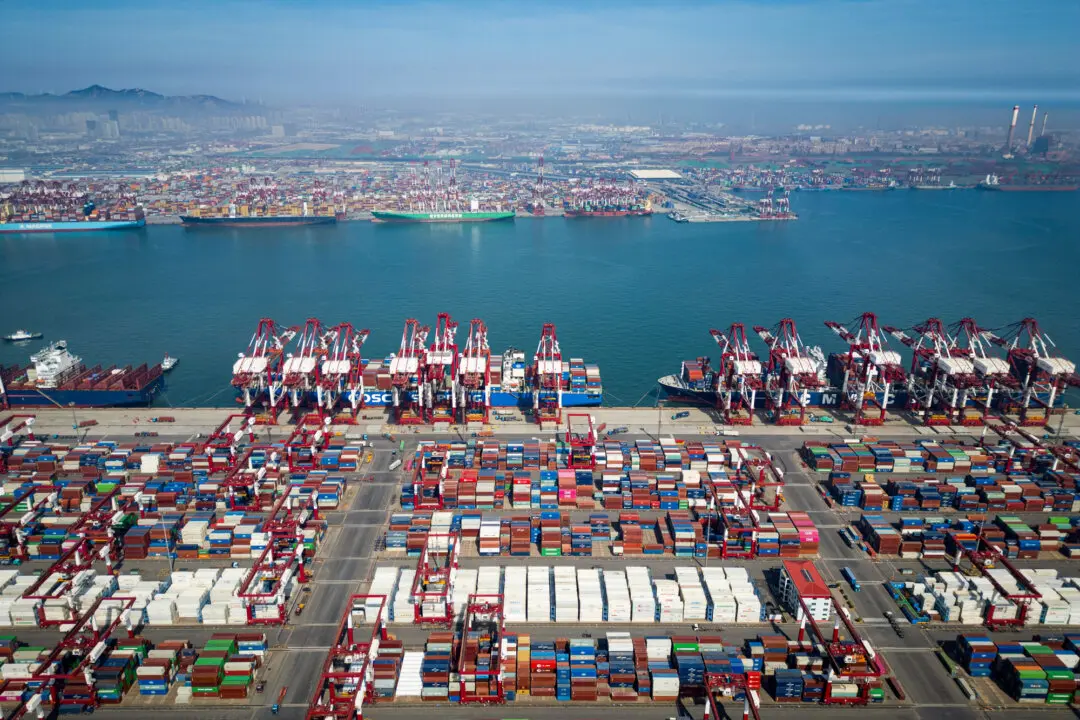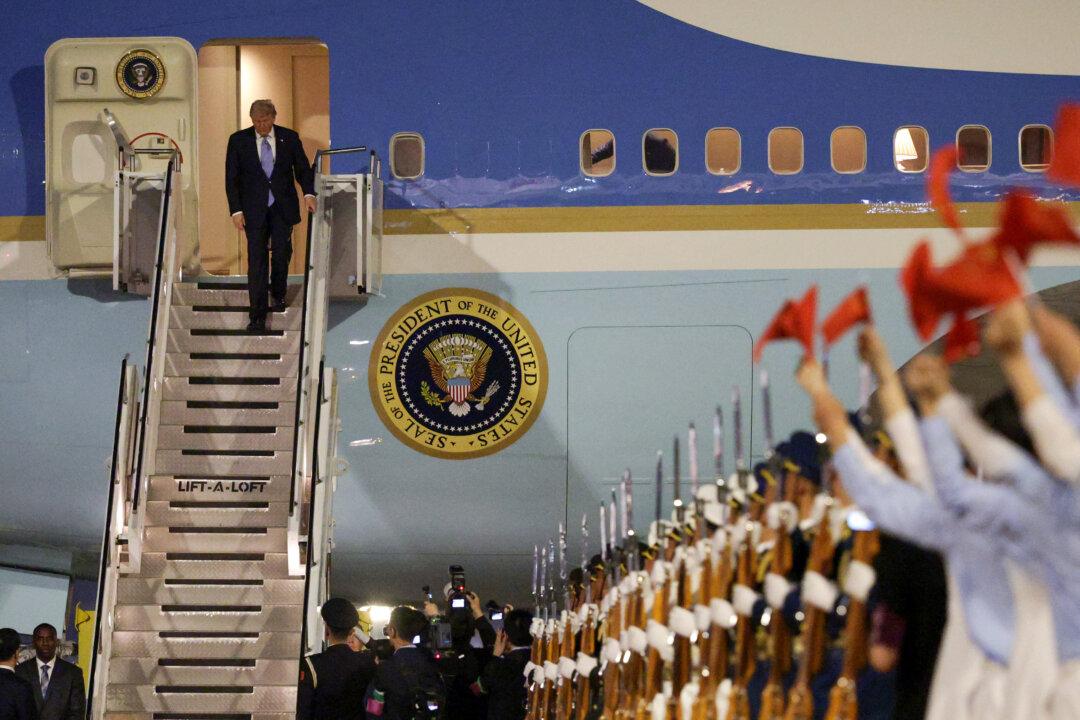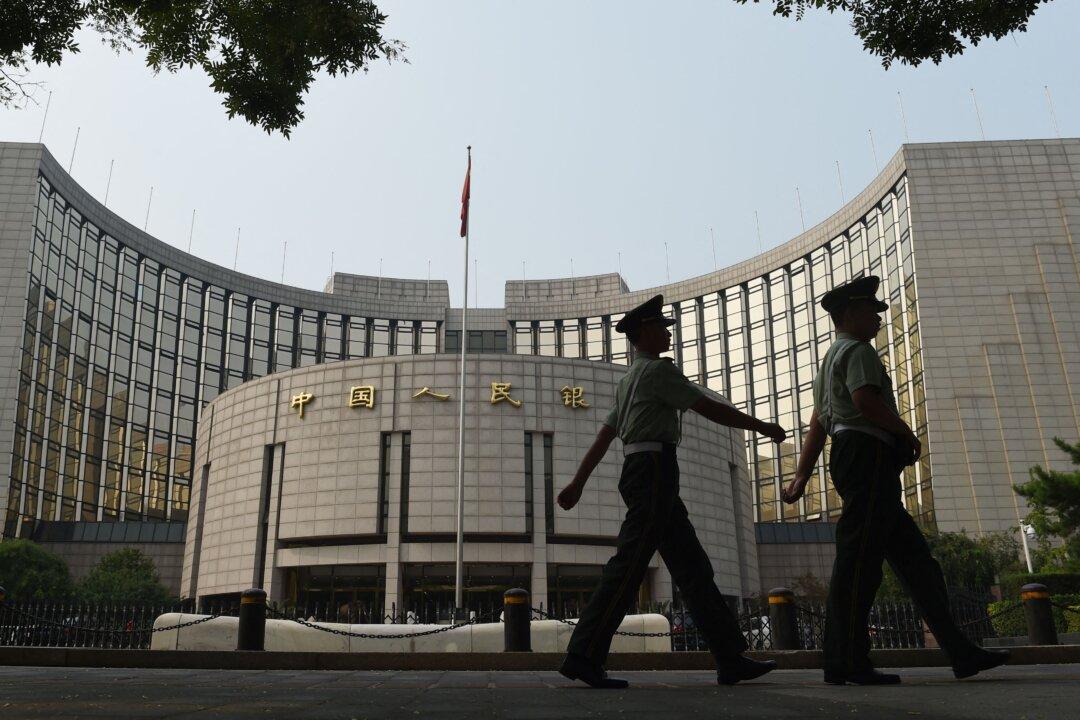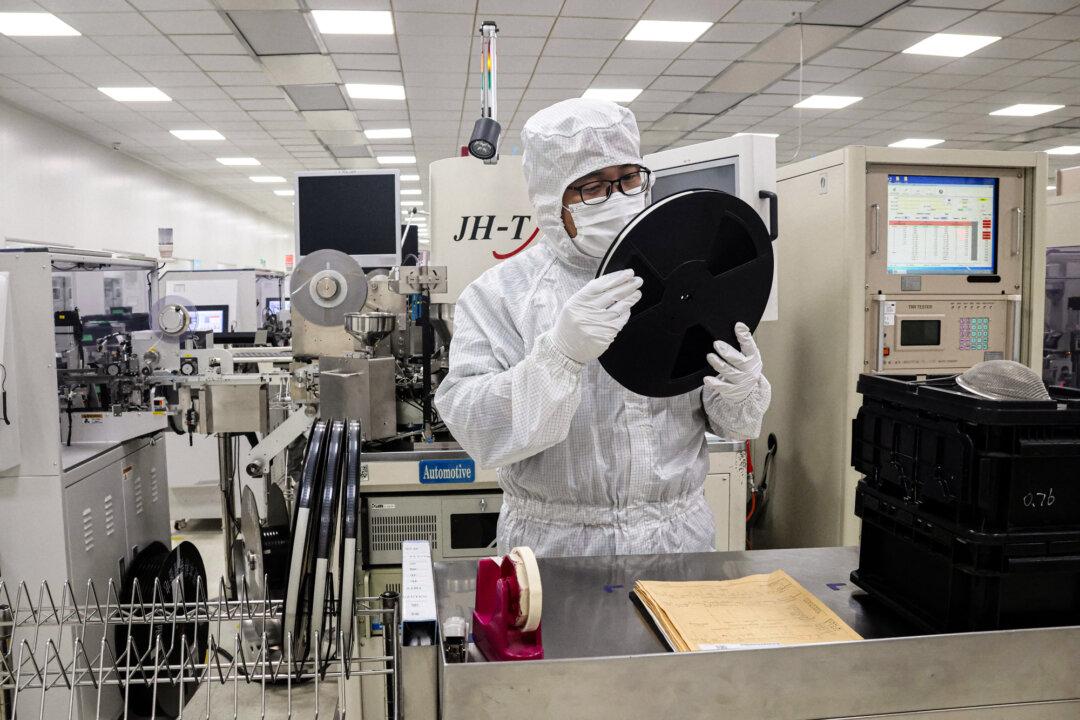
While Chinese leader Xi Jinping and U.S. President Donald Trump seemingly came away from their recent summit on good terms, with no threats or hostility, Beijing continues to play hardball with Japan.
So far this year, the Chinese authorities have banned Chinese companies from selling to 40 Japanese entities on Beijing’s so-called export control list. Japanese Prime Minister Sanae Takaichi, aside from condemning China’s action and lodging a formal complaint, has yet to respond, but she is under considerable domestic pressure to do so.
Reports from both Beijing and Tokyo reveal a long list of Japanese companies and some government entities subject to Beijing’s sanctions. The year began with 20 names on Beijing’s list, which the authorities in China recently expanded to include another 20.
China claims that the banned export products have both commercial and defense applications. Beijing has gone so far as to arrest two employees of Japan’s Fuji Electric Company on suspicion of smuggling prohibited exports. Among many private companies, the list includes the National Institute for Defense Studies of Tokyo’s defense ministry.
Most significant among the banned exports are the rare-earth elements that are critical to a number of technological applications, from artificial intelligence to family autos to missiles and jet fighters. And clearly Beijing has singled out Japan.
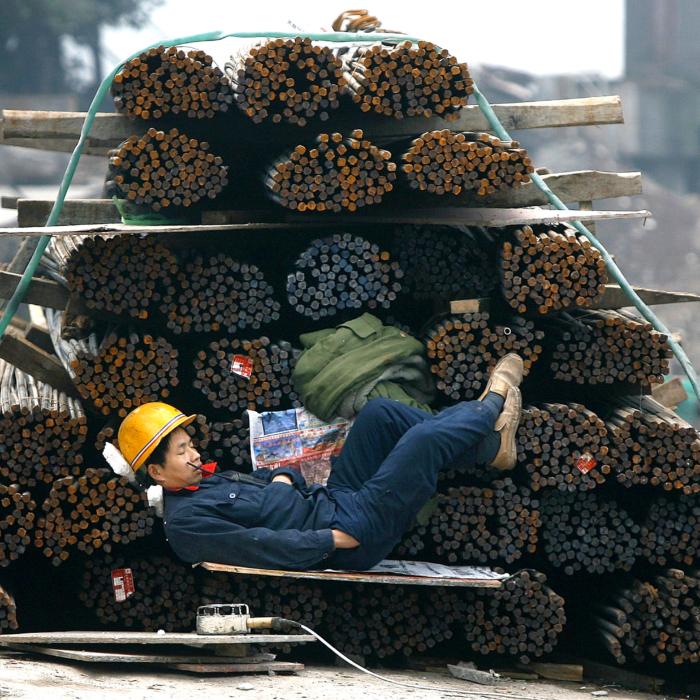

While China has cut global rare-earth exports by some 7.7 percent so far this year, it has cut flows to Japan by some 36 percent. Since China controls between 65 percent and 70 percent of the world’s supply of these elements, this puts Japanese industry and government in a difficult position.
Beijing has justified its move to cut exports of rare-earth elements and exports generally by claiming that Tokyo is using the products to enhance its military strength, advancing what Beijing describes as “neo-militarism.”
While the neo-militarism descriptor surely overstates matters, there is no disputing that many of the banned exports, including rare-earth elements, do have military applications and that Japan is also enhancing its military capabilities. But these facts do not explain the entirety of China’s export ban.
Also behind Beijing’s militancy are objections to Takaichi’s remarks last year suggesting that Japan would aid Taiwan in the event of an attack by the People’s Republic of China. Although these matters still contain many ambiguities, any such suggestion is bound to cut deep in Beijing because of Japan’s brutal invasion of China in the 1930s and 1940s and the fact that Taiwan was once a Japanese colony.
Also simmering under the surface is the ongoing diplomatic dispute between Tokyo and Beijing over which has sovereign authority over uninhabited islands in the East China Sea, called Senkaku by the Japanese and Diaoyu by the Chinese. Indeed, this dispute led to the initial rare-earth export ban in late 2025.
While there is no denying the pressures this ban exerts on Japanese industry and the country’s military, the strictures are not entirely costless to Beijing. Although China can easily make up for the sales lost in Japan by meeting demands elsewhere in the world, the extent of this pressure has driven Tokyo closer to the American orbit and the U.S. presence in the western Pacific. It certainly will not dissuade Japan from strengthening its military.
The Chinese pressure has also made Tokyo that much more committed to the project of the G7 group of the world’s developed economies—Canada, France, Germany, Italy, Japan, the UK, and the United States—as well as Australia and others to develop non-Chinese sources of refined rare-earth elements as quickly as possible.