The added cost is aimed at helping boost the domestic drone industry and control national security risks.
The court said the president acted lawfully in ending the longstanding duty-free exemption for low value imports.
The administration is setting minimum import prices to prevent Chinese companies from dumping products in the U.S. market, Commerce Secretary Lutnick said.
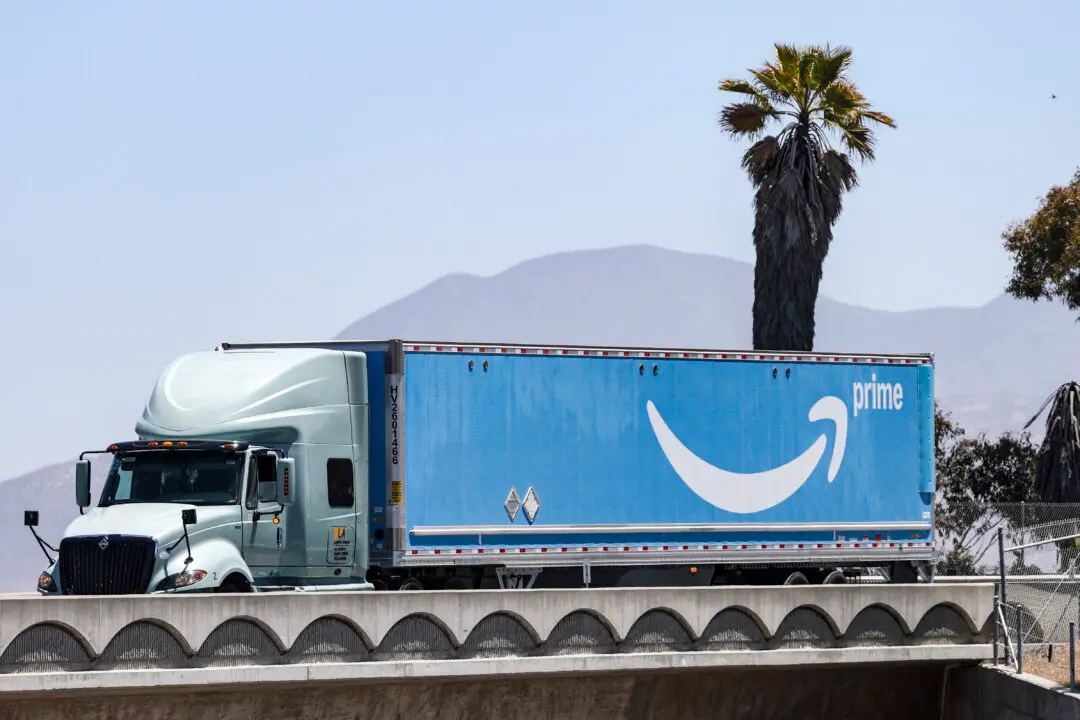
Amazon’s decision to refund tariffs to certain customers comes as the company was sued in May in a class action lawsuit.
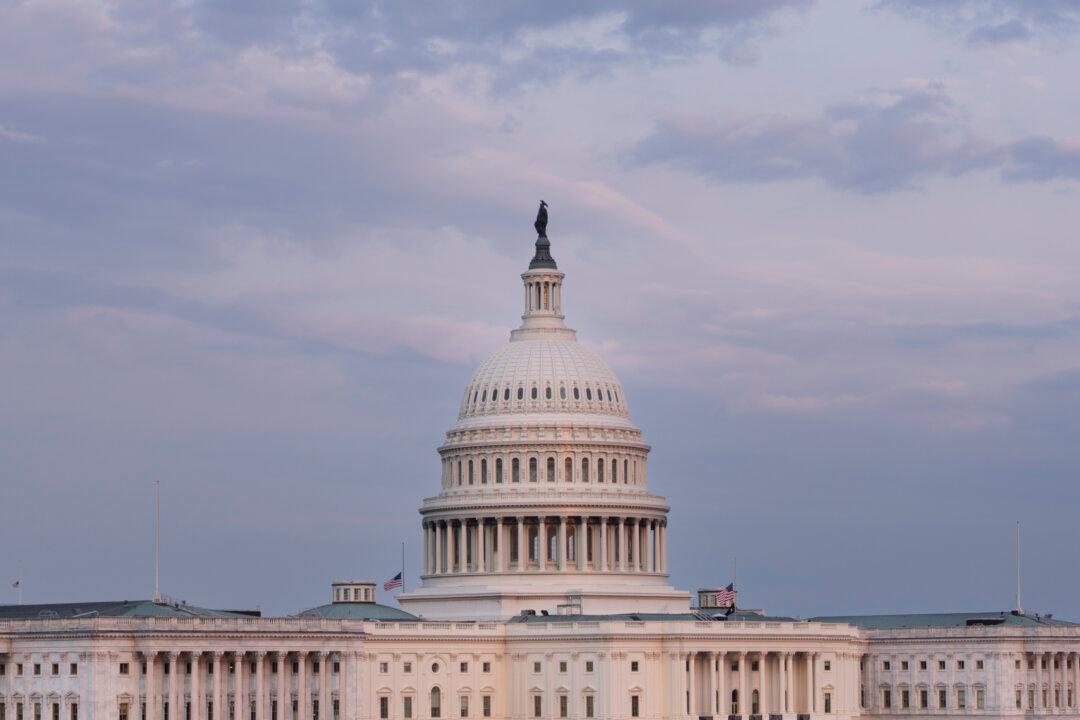
The bill to add sanctions on Russia and extend sanctions on Iran has been advancing in the Senate following the death of Sen. Lindsey Graham.
The lawsuit alleges that the U.S. Trade Representative exceeded authority granted by Congress under Section 301.
Billions of dollars in fines against American technology companies must be reversed, the president said.

The new levies drew criticism from trading partners, who defended their labor records and outlined their next steps.
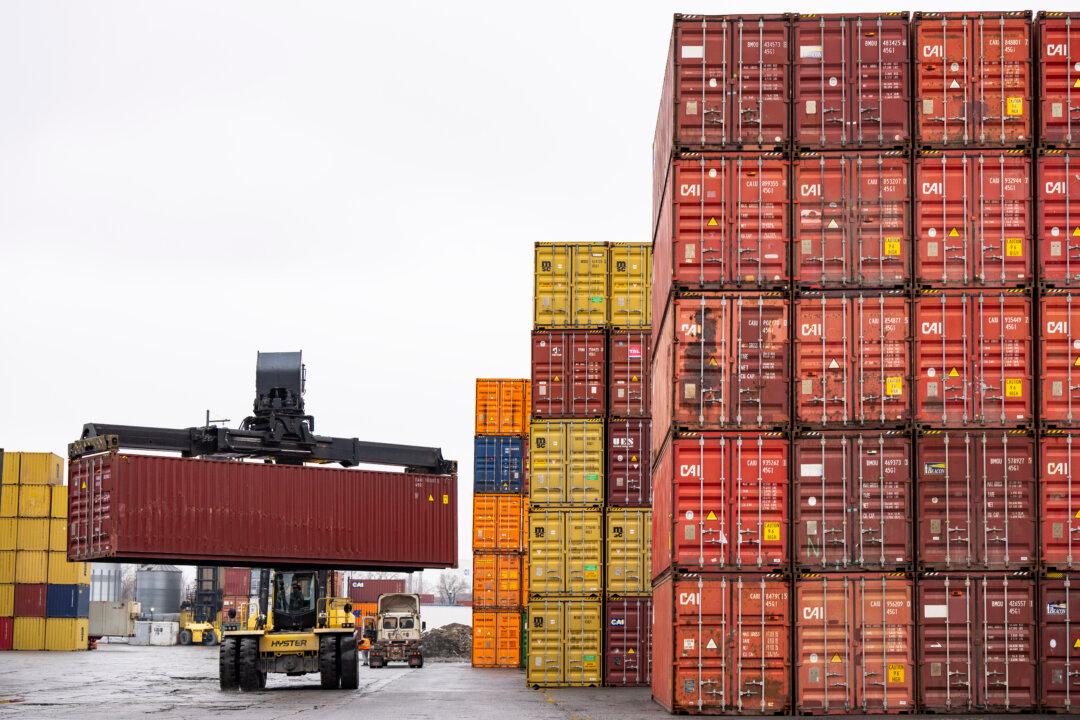
Dominican Republic, Brazil, and Australia received the largest raw cane allocations as the trade office finalized annual tariff-rate quotas.

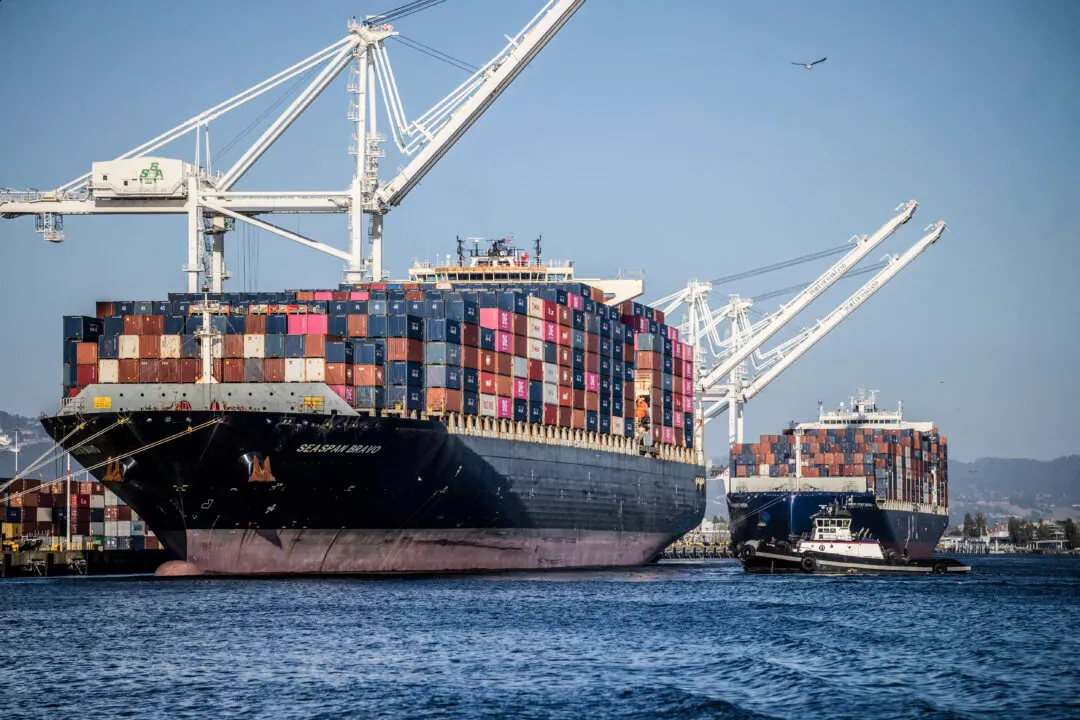
The administration accused the trading partners of failing to enforce bans on forced labor. It comes as a global 10 percent tariff is set to expire.
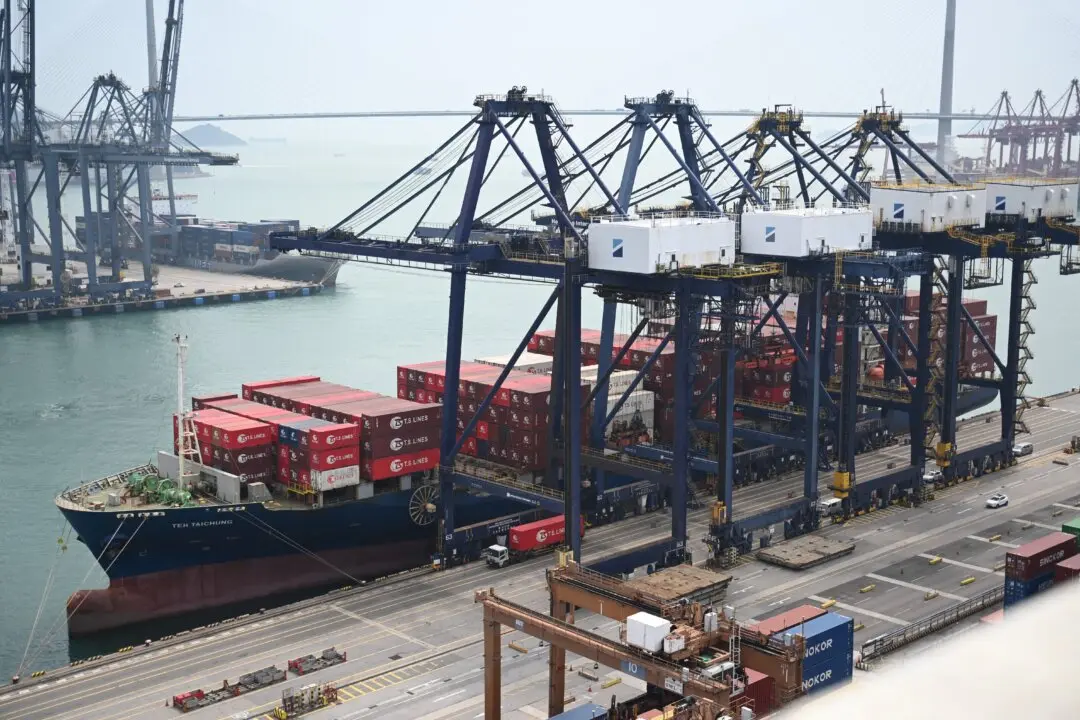
The tariff is intended to encourage the reshore America’s pharmaceutical supply chain and protect national security.
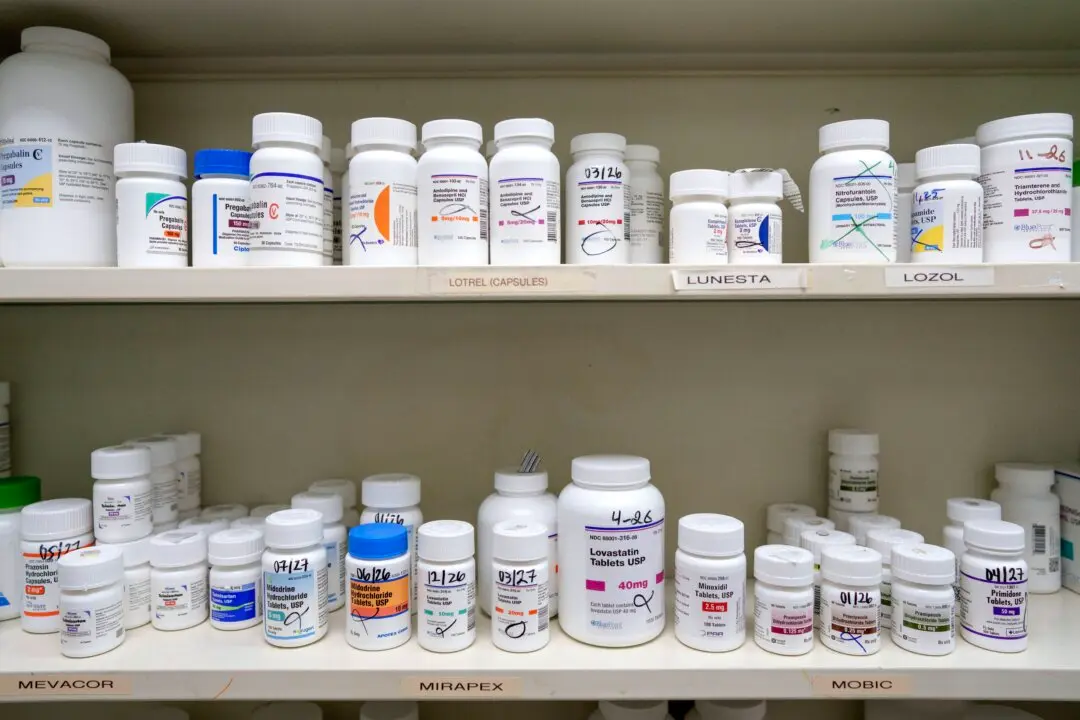
The latest levies target almost $20 billion in Canadian goods, or 0.8 percent of GDP.
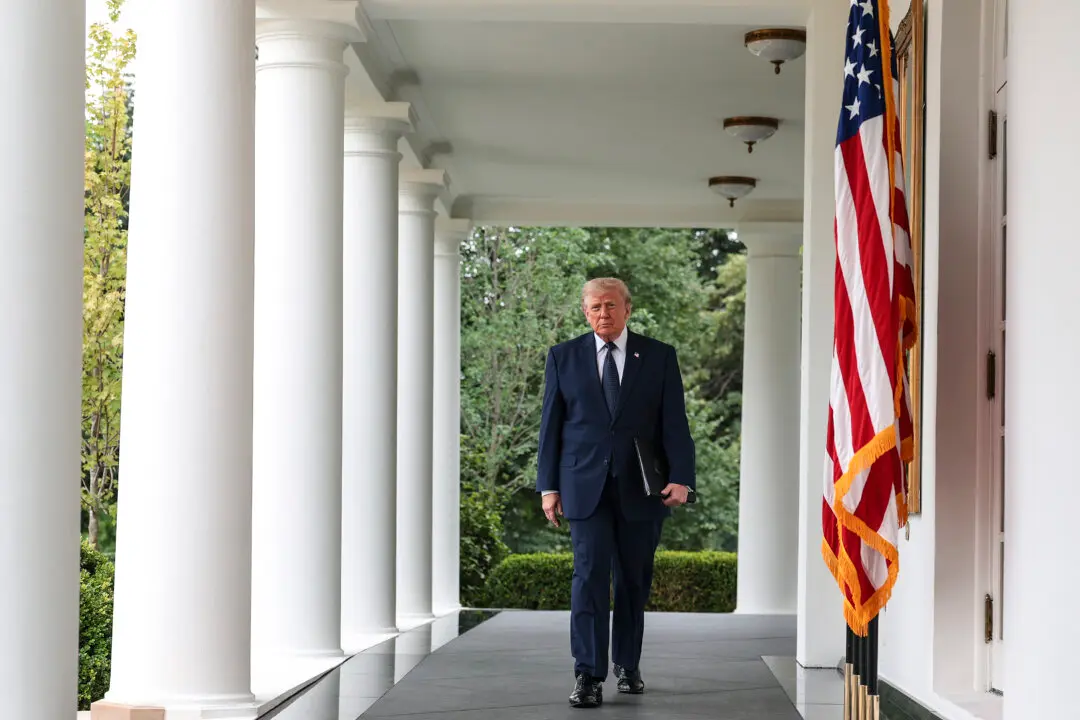
The new Section 232 program allows approved companies import primary aluminum at half the regular rate while they work to expand domestic smelting.
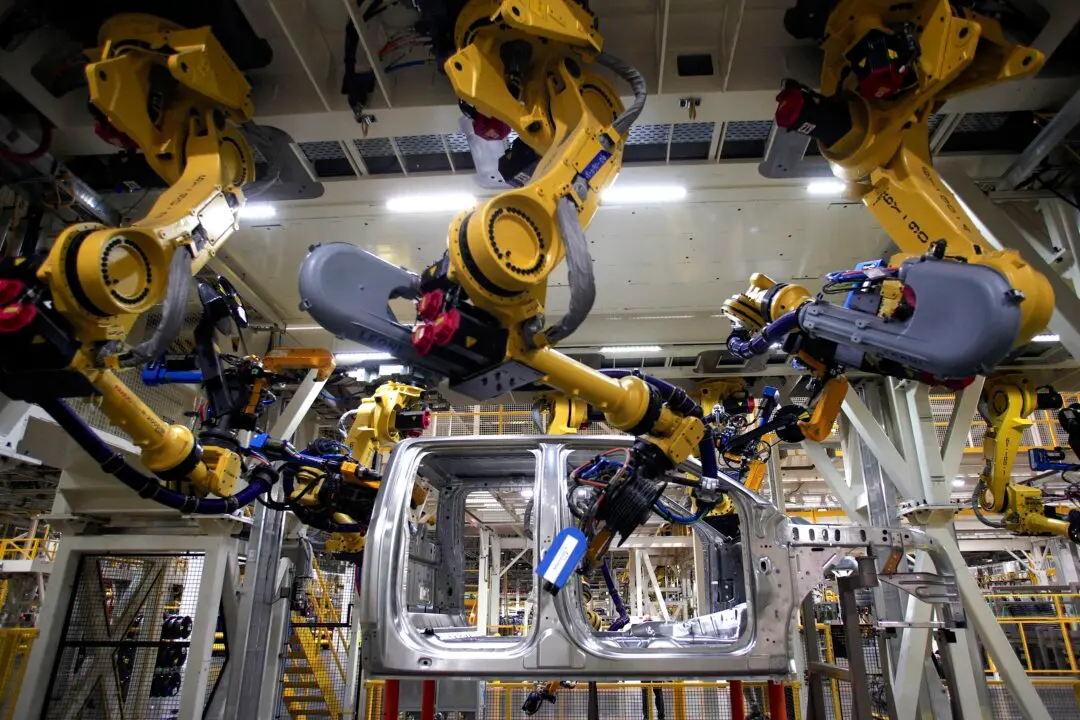
The new tariffs will take effect in 30 days.
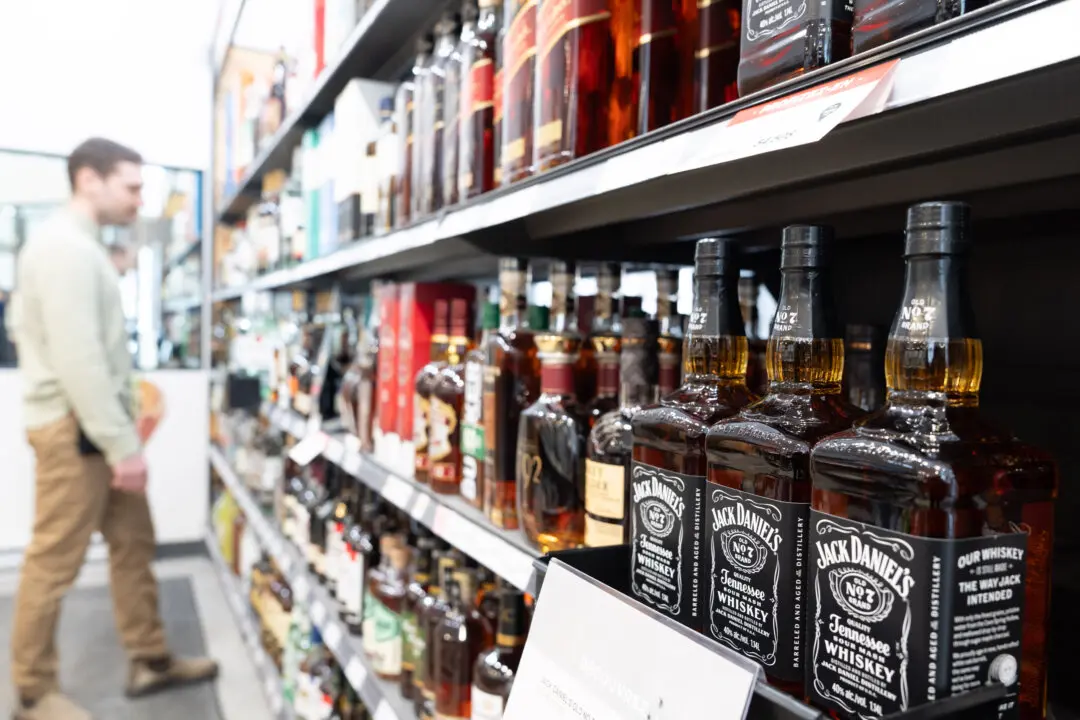
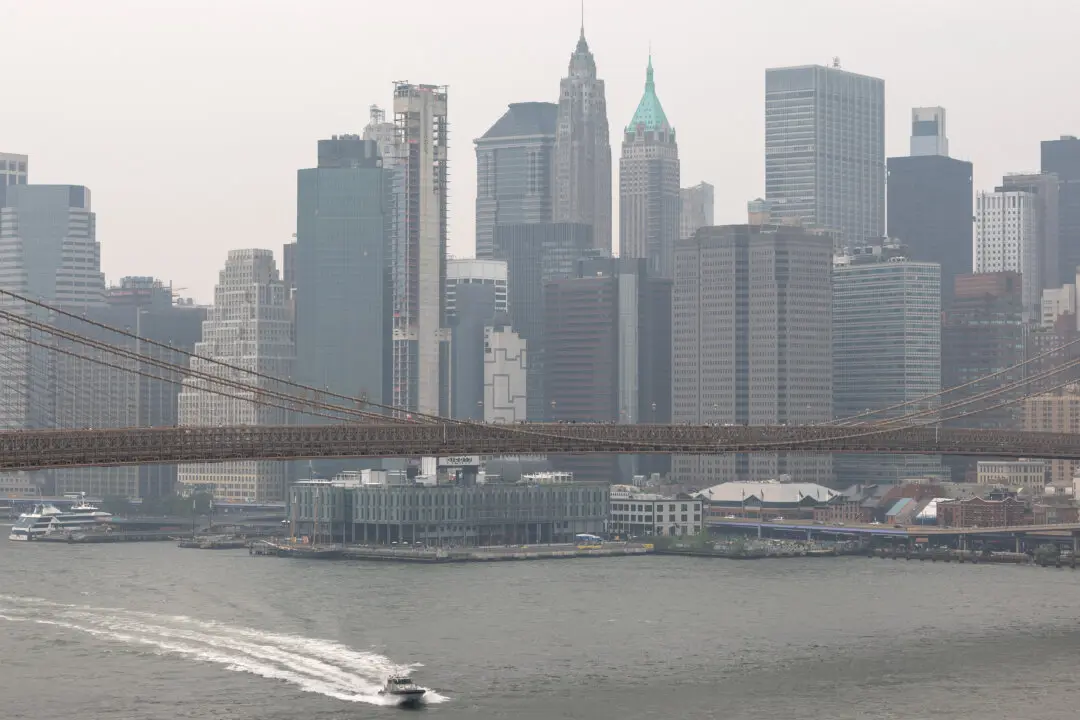
The U.S. president said the cost of smoke pollution from Canadian wildfires must be added to current tariffs on Canada.
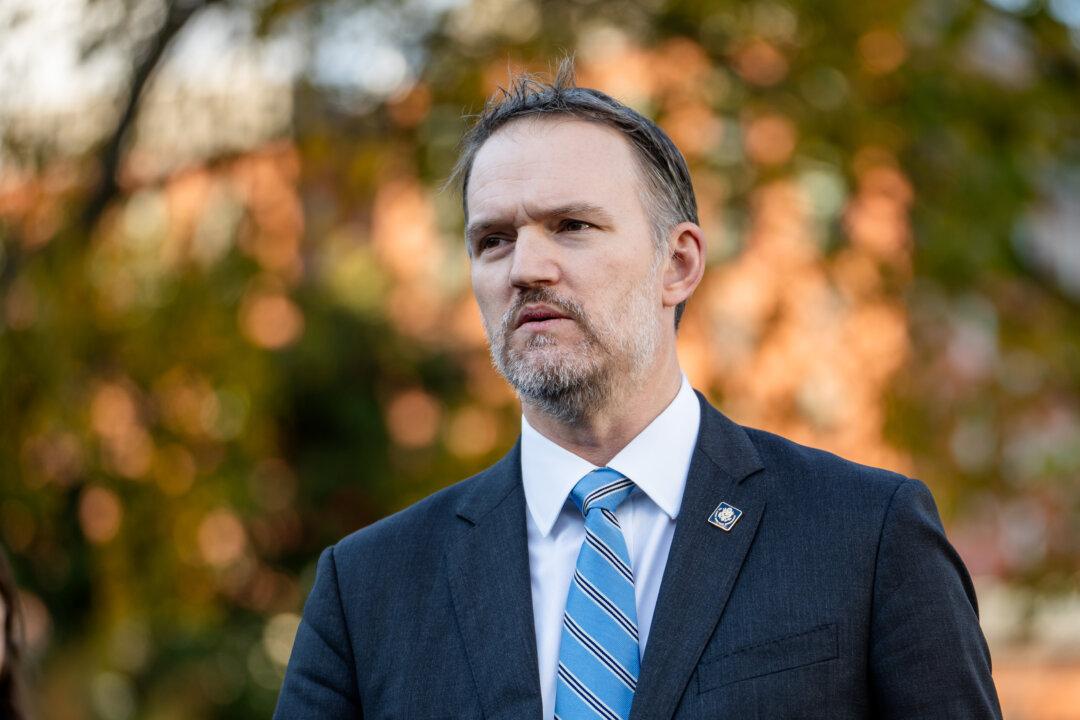
Brazil said there was ‘no justification’ for the measures, vowing a challenge through the World Trade Organization.
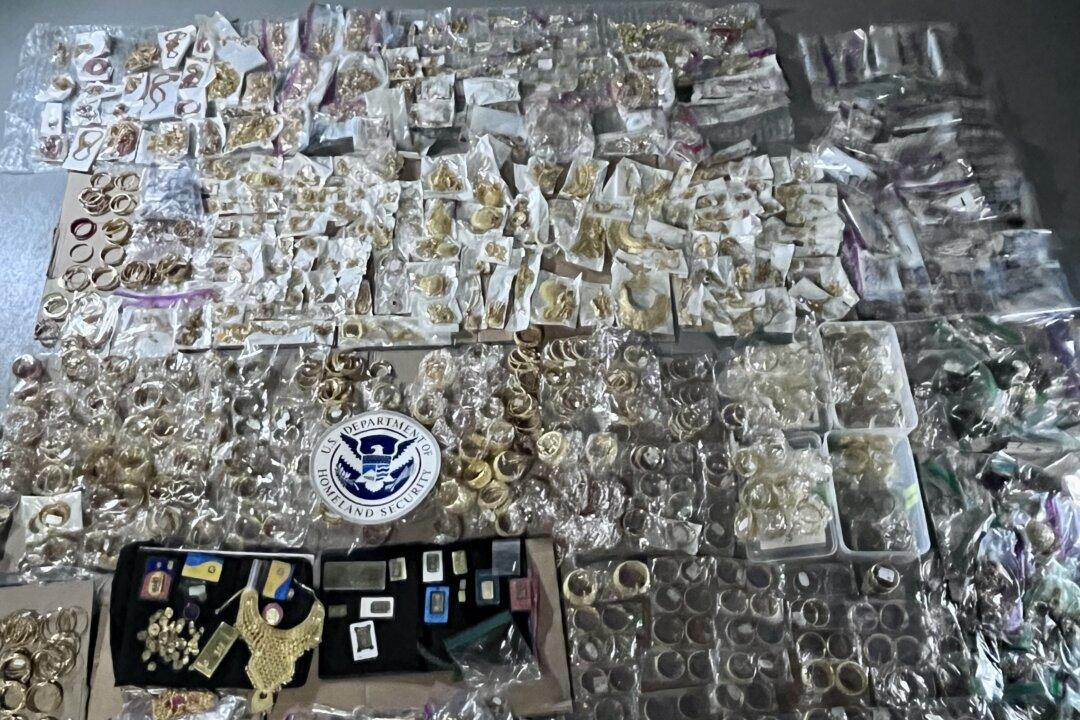
Trade Fraud Task Force has recovered or charged more than $1 billion in civil and criminal recoveries, penalties, forfeitures in under a year.
The Trump administration could impose a 25 percent tariff on imports of several Brazilian products.
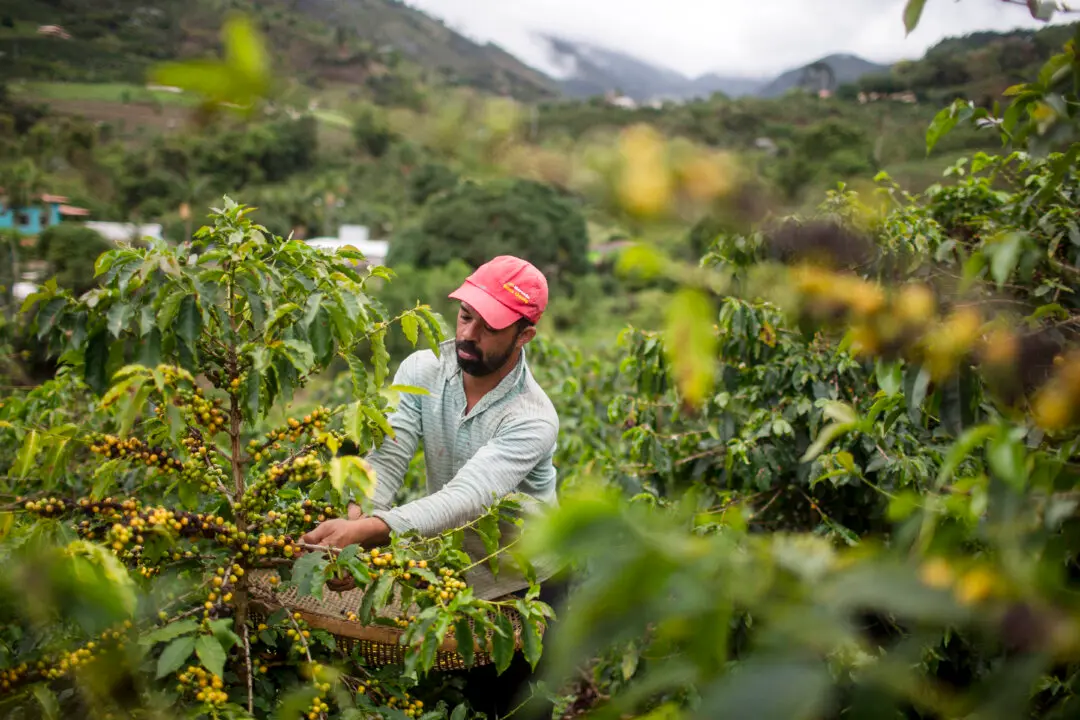
The White House said US phosphate production remains insufficient to meet domestic agricultural demand after accounting for exports.
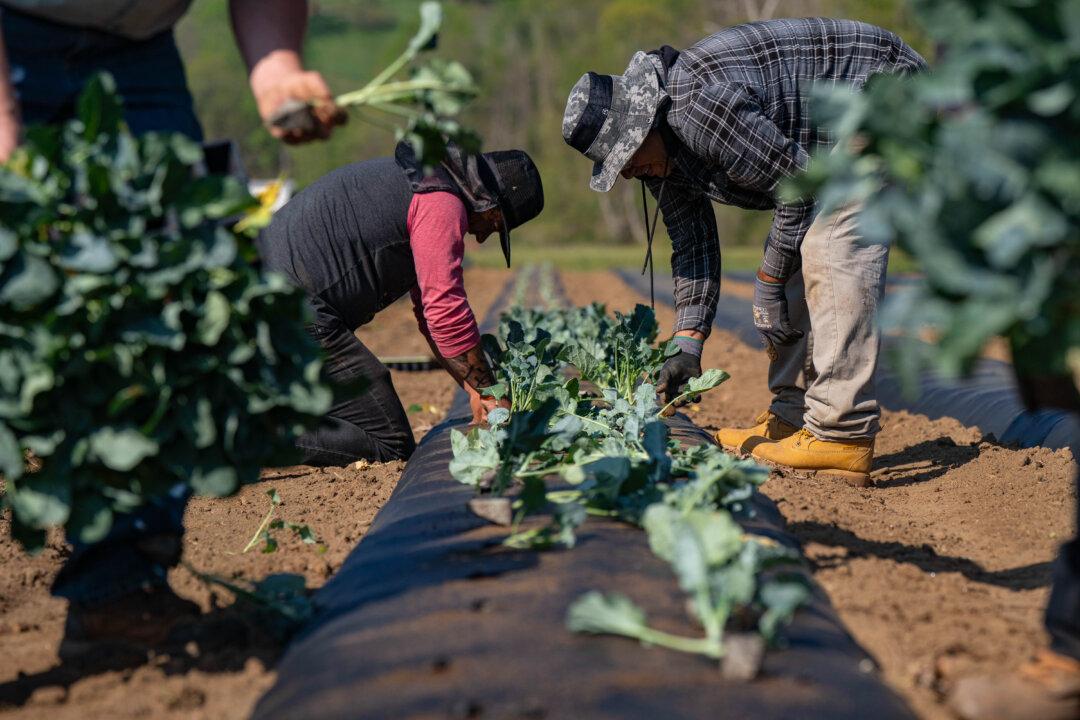
The new tariff would be imposed immediately, the president confirmed.