A new study finds that U.S. President Donald Trump’s tariff policies have generated substantial federal revenue and accelerated a shift away from Chinese imports while having only a minimal overall effect on U.S. economic output.
The Brookings study estimates that the net impact of Trump’s tariffs on U.S. gross domestic product ranged from a gain of 0.1 percent to a decline of 0.13 percent, depending on how trade patterns and prices adjust. This finding suggests that, in aggregate, tariffs neither significantly boosted nor meaningfully harmed overall economic growth in the short term.
Revenue Gains and China Trade Shift
Tariff revenue rose sharply in 2025, accounting for roughly 4 percent to 5 percent of total federal receipts, up from about 1.6 percent over the previous decade, the study found.At the same time, China’s share of U.S. imports fell to about 7 percent by the end of 2025, down from roughly 23 percent in 2017 before earlier rounds of tariffs began.
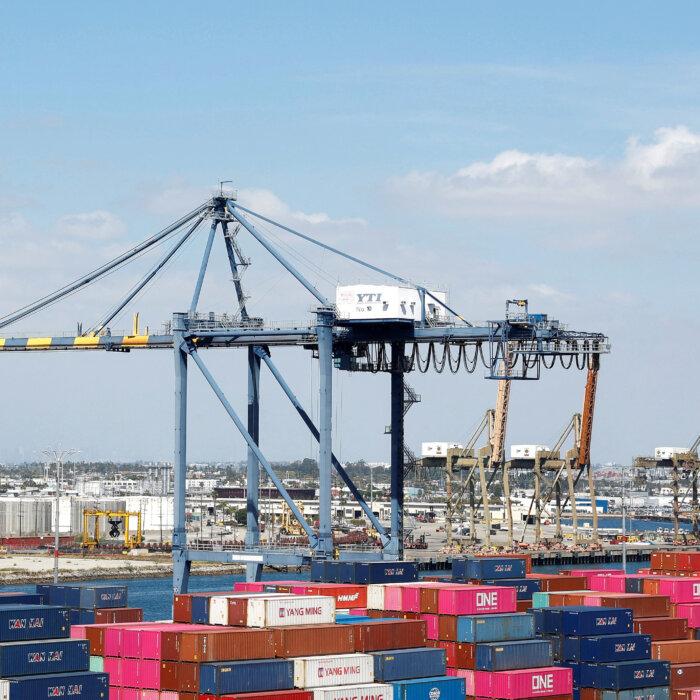
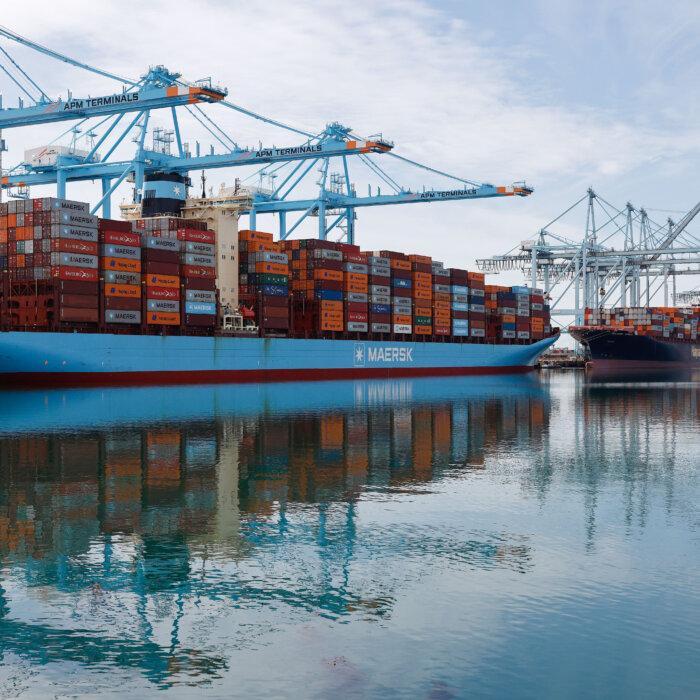
However, the study found that the decline in Chinese imports did not translate into a major reshoring of production to the United States. Instead, trade shifted largely to other countries, particularly in Asia.
The authors said there was little evidence to date that tariffs had boosted domestic manufacturing employment, lowered America’s trade gap, or led to greater relocation of supply chains to countries closely allied with the United States.
Limited Overall Economic Impact
Despite the scale of tariff increases—raising average duties to their highest levels in decades—the overall economic effect remained modest, the study found, with three key factors limiting the tariff impact.First, a majority of U.S. imports—about 57 percent—continued to enter duty-free, with tariffs applying to a relatively small share of total economic activity.
Second, the statutory tariff levels announced often ended up being lower in practice when applied at the border.
Third, the majority of U.S. exports did not face retaliatory tariffs, with the exception of China. This factor muted a common transmission channel of trade war pain.
Although the study found that higher import prices imposed costs on consumers and businesses, those losses were offset by increased government revenue and wage gains in some protected industries.
The authors estimated that about 80 percent to 100 percent of tariff costs were passed through into higher prices, with a baseline projection of about 90 percent.
That finding aligns with separate research from the Federal Reserve Bank of New York showing that most of the tariff burden is borne domestically, as well as business surveys indicating that firms often face higher input costs even when they delay passing them on to customers.
The Brookings study comes amid ongoing legal and policy debates over the future of U.S. tariffs.
Future of Tariffs
Trump has criticized the rulings but signaled that he will continue pursuing tariffs through other legal channels.On March 4, Treasury Secretary Scott Bessent said it was his “strong belief” that tariff rates would return within five months to the levels in place before the high court’s decision.
Prior to the reversal of the administration’s reciprocal tariffs, the White House was narrowing the country’s month-to-month trade deficit.
Despite changes to the administration’s trade agenda, tariff income continues, according to Treasury Department data.
As of March 23, monthly tariff revenues exceeded $23.4 billion, far higher than what was recorded at the same time in February.
The first investigation under Section 301, initiated on March 11, focuses on addressing trade practices related to excess capacity and production in manufacturing sectors. The trading partners subject to this investigation are China, the European Union, Singapore, Norway, Indonesia, Malaysia, Cambodia, Thailand, South Korea, Vietnam, Taiwan, Bangladesh, Mexico, Japan, and India.
The second investigation, launched on March 12, focuses on imports produced with forced labor and targets roughly 60 countries. The investigation could result in a ban on imports of such goods.
Section 122 allows the president to implement a tariff rate of up to 15 percent on countries that maintain “large and serious” trade surpluses with the United States. The measure also authorizes the president to introduce limits on the volume of foreign goods entering the country. Such tariffs, however, may be imposed for no more than 150 days. Extending them would require congressional approval, which may be difficult to secure as the midterm elections approach.
U.S. Trade Representative Jamieson Greer told reporters on March 11 the administration is focused on completing the Section 301 investigations “as quickly as possible,” aiming to reach a conclusion before the Section 122 deadline.