Energy disruptions related to the Middle East conflict risk a recession-like slowdown and elevated price pressures.

Investor sentiment weakened as Iran denied negotiations and renewed strikes with Israel, keeping oil elevated and equities under pressure.

Consumers remained cautious on big-ticket spending, but expectations for household finances reached their most positive level in nearly a year.

‘If the Fed brings down mortgage rates, then they can end this housing recession,’ the US Treasury secretary said.
The gain reflected stronger views of job availability and modestly improved perceptions of business conditions.

The market outlook remains positive and has now become earnings-driven, which should propel the market into the year end, outside of any Black Swan event.

The latest CEO survey found that the top fears among leaders include geopolitical instability and cyber threats.

Moody’s said debt, slowing wage growth, and fading job creation are squeezing lower- and middle-income households despite strong headline numbers.

The slowdown in borrowing suggests households may be shifting from credit-fueled spending to greater caution.

Jamie Dimon says the outlook remains unclear, as consumers appear less confident while corporate profits remain resilient.

He cites tariffs and a ‘highly restrictive immigration policy’ as reasons for a probable economic downturn.

Optimism about future conditions improves, but rising perceptions of job scarcity temper the rebound.

The White House meeting came amid intensifying pressure from the president to ease monetary policy as inflation has fallen.

The loss of profit in the banking sector indicates an all-round economic slowdown, even a stall, an analyst said.
There’s lots of talk in the financial space about a potential recession. What should you do?
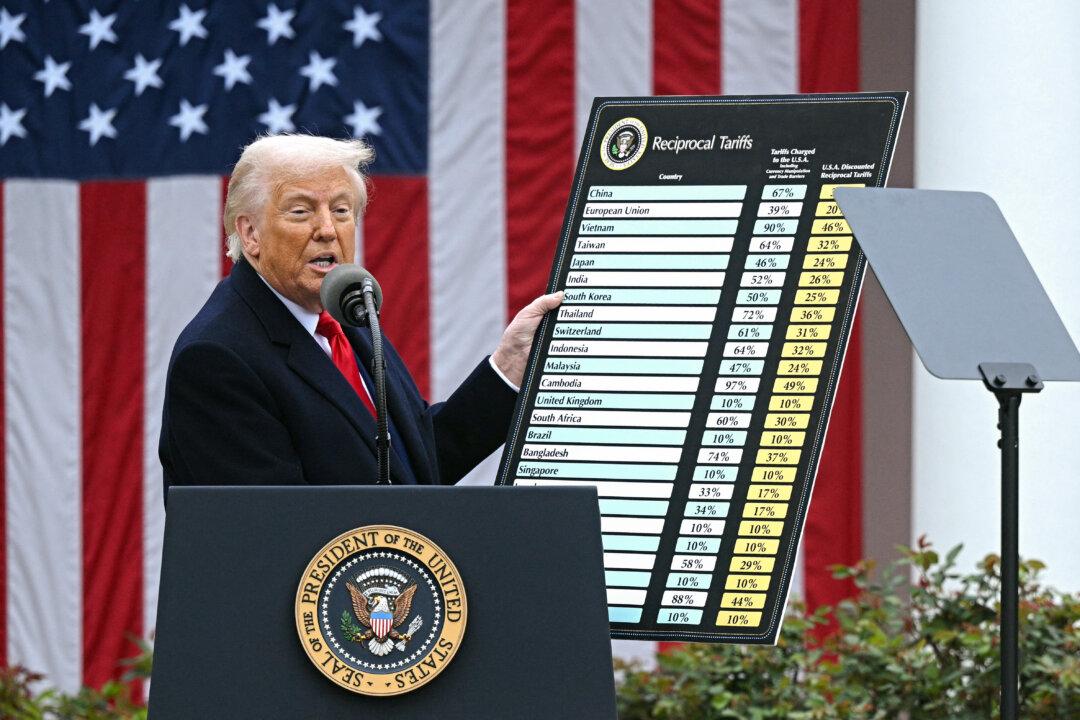
Secretary Bessent pointed out that retail trading has been light since the tariffs were announced and that the volatility was primarily institutional in nature.
Production stayed in growth territory last month even as orders shrank, costs rose, and confidence sank to a five-year low.

President Trump’s Truth Social has emerged as perhaps the most important “tip sheet” for stock market timing.

The company also cut summer capacity on recession fears.