
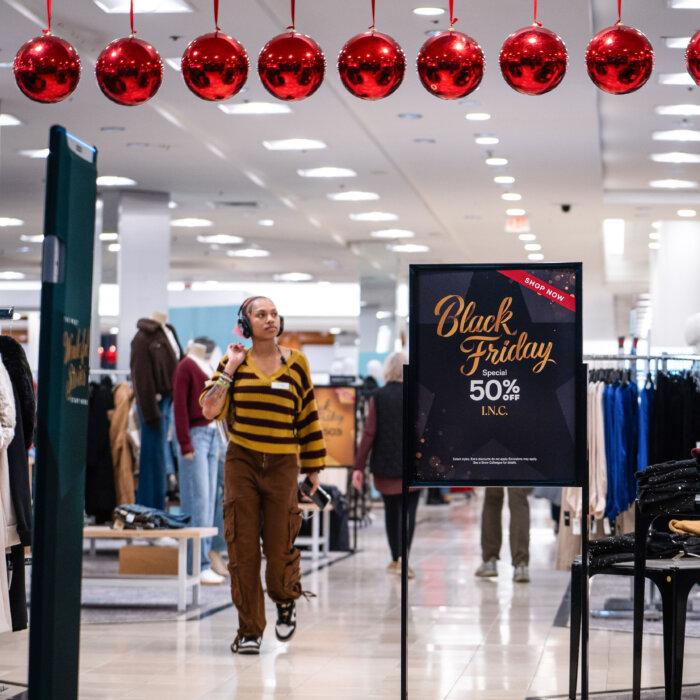
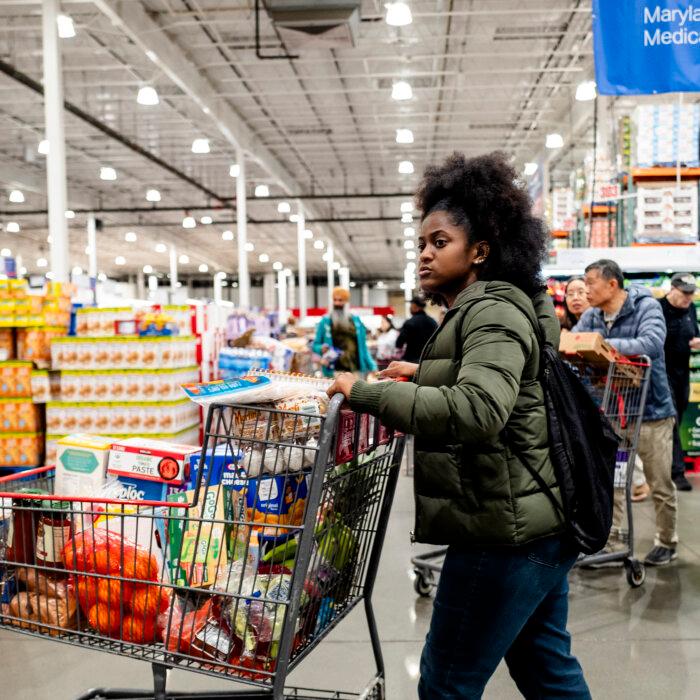
U.S. consumers grew more hopeful about their future financial prospects in December and edged away from worst-case recession fears, even as overall confidence slipped for a fifth straight month, according to a Dec. 23 report from the The Conference Board.
Expectations for families’ future financial situations climbed to their most positive level since January, even as assessments of current finances turned negative for the first time in nearly four years. At the same time, consumers became more optimistic about stock prices, while inflation expectations pulled back following a November uptick.
“The responses continued to skew pessimistic but less so than November,” said Dana Peterson, chief economist at The Conference Board, citing fewer negative comments about prices, inflation, and politics, alongside a rebound in positive sentiment around interest rates following the Federal Reserve’s third rate cut of the year.
Confidence Dips, Outlook Stabilizes
The Conference Board’s Present Situation Index—which measures consumers’ assessment of current business and labor market conditions—fell sharply by 9.5 points, to 116.8, as views on business conditions turned negative for the first time since September 2024. The share of consumers describing jobs as “plentiful” declined to 26.7 percent from 28.2 percent in November, while those saying jobs are “hard to get” ticked up by 0.7 points, to 20.8 percent.By contrast, the forward-looking Expectations Index held steady at 70.7. While still below the 80 threshold that historically signals recession risk, the stability marked a pause after months of deterioration. Consumers grew moderately less pessimistic about business conditions six months ahead, with fewer respondents expecting conditions to worsen.
Labor Market Signals Mixed
The survey’s cautious tone on jobs aligns with mixed but resilient labor market data released this week. Initial jobless claims fell for a second straight week, declining by 10,000 to 214,000 for the week ending Dec. 20, according to the Department of Labor. The reading came in below economists’ expectations and pushed the four-week moving average slightly lower.Claims data have been volatile amid holiday distortions and the effects of a prolonged government shutdown, but economists say the trend still points to a labor market that is cooling gradually rather than cracking.
“Continued claims remain at a level consistent with a slow pace of hiring but aren’t sending a signal that hiring conditions have gotten worse,” said Nancy Vanden Houten, lead U.S. economist at Oxford Economics.
The labor market remains locked in what some economists and policymakers have characterized as a “no hire, no fire” mode.
“Unless companies actually fire workers, the economy will continue to move forward at a moderate pace,” said Christopher Rupkey, chief economist at FWDBONDS.
Inflation Cools, Markets Brighten
Inflation trends continue to support the improving outlook on household finances. Consumer inflation eased to 2.7 percent in November, while core inflation slowed to 2.6 percent—the lowest reading since early 2021—bolstering expectations that price pressures may have peaked.In the Conference Board survey, consumers’ median and average 12-month inflation expectations both declined in December. Expectations for stock prices over the next year turned the most positive since January 2025, reflecting growing confidence that rate cuts and easing inflation could support markets.