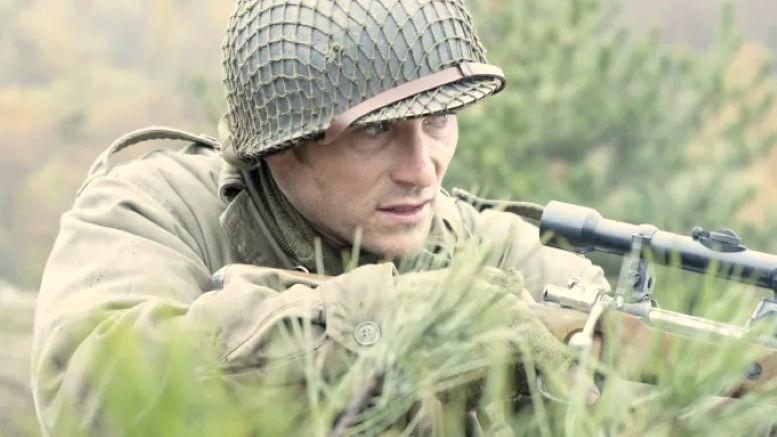
Depending on the source, George Washington has been depicted in various forms of media (documentaries, features, TV, the stage, and video games) between 30 and 95 times. In some instances, he’s the lead character; in others, he’s sometimes brief and fleeting.
Virtually all of them put the spotlight on his part in the Revolutionary War or his time as the first president of the United States.
If for no other reason, “Young Washington” deserves high marks for sticking only to Washington’s life as a child through his service in the French and Indian War (1754–1763). This is significant for a few reasons.
Most people know nothing about this part of Washington’s life. The movie clears up some misconceptions regarding all of the belligerents in the French and Indian War. It also sheds light on the little-known details of Washington’s first serious romantic crush and the rampant class warfare of the mid-18th century.
No Surrender
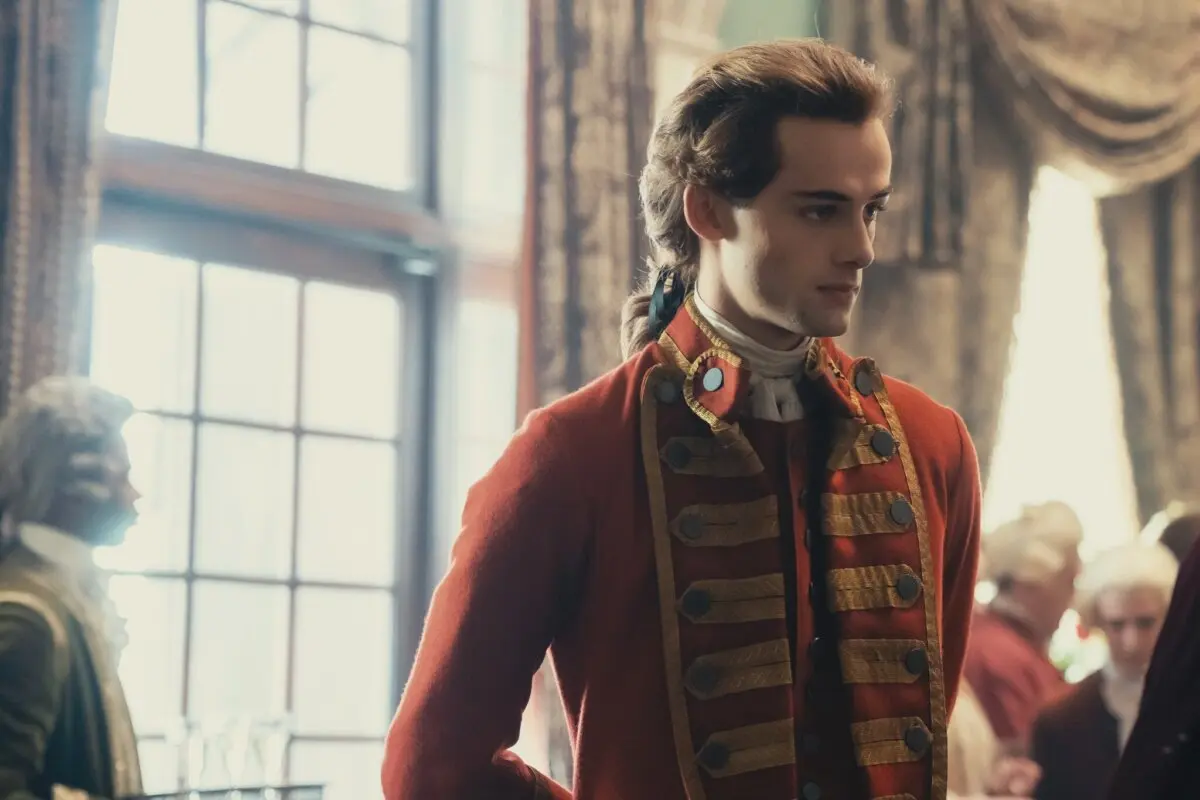
George Washington (William Franklyn-Miller) is an aide-de-camp to British Gen. Edward Braddock (Andy Serkis). During what appears to be a heavy-sided loss to French forces, a colleague tells him to retreat. Washington pauses.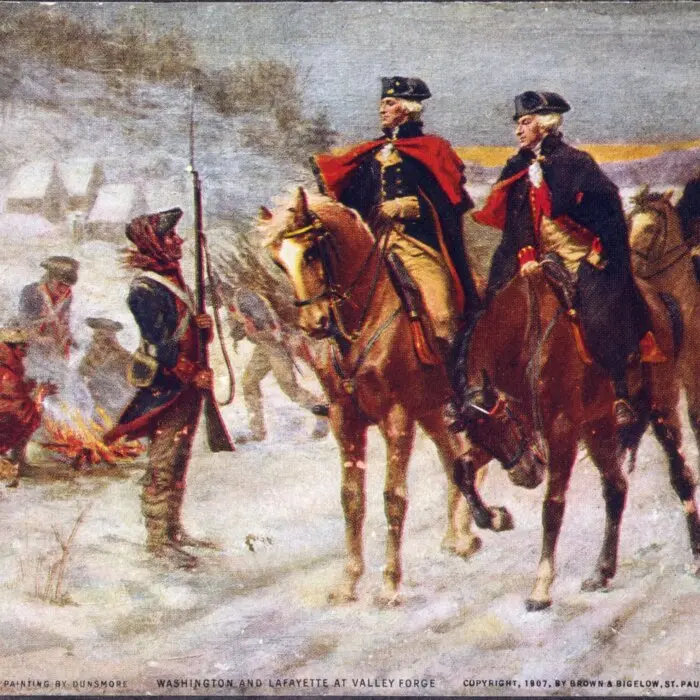
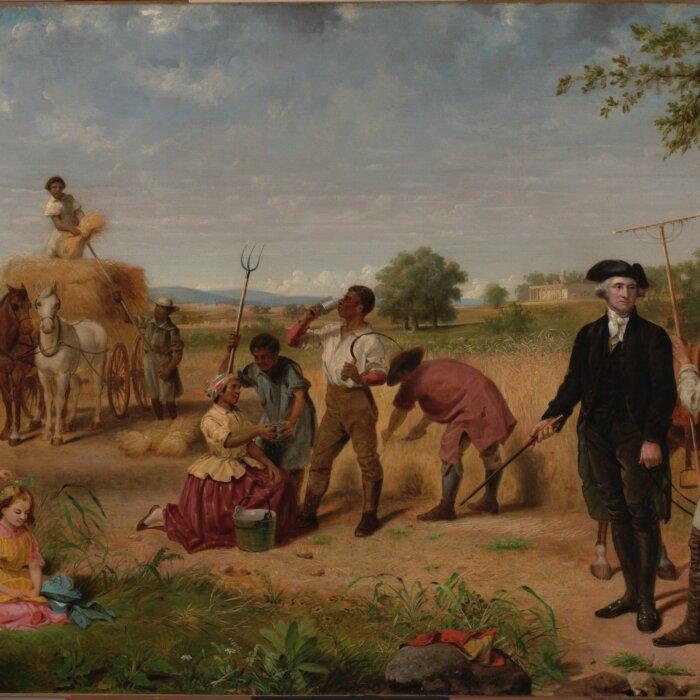
The story then switches to 1743 where his 12-year-old self (Will Joseph) is still in mourning for the recent death of his father. His much older half-brother Lawrence (John Foss), whom he didn’t even know existed before this, consoles him.
Lawrence becomes an immediate father figure by lending his little brother books on history, politics, war, and the arts while mentioning in passing his recent marriage to Anne, the eldest daughter of William Fairfax (Joel David Smallbone).
Party Crasher
Washington starts by “crashing” a party at the Belvoir (Virginia) estate of William’s cousin Lord Fairfax (Kelsey Grammer). He’s impressed with Washington’s pluck and persistence, so much so that he grants Washington’s request to survey and map his considerable property in the Ohio Territory.Along with Baltimore native Christopher Gist (Leo Hanna), Washington makes great progress in his surveying until a testy run-in with some Native Americans who hate the British but hate the French even more.
Again, exhibiting resourcefulness and authentically charming persuasiveness, Washington requests and receives an audience with Robert Dinwiddie (Ben Kingsley), the de facto head of the Virginia colony, to secure a ranking position in the military.
Dinwiddie is quick to point out that he agreed to the meeting only because he knew of Lawrence (the first overseer of Mount Vernon), and makes it clear he’s hard to please. Washington has little wiggle room for failure and limited time to prove his worth and loyalty—to the British Crown.
For Erwin, this movie allowed him to stretch beyond his previously limiting “Christian-based” comfort zone. There is no mention or even an inference, pro or con, to religion here. There’s also no anti-British position.
That’s Impressive
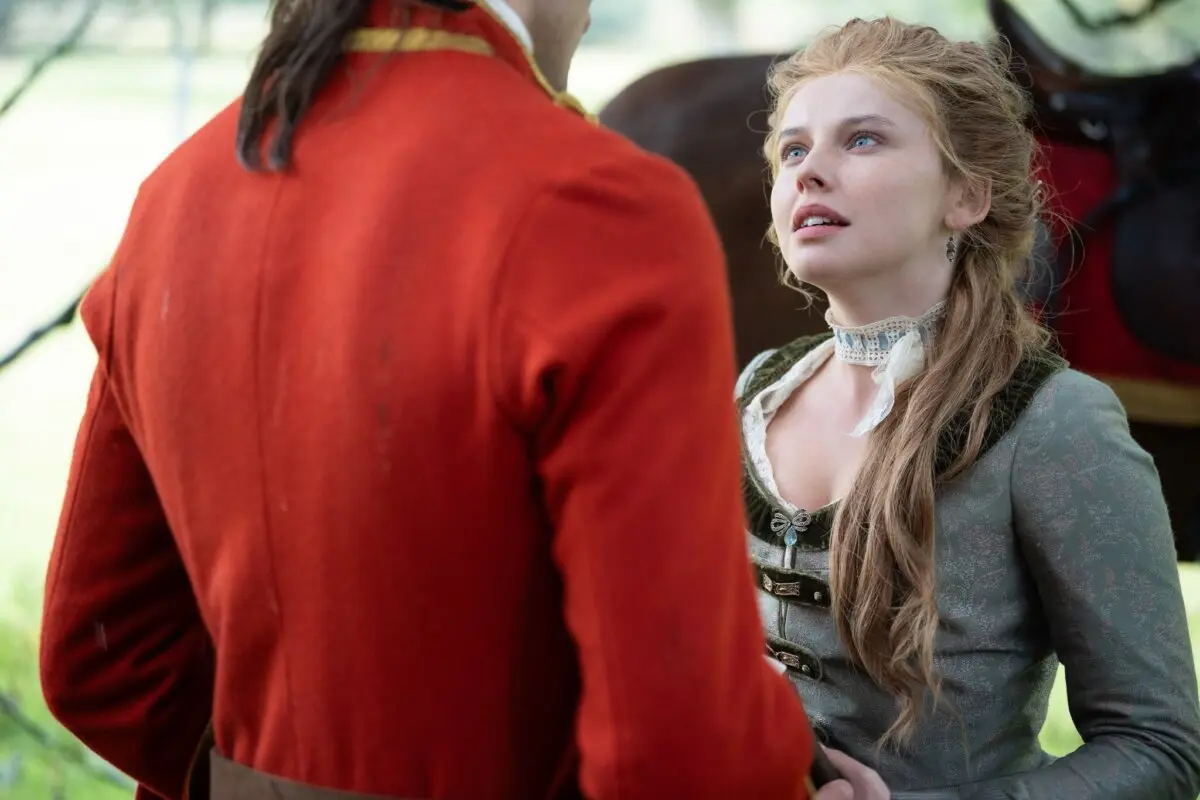
What’s also impressive is Erwin’s decision to cast a relative unknown as the father of our country. It’s actually a masterstroke. Placing anyone with baggage—good, bad, or indifferent—would have tainted the expectations.
Granted, Franklyn-Miller is “model-ready” and is probably better looking than the man he actually plays. But putting a big name in the role would have raised expectations, probably for the worse.
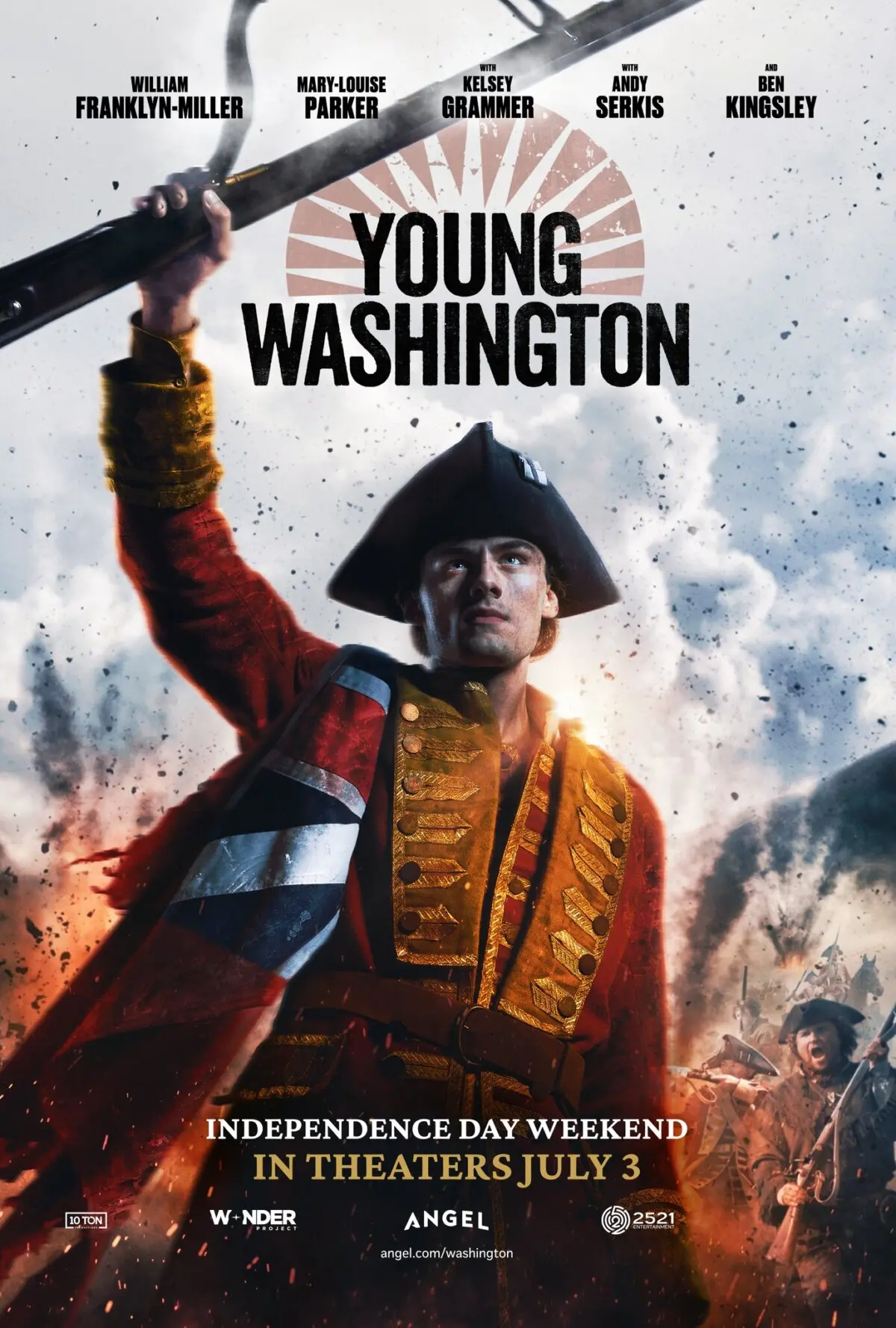
On the flip side, casting Kingsley, Grammer, and Serkis in their roles, and Mary-Louise Parker as Washington’s mother, Mary, was equally as stealthy. These are names (not fully A-list, but A-list-adjacent) that will grab enough people’s attention to raise interest. It also doesn’t hurt that the movie is being released on the day before the nation’s 250th birthday.
If Angel Studios is smart, this will be the first installment of a trilogy, followed by “General Washington” and “President Washington,” with the latter two released at the same time in 2028 and 2030. There’s no reason that authentic patriotism can’t also coincide with timely marketing.