R | 2h 3m | Drama, Action, Mystery, Folklore | 2026
One of the least known and underappreciated of all microgenres, the “revisionist history” is also one of my favorites. Although there are close to 100 of them (according to IMDb, formerly Internet Movie Database), there is only a handful or so that are worthwhile: “Forrest Gump,” “Braveheart,” “Inglourious Basterds,” “Argo,” “Corsicana,” and “Once Upon a Time in ... Hollywood.”
The quick definition of a revisionist history movie: One or more historical events are reimagined within the context of an original, fictional story.
I would really love to label “The Death of Robin Hood” (“The Death”) as revisionist, but it’s not. With origins dating back to the 13th century, the Robin Hood character has seen many incarnations in print, on stage, and on screen—all of them works of pure fiction.
Since 1908, there have been well over 100 features, shorts, and TV productions based on the character. What’s worth noting here is that all of these versions portray Robin Hood as an outgoing, unselfish champion of the common man who “steals from the rich and gives to the poor.”
This portrayal is not your father’s or even your grandfather’s Robin Hood. In the capable hands of third-time feature writer-director Michael Sarnoski (“Pig”), “The Death” shatters any previous incarnations of the fable. Opening in 1247 in an undisclosed location (likely England, but shot in Northern Ireland), the movie immediately suggests the start of “Braveheart.”

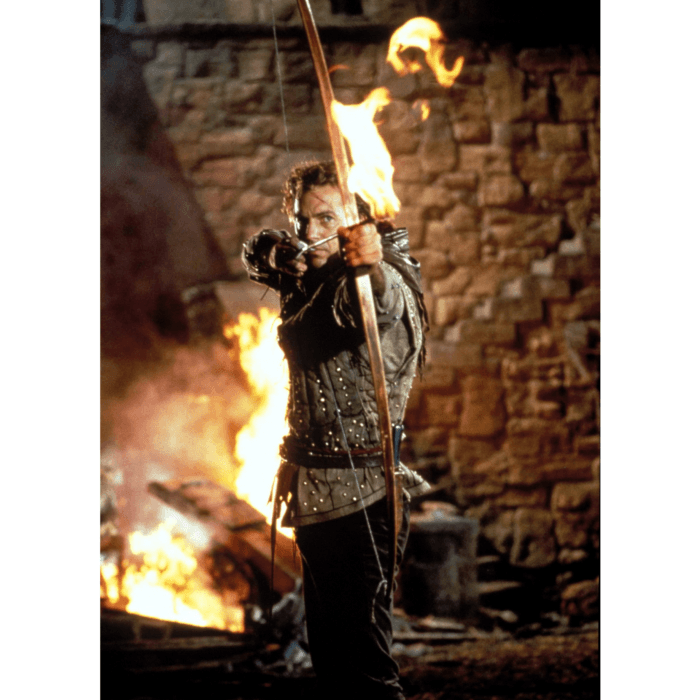
Amidst boulder-strewn mountains engulfed in near-frozen fog, a graying, long-haired, and battle-worn Robin (Hugh Jackman) offers (temporary) pity on a starving and weary soul. She smells his campfire and asks for a portion of whatever’s on the spit; it appears to be rabbit.
Robin obliges her, and she rewards him by trying to murder him in his sleep. Before he kills her, he mentions that her body odor and pronounced ill footing signaled him of her arrival and then dispenses with her in a manner that most of us would rid ourselves of household bugs.
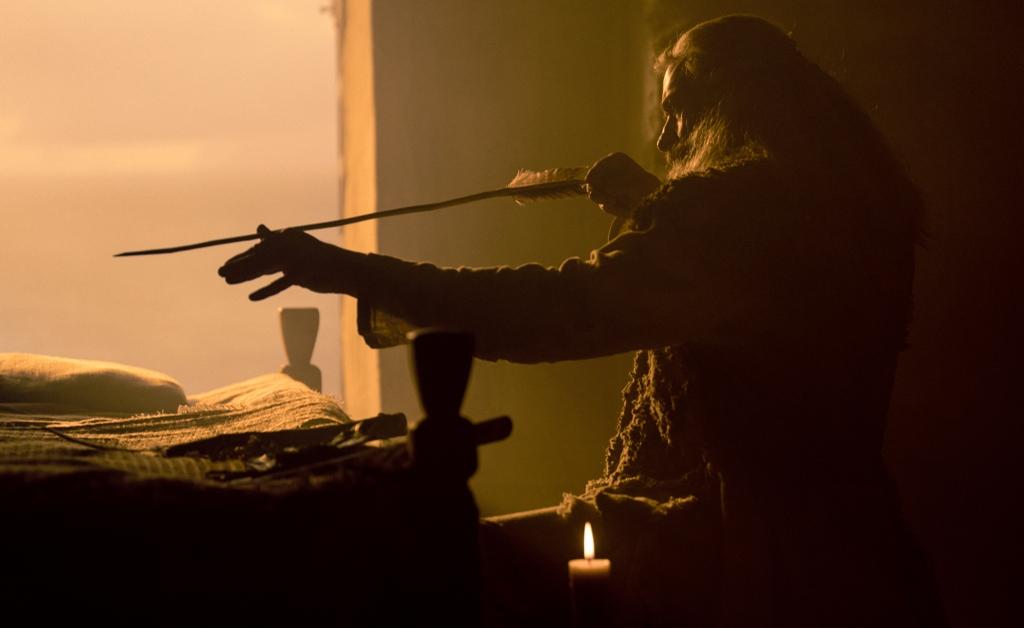
This is the first indicator that Jackman’s Robin is an all-business, no-nonsense kind of guy. Be receptive and appreciative, and you’ll remain vertical. Trust him, and he’ll be hospitable. Threaten him in the least, and he will end you without quarter or second thought.
As it turns out, this would-be assassin is only one of many who seek retribution. The relatives of Robin’s past victims are actively and forever seeking him out for payback. He’s keenly aware of this, which keeps him perpetually on edge.
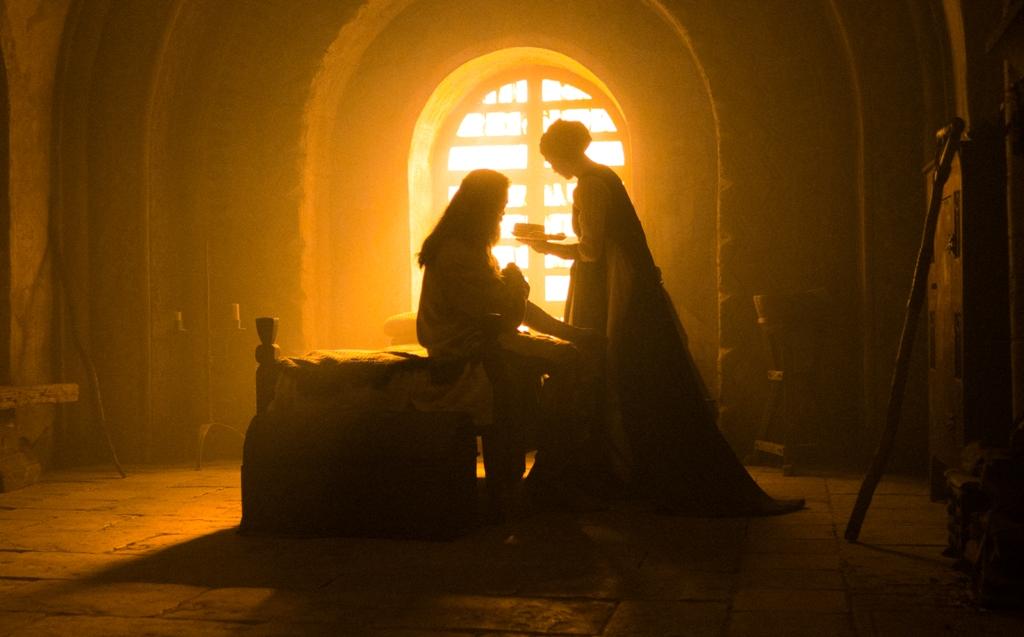
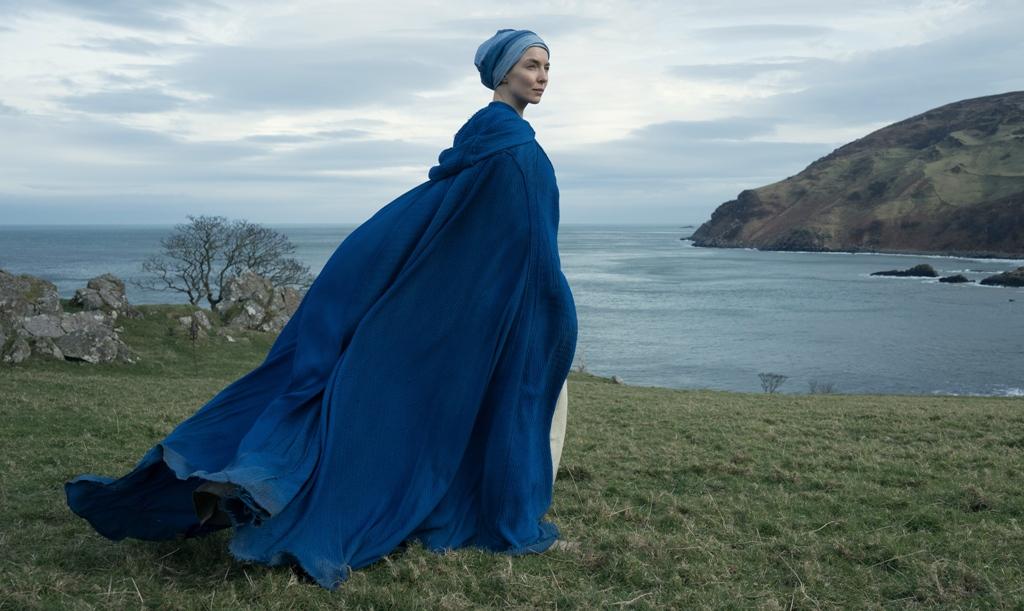
After a particularly nasty exchange with one such clan that leaves him in a pulp state and comatose, Robin wakes in the care of the nun Sister Brigid (Jodie Comer) on what appears to be a remote island.
Earn the Respect
What becomes instantly clear is Brigid’s intent to help Robin heal but without kid gloves; it’s something he admires. If he is to remain a resident, he’ll have to earn his keep. This, again, he admires about her. They develop a mutual, if shaky, respect for each other.This relative idyllic existence is short-lived, first with the arrival of a troubled child named Margaret (Faith Delaney, “Hamnet”) and the ominous wounded drifter Godwyn (Noah Jupe, also “Hamnet”). These new additions cause Robin to slip back into cautionary mode.
Lacking Contrition
Sarnoski walks a tenuous tightrope for the duration by painting Robin as a man not looking to right his past wrongs, not caring about his many sins. He comes to terms with everything without contrition. He admits his sins but does not ask for forgiveness or absolution.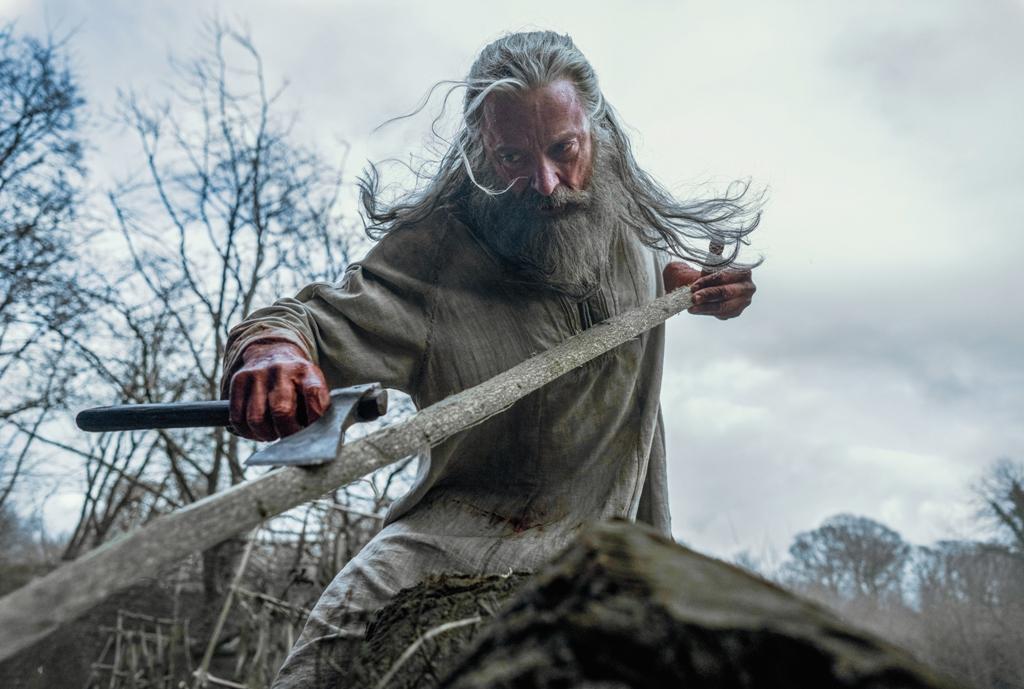
Interested viewers should take note: The movie is very violent, yet it’s no more graphic than what was displayed in similarly themed past antihero productions such as “Unforgiven,” “The Green Knight,” “Braveheart,” and “Gladiator.”
Closely akin in spirit and approach to his turn in “Logan,” Jackman’s Robin Hood isn’t pleased with the man he turned out to be. But he is also beyond second-guessing his choices. He’s not remorseful, but he certainly acknowledges the tumultuous consequences of his dubious past actions.
As the second half starts, Robin does something that resembles turning a new leaf. He abandons his evil ways and becomes the protector of Brigid, the Leper, Margaret, and several other displaced children. He stops being a bad man and chooses to be, if not a good one, an honorable one.
For a man with that dark a past, it is indeed a step in the right direction.