Winter Prep for Yard Tools

A thorough cleaning and inspection will ensure your outdoor tools work properly next spring.
Winter Prep for Yard Tools
Yard tools should be inspected annually to keep them running in top shape. (Budimir Jevtic/Shutterstock) Budimir Jevtic/Shutterstock
|Updated:
0:00
There’s nothing guaranteed to raise the blood pressure faster next spring than tugging on a pull cord or pressing a start button and having nothing happen. When it comes to outdoor power tools and the other items so essential to al fresco living, such as gas grills and patio heaters, proper care helps to prolong their life, avoid costly repairs, and improve their reliability. Even electric tools—which are uber-popular as they remove the many problems associated with gasoline—may need a bit more than just a fast wipe-down.

Mower Maintenance

All lawn mowers—whether electric (battery or corded) or gas, push-style or riding—will need a thorough cleaning. Keep an eye out for loose or broken parts or other damage while doing so.

This is also a good time to sharpen the mower blade. Completely disconnect the power source, battery, cord, or spark plug in a gas-powered motor. Ideally, the gas tank should be drained as well. Mark the bottom of the mower blade before removal to make sure it is reinstalled correctly, then remove the blade nut with a ratchet and socket. Some elbow grease may be needed; if that’s the case, use a piece of scrap wood to brace the blade in place and clamp it tight for additional leverage, or, after applying a dash of penetrating oil, let it sit for a few hours to loosen.
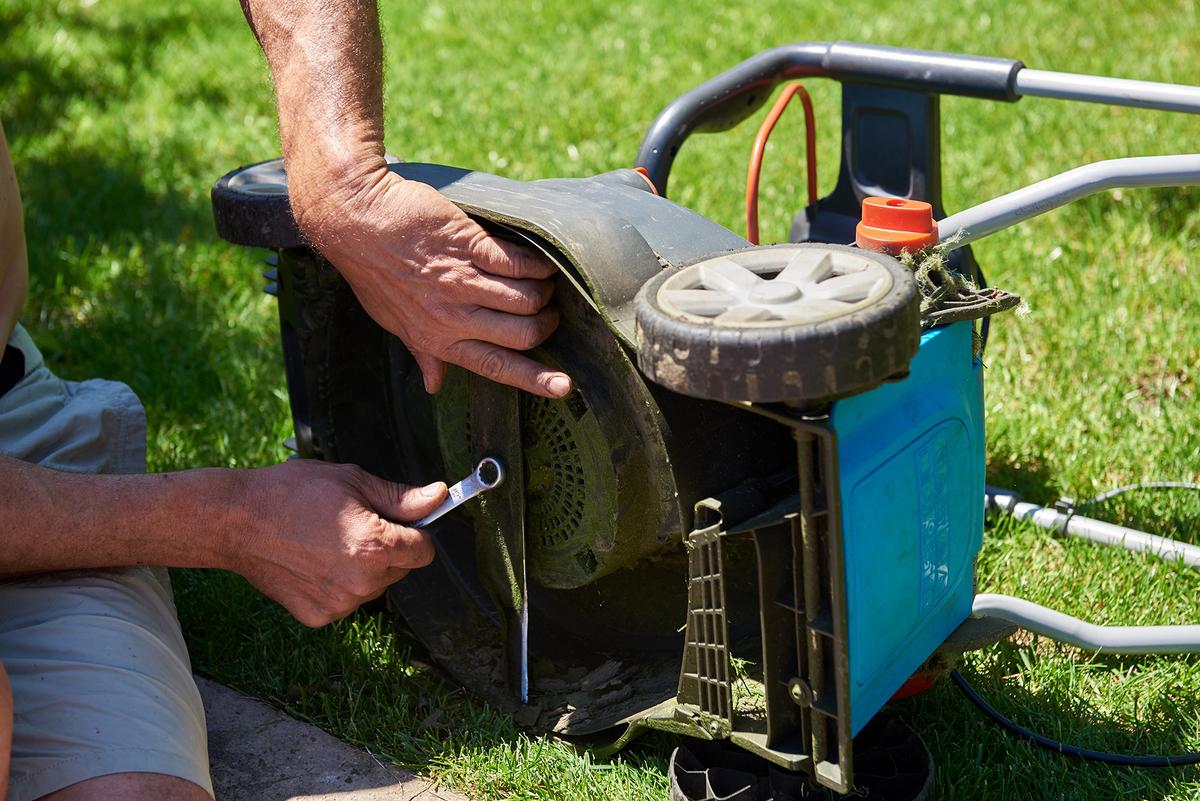
Caring for the mower blades extends the life of the lawn mower and ensures the grass is cut cleanly. (O_Zinchenko/Shutterstock)
Caring for the mower blades extends the life of the lawn mower and ensures the grass is cut cleanly. O_Zinchenko/Shutterstock
Hose it down, using a stiff brush to remove particularly tough, caked-on debris. Check the blade for bends or large chunks missing, and replace it if needed. If it’s just dull, nicked, or lightly chipped, sharpen it with a metal hand file, a mechanical blade sharpener, or a bench grinder until it’s butter-knife sharp.

The Fuel System

When it comes to winterizing gas-powered machines, owners have two choices: Run the mower until it is empty, or run the mower until empty and then refill the tank with fresh gas and a fuel stabilizer. The first option doesn’t prevent deposit formation in the carburetor.

It’s important to run the engine for two to three minutes in order to distribute the stabilizer through the carburetor. Next, remove the oil filter, drain the oil, refill with new oil, and install a new filter. Remove and inspect the air filter, clean off dust and debris, or replace it if needed. Spray the now-exposed air intake with fogging oil in 10 1-second bursts while the engine is running, finishing with one large burst. It’s OK if the engine stalls. Lastly, inspect the spark plugs, and clean or replace as needed.
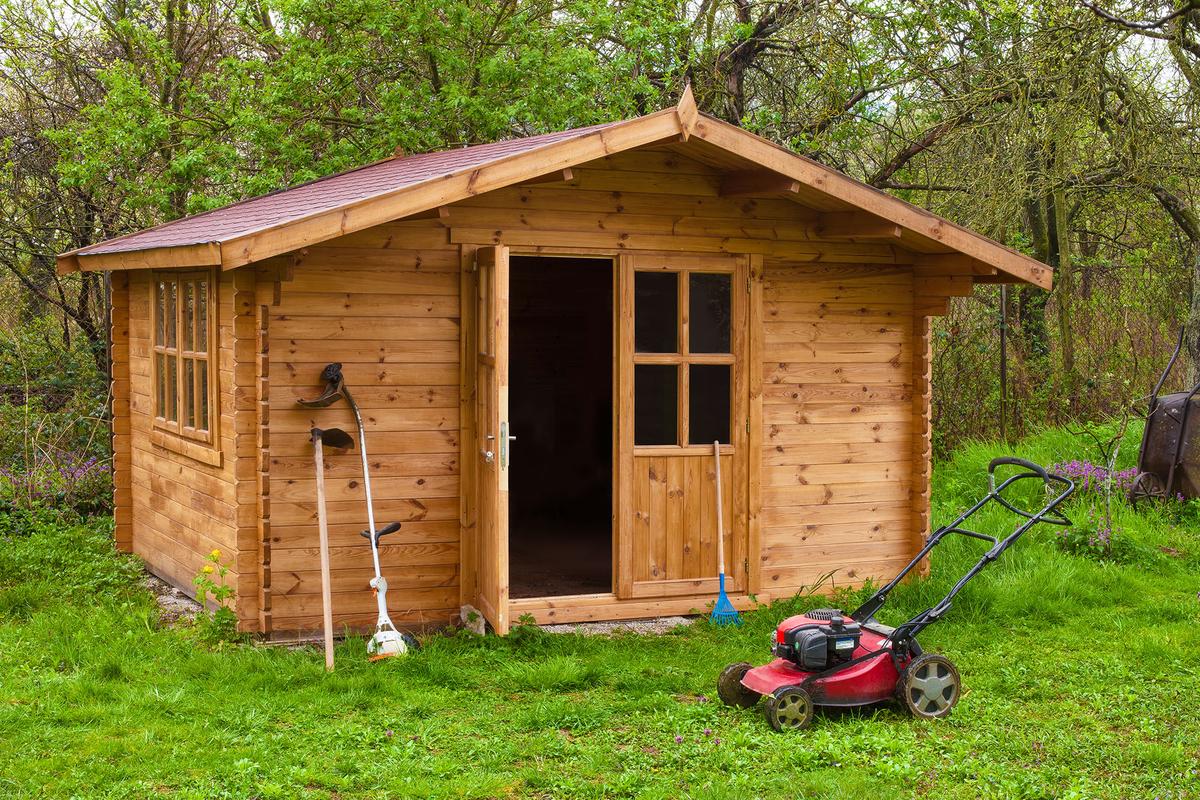
Winterizing the lawn mower will prevent deposits from forming in the carburetor or the various parts from wearing out. (Peter Vanco/Shutterstock)
Winterizing the lawn mower will prevent deposits from forming in the carburetor or the various parts from wearing out. Peter Vanco/Shutterstock

Smaller Engines

Winterizing a string trimmer, leaf blower, and chainsaw also starts with a thorough cleaning and inspection, tightening things up, and making any repairs or replacements as needed. This is also the time to sharpen or replace the chainsaw blade and consider replacing a worn trimmer head.

Gas-powered units will need a few more steps. As an aside, this may make one wonder why anyone uses anything other than battery-powered yard tools. The answer is power; gas tools are stronger overall, though some 40V and above battery systems, utilizing multiple batteries, are coming close.


Gas-powered and battery-powered tools both need unique care during the winter months. (Serhii Bobyk/Shutterstock)
Gas-powered and battery-powered tools both need unique care during the winter months. Serhii Bobyk/Shutterstock

Most string trimmer, yard blower, and chainsaw engines are a relatively simple 2-stroke system, where the oil is mixed into the gas, unlike a 4-stroke lawn mower, where there is usually a separate oil system to winterize.

Start by removing the air filter and cleaning it. Next, fog the engine, replace the air filter, and run it dry, either leaving the tank empty or refilling it with fresh oil/gas mix fuel and fuel stabilizer, and replace the air filter. For chainsaws, it’s important to also top off the chainsaw oil tank and adjust the chain tension if needed.

If any of these tools are less common four-stroke versions, simply follow the lawn mower oil system instructions above.

Pressure Washer

Two-stroke pressure washers should be winterized in the same manner as a string trimmer or chainsaw engine, while four-stroke pressure washers should get lawn mower-engine care. Where they truly differ is that all pressure washers—including battery/electric models—need to have all the water drained out.
Spray until the water flow stops, then disconnect and drain the spray gun, wand, and hoses individually. Some northern gardeners go one step further and fill the system with antifreeze via a siphon through the inlet connection. An easier alternative is to simply store it in a temperate corner of the basement or garage.

Gas Grill Guidelines

Before shutting off the gas supply to the grill for the season, fire it up to a high heat to soften hardened grease and food bits so that they can be easily removed. This also helps keep food-seeking winter critters away.

Make sure to care for your outdoor grill before storing it away for the winter. (RossHelen/Shutterstock)
Make sure to care for your outdoor grill before storing it away for the winter. RossHelen/Shutterstock

Thoroughly clean all burners and other interior surfaces. Next, coat the parts with cooking oil to help prevent rust. Check the entire unit over for rust, cracks, and other damage, repairing or replacing parts as needed. If it has an electric ignition start, remove the battery to prevent corrosion. Last, invest in a quality, well-fitted grill cover.


_____________

Snow Days

Even if they were properly stored last spring, it’s a good idea to give the snowblower and outdoor space heater a test well ahead of their intended use.

Foremost Fluids

Check the snowblower’s oil level and quality. It will need a basic oil change every few seasons. Unscrew the drain plug at the bottom, drain it into a catch pan, install a new oil filter, replace the plug, and refill. Stored empty of fuel? Add fresh. Even a tank stored full and stabilized can benefit from adding a little fresh gas when there’s room. Running rough? Add a fuel system cleaner.

Spark and Belts

Remove the spark plug and inspect it, cleaning or replacing it if necessary. While the spark plug is disconnected (to avoid an unexpected start), remove the upper belt guard and check the snowblower belt, particularly if it’s more than five years old. Replacement is easy; just take some photos before removing it so that the new belt is routed correctly.

The Pleasant Patio

All patio heaters should be cleaned of any dirt or dust accumulated over the off-season, as this could become a fire hazard. Make sure electric models aren’t getting too hot or making strange noises. For gas-powered units, do a quick check for leaks by putting soapy water on connections and looking for bubbles. Tighten or replace, as needed.
Google LogoMark Us Preferred on Google
Sandy Lindsey
Sandy Lindsey
Author
Sandy Lindsey is an award-winning writer who covers home, gardening, DIY projects, pets, and boating. She has two books with McGraw-Hill.