This copy is for your personal, non-commercial use only. Distribution and use of this material are governed by our Subscriber Agreement and by copyright law. For non-personal use or to order multiple copies, please contact The Epoch Times Reprints.
The first step of most basement makeovers is to decide how the space will be used, whether as a family room, a man cave, an office, a guest room, or a combination of uses. Then, you must set a budget with a 15 percent buffer for unexpected costs and check local building codes (ceiling height and egress being two common issues).
But before all that, it’s important to make sure that the space is completely watertight. Signs of moisture include efflorescence (a white powdery residue), musty smells, visible cracks, damp spots, water stains, and peeling paint. The solution may be as simple as repairing small cracks and holes, using hydraulic cement for active leaks, applying a waterproofing paint or sealant, or, in more extreme cases, installing a yard drainage system to route water away from the house. All of these fixes can be DIY-friendly for skilled homeowners.
When to Call a Pro
Professional intervention will be required for any large, horizontal cracks in foundation walls, which may indicate excess water and soil pressure. Other issues that call for professional help include recurring leaks that resist DIY repairs, standing water and dampness after rain, visible mold, noxious musty areas, and structural concerns such as bowing or bulging walls.
If your current budget is being eaten up by structural fixes, remember that it’s critical to address them before they get worse. After all, the basement supports the home above.
To compensate, you can always settle for putting a fresh coat of sealer paint on the walls (consider a light, bright color to make the space more open and airy). Or rent a concrete sander, seal the floor for a trendy look, and paint exposed beams overhead. That’s a significantly less expensive basement renovation than installing a drop ceiling!
Ready-to-Go
Even if the basement is nicely dry, it’s a good idea to paint the walls with waterproofing paint to help protect them from moisture. Now may be the last time you can easily do this, especially if you’re planning on installing furring strips or sheetrock.
Will it be all one room, or are there separate spaces? A great way to start the design process is with free basement floor plan software, such as the web browser version of SmartDraw. Be sure to measure any existing furniture that will be used in the new space to make sure that it will fit. Moveable room dividers are an inexpensive and efficient alternative to walls that allow the basement to evolve over time.
Now’s the time to reach out to the building department for permit info and code requirements, particularly if the project will require any electrical and/or plumbing work. Some areas allow the homeowner to do the work (the “homeowner exemption”), but some municipalities require a licensed electrician or plumber.
If going the DIY route, be prepared to supply, at the very least, a basic wiring or plumbing diagram, as required by the building department.
Wall Wisdom
Using the right materials goes a long way toward the long-term success of a basement renovation. Metal studs are becoming more popular because they resist moisture, pests, and warping, but they cost more than wood. Wood is the more traditional choice, particularly when it comes to thin furring strips that attach to cinderblock walls to hold the sheetrock. Use pressure-treated lumber, which is resistant to moisture and rot, for any part of the construction that touches concrete.
Hanging moisture-resistant drywall is another wise choice, as it’s designed for damp situations such as bathrooms. Likewise, using galvanized or stainless screws will help prevent rusting.
There are two choices when it comes to framing interior walls: Build them flat on the ground and raise them in place, which may require shimming, or build them in place, which is a better choice for a solo DIYer.
Cozy and Comfortable
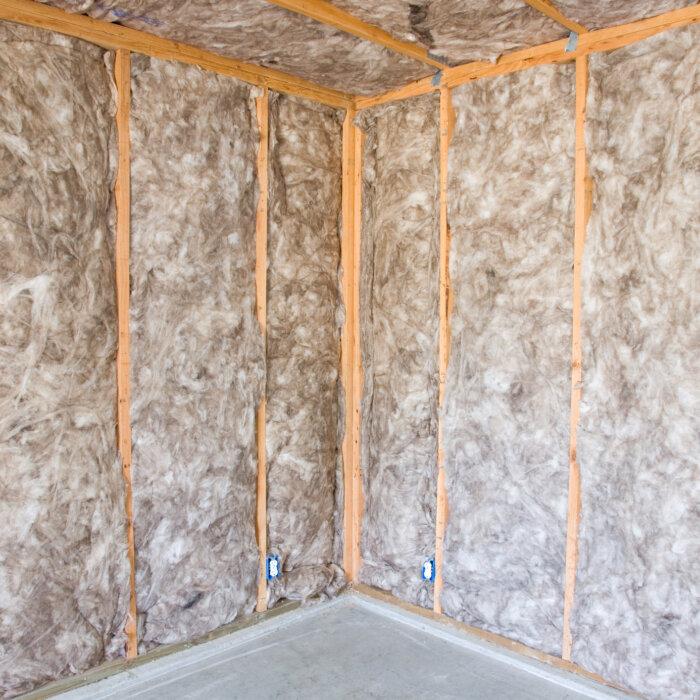
Don’t start hanging sheetrock just yet. After installing the furring strips, it’s time to insulate those cold concrete walls. Fiberglass batts are energy-efficient and easy to install but can develop mold if there’s any moisture. The better basement choices are spray foam or sheets of extruded polystyrene.
Although many finished basements do not have central heating or air conditioning, this is the time to decide whether to add it—before the walls and ceiling are finished. If you decide to install it, consider leaving it to a professional who can do an energy assessment and design a system with proper airflow that, as a bonus, will reduce humidity and moisture and help prevent mold. Other alternatives include installing a mini-split system (an advanced DIY project) or using a space heater, portable air conditioner, or dehumidifier.
Looking Up
Ceilings can be covered in sheetrock to match the rest of the house, but there’s a lot to be said for a traditional suspended ceiling system, which allows easier access to plumbing and electrical. They’ve come a long way from the generic cork look and now feature designer panels in pressed tin, polyvinyl chloride that looks like plasterwork, minimalistic styles, and other posh looks.
Painting Pretty
Test basement paint colors on the wall, as the lighting can make things look drastically different. Don’t want to paint test squares all over the room? Consider Benjamin Moore’s peel-and-stick 12-by-12-inch paint samples that can be easily repositioned around the room to test every type of light.
______________________________________
Underfoot
When it comes to water resistance and durability, tile is a luxurious standout, but installation may be beyond many DIYers.
Luxury Vinyl Plank
Luxury vinyl plank provides the luxury and warmth of wood while being built to withstand damp conditions ranging from condensation and damp concrete to the occasional spill. It’s very DIY-friendly but on the higher side when it comes to cost.
Vinyl Tiles
Replicating the look of ceramic, porcelain, or natural stone tiles, often with grout lines, vinyl tiles come in several levels: economy, mid-range, and premium (aka luxury vinyl tile). Each upgrade enhances both water resistance and thickness.
Cork
The naturally insulating properties of cork will make the basement warmer. It’s also cushioning and sound-dampening. Available as solid cork tiles and engineered cork planks, the latter uses a floating floor system, making it the preferred choice for basements.