Smart appliances are intended to integrate seamlessly into an existing home. A smart refrigerator not only keeps food cold, but also tracks expiration dates and suggests recipes. Smart ovens preheat the food perfectly and give status updates throughout the cooking process. Smart washers and dryers can sense fabric materials to give a custom clean and then send an alert when the load is done.
On the downside, these appliances are more expensive than their more basic counterparts. Although that may be offset by energy savings, they could potentially require more frequent and more expensive maintenance. They can be confusing to use at first, and let’s face it, many of us have concerns about the security of these systems.
Significant Benefits
Remote control means that the days of rushing home to preheat the oven are over, as it can be started while heading home. Forgot to set the dishwasher to run overnight? Not a problem; start it remotely from bed.Customization is another big feature, as these machines learn the users’ habits and can automate tasks accordingly, such as a refrigerator that sends an alert when low on the family’s favorite foods.
Energy efficiency is enhanced by features such as a smart dryer that turns off as soon as the clothes are dry. This also saves wear and tear on clothing. Meanwhile, energy consumption feedback can help take the guesswork out of the home power bill.
Automated machine maintenance alerts are another boon to keeping things running optimally, and many brands now offer remote diagnostics, saving on the cost and time delay of waiting for a service technician.

However, not all machines offer all features, so it’s smart to know what to look for and decide what matters most.

Cutting-Edge Fridge
Smart refrigerators often feature a touchscreen display for control and will typically also offer recipe suggestions, expiration date alerts, and a digital calendar for centralized planning that syncs to family or personal calendars.Inside, the best models feature cameras so you can check the contents while at the grocery store or making a list. They also have individual temperature zones with temperature controls for meat, produce, dairy, beverages, and other items. Some even have convertible compartments that can be used as either a fridge or freezer and a rapid cooling feature for warm groceries and beverages. They’re built to be “future-proof” (compatible with new smart home systems for years to come).

Helpful Oven
Voice control and the ability to preheat the oven on the drive home are just the start of what these chef’s assistants can do. Today’s Wi-Fi-connected devices offer cooking mode updates so the functions don’t become outdated.Easy Cleanup
A typical smart dishwasher offers voice control, remote start/stop and monitoring from anywhere, and custom wash cycles (from delicate glasses, baby bottles, and dirty pots to combination loads, quick rinses, or eco-friendly). Some units even offer leak detection, auto-release doors for quicker drying, and the ability to reorder dishwasher detergents when you run low. All you have to do is sync them to an online store.
Washer and Dryer
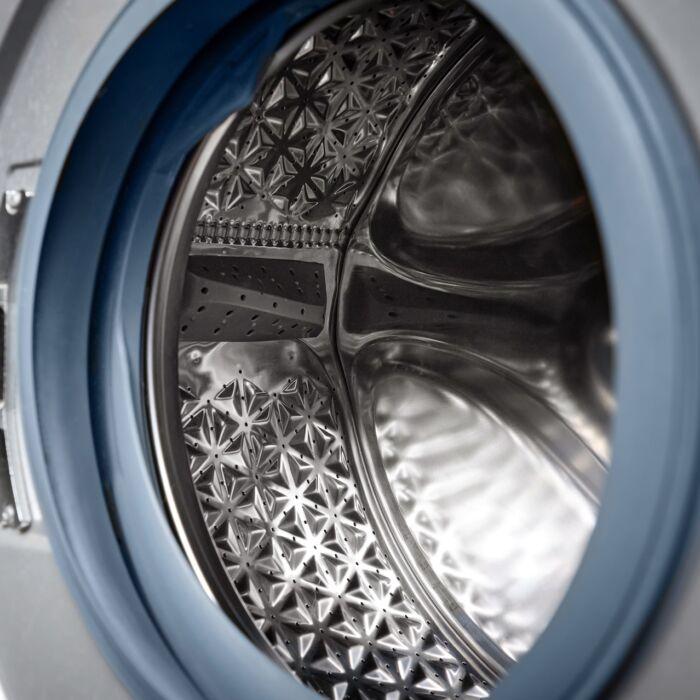
Ever forget a wet load in the washer? That’s not possible when a smart washer sends a reminder. The remote control feature also allows start/stop and wash monitoring. Some machines weigh the laundry load to determine the correct amount of water and laundry detergent needed, resulting in cost savings and loads without any soapy residue. These washers can even detect the types of materials, while smart diagnostics run regular checks on performance factors such as vibration level, temperature, and spin speed and provide error codes from the quick-fix guide.Smart dryers feature remote sensing, often down to the fabric type, to prevent overdrying and reduce the chance of clothes shrinking. Some offer additional specialty cycles, including quick-dry options for smaller loads. Add in a steam feature for some serious wrinkle reduction and the ability for a quick dry cleaning-style clothing refresh. Smart diagnostics keep an eye out for long dry times, excessive noise, and larger issues, and, of course, alert the user when it’s time to clean the lint trap, although it’s safest to clean the trap after every load.