Imagine waking in a winter wonderland. Ideally, you are tucked into a cozy, warm sleeping bag and outside your tent the world is muffled in the distinctive way of freshly fallen snow, as if the sound is being pulled from your ears. Don your boots and go out into snow no step has trodden, under pine boughs laden with sun-kissed powder and sparkling with the season’s late sunrise. You light a roaring fire and make coffee and perhaps a bowl of instant oatmeal, ready to face the day.
Good Reasons for Winter Camping
Fair enough, it’s not for everyone. Nighttime in the wintery forest makes me think of Jack London’s short story “To Build a Fire,” often cited in English classes as an example of the human versus nature story conflict. An overconfident man finds himself unable to reach his destination by nightfall in the wilderness of Alaska. His only hope of survival is to light a match. Spoiler alert: Nature wins. Who would willingly go do this, and more importantly, why?“Lots of reasons, but mainly I like the challenge of facing the raw elements,” said Jim Bishop, a retired Wisconsin Department of Natural Resources public communications guy who is what I would call hardcore.
“My girlfriend and I were up at the Boundary Waters [in October] and it snowed on us,“ Bishop said. ”So she says, ‘Well, that’s winter camping.' It got down to 35 degrees [Fahrenheit]. I don’t consider it winter camping unless it’s at least zero or below.” He’s slept at 40 degrees below zero under the stars.
Bishop listed the best practical reasons to extend your camping season into the colder months. No. 1 by a mile might be no mosquitoes. In Wisconsin or Minnesota, where we joke (not really) that the mosquito is the state bird, this is no small matter. And although tick season is extending each year with warmer shoulder seasons, the ticks still aren’t strapping on skis for the snow.
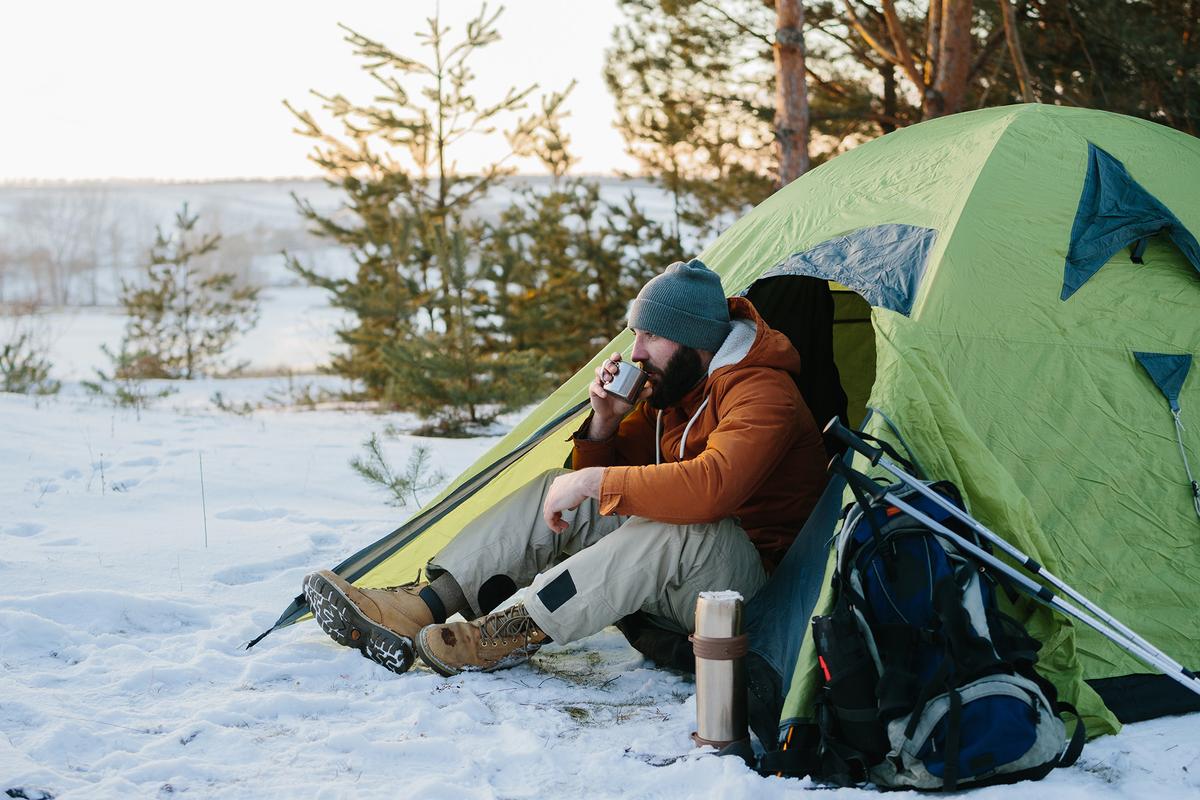
Another plus is the fact that there’s no need to worry about your food spoiling. If anything, you need a plan to keep your drinking water from freezing. (Sleep with it at night!)
Then there’s the benefit of inaccessible places in summer opening up in winter. Understory foliage clears out, lakes freeze and become walkable, or a waterfall becomes an ice sculpture. Winter skies are clearer and drier than in summer, and even the view of the Milky Way shifts away from the bright, dense center out toward the galaxy’s edge, allowing other stars to become visible.
There’s also some real peace and quiet, a chance to really get away from it all. The only other people you see are likely going to be the ones you brought with you.
Proper Planning Prevents Problems
Tennessee native Johnny Molloy, author of more than 80 outdoor guidebooks, signs off his emails with his motto: “The wilderness is my office.” And that office remains open in winter. Camping becomes a year-round activity.“You just have to have a little bit better and warmer gear,” he said.
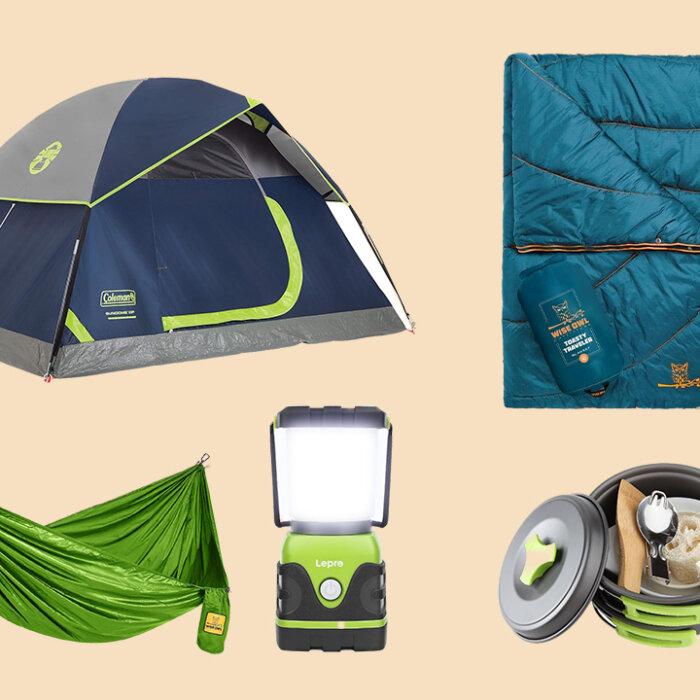
Start with a sleeping bag with a temperature rating at least 10 degrees below the weather predictions. Mummy bags have the benefit of enclosing your head, but some campers also wear a knit hat or hood to sleep. Lay the bag out over an insulated sleeping mat.
“One of my favorite tricks is to make yourself a hot water bottle,” said Molloy, who is vulnerable to cold feet. “Use a Nalgene bottle or some other bottle that you are 100 percent certain can be screwed tightly shut, will not melt, and can take fully hot water.”
Wrap this in a shirt or towel, and it radiates heat on your feet throughout the night. Bonus: You won’t need to melt ice for water in the morning.
When Cold Is Too Cold
Good gear can take you through sub-zero temps, but even when weather is mild, the primary thing one needs to be concerned about is hypothermia, or when the body loses heat faster than it can produce it and the core temperature drops below 95 degrees Fahrenheit. Those few degrees can be deadly in any season.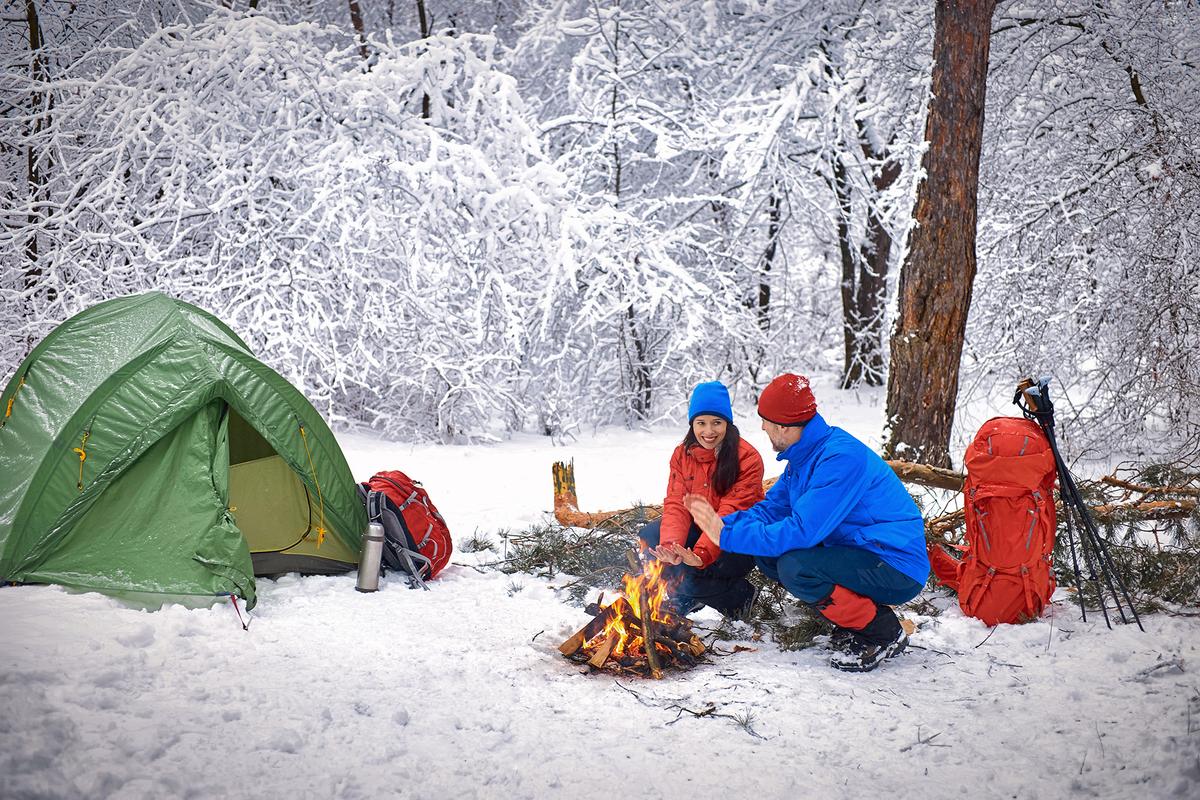
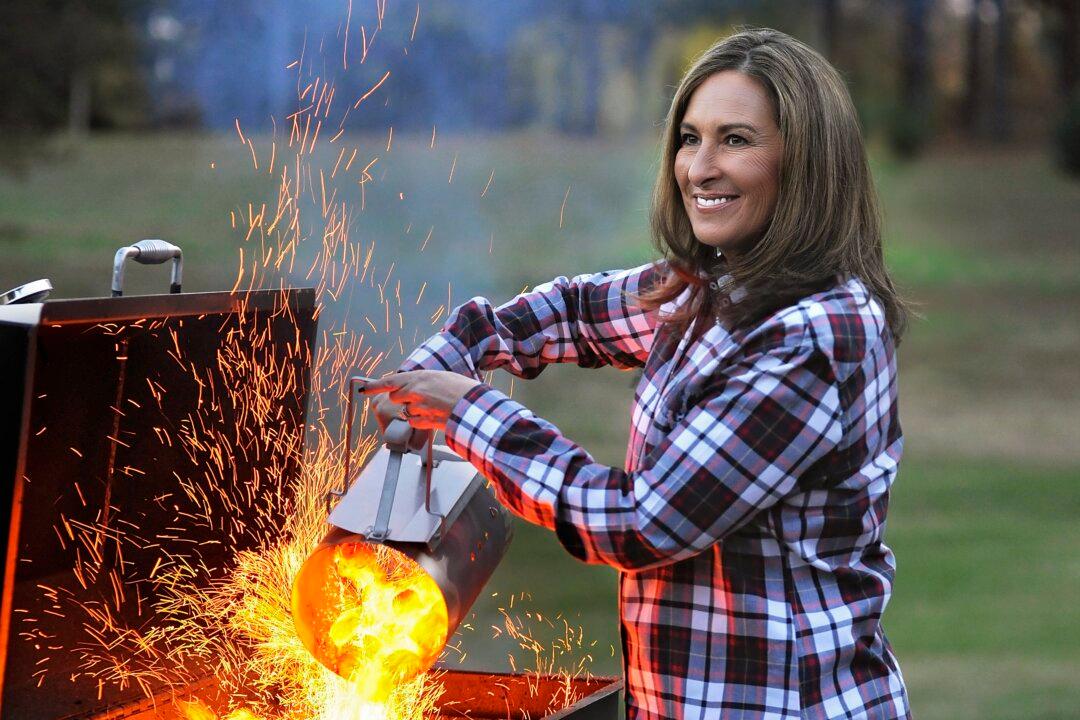
Be prepared to make a fire when you get there.
“I know that sounds simple, but just recently it was raining on me,” Molloy said. He had packed “fatwood,” pieces of pine wood infused with resin, and some kindling so he could quickly get a fire going.
Bishop once fell through river ice up to his waist far from his site. It was his closest encounter with hypothermia, but after a dead run back to camp, he had dry clothes at the ready and a fire set up that was waiting for a quick light. (And let’s be honest: If you are car camping, you could head for the heater in an emergency ... if it starts.)
Ironically, one of the biggest mistakes newbies make when winter camping is being too hot.
Stay Active
The wilderness becomes your own private playground. Don’t just sit by the fire. Go for a hike, go snowshoeing, bring skis, pack ice-fishing equipment (be sure you have a valid fishing license if required by the state you are camping in), or follow animal tracks through the woods. Download star charts and check for the International Space Station flyby times for the night sky. And then back at camp, eat, drink, and be merry: Pack high-calorie meals and stay hydrated to keep the dry winter air at bay. Time in the wild is good for the soul, even in the heart of winter.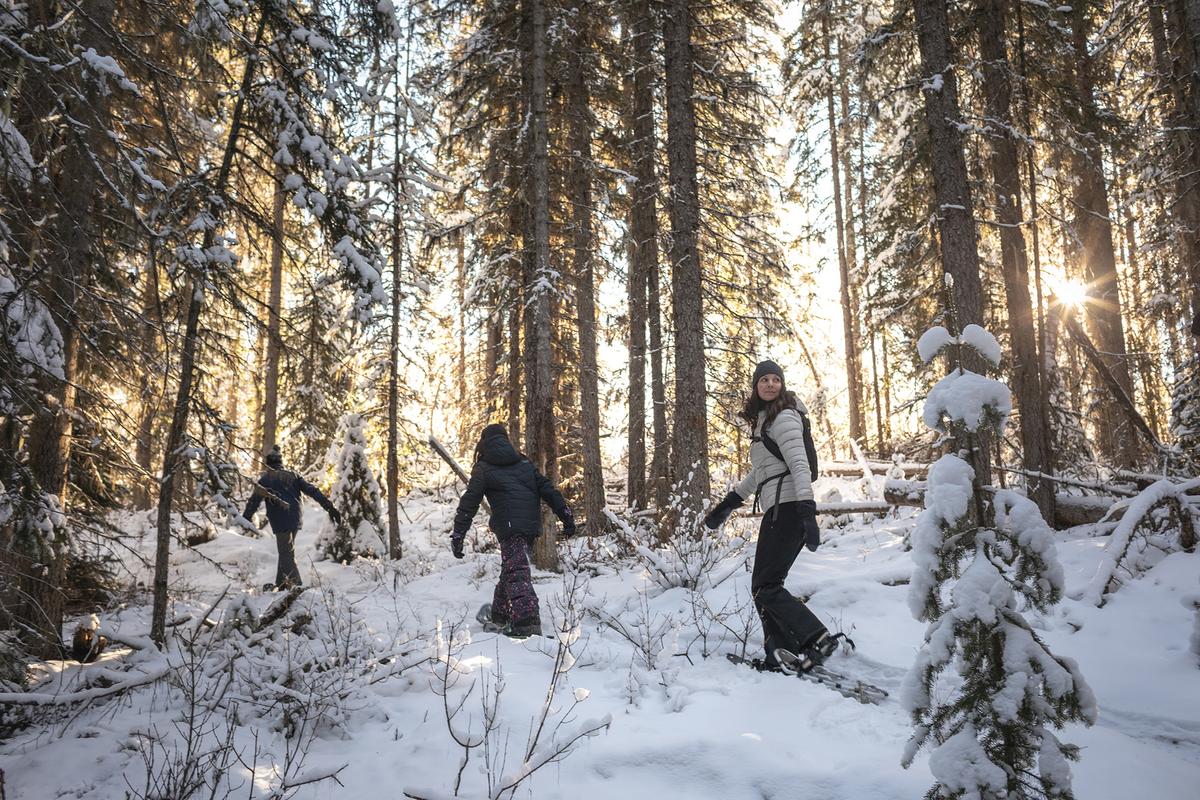
Where to Camp
Heading south can mean gentler winter temps but may also mean an increase in mosquitoes, other campers, and other pests. The Appalachian Trail is still good for hikes and camping, but the distance from services requires careful planning.National parks and forests also vary in terms of services and rules. Glacier National Park in Montana has special winter wilderness regulations but also offers car camping at Apgar Picnic Area and St. Mary Campground. For wilderness camping in winter, permits are issued electronically by advance reservation only. Keep in mind that the Going-to-the-Sun Road closes in November and camping regulations change. Although from April through November you are required to protect your food from bears by hanging it from trees, those rules become recommendations after Dec. 1: Apparently, even the bears lose enthusiasm for campers in winter.