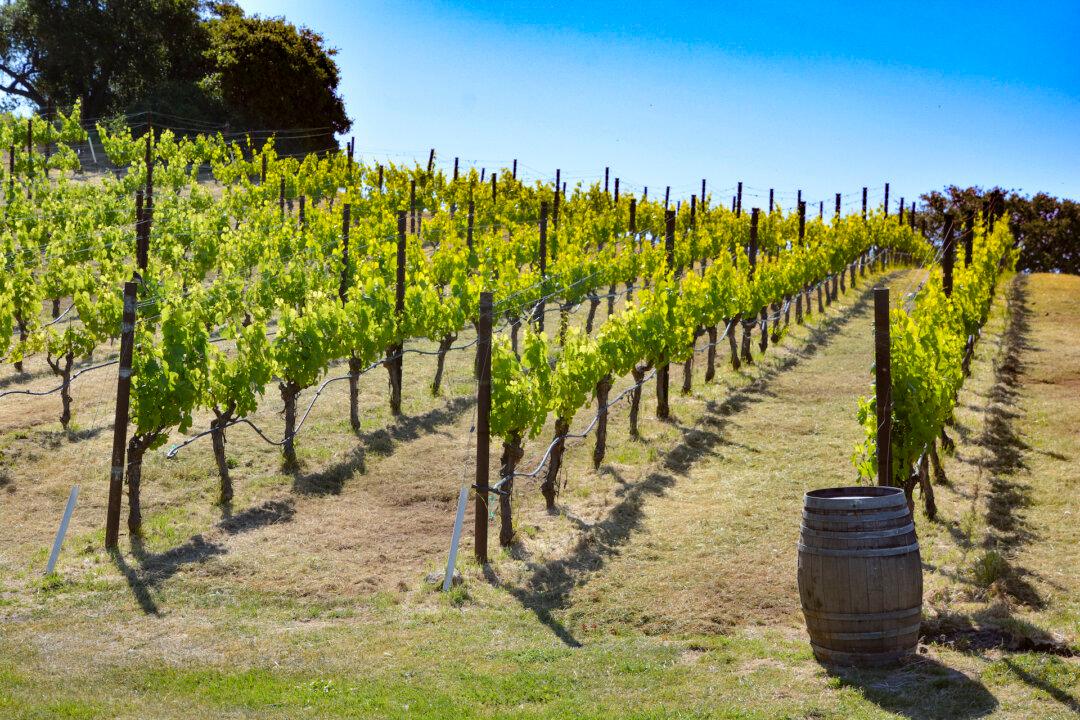
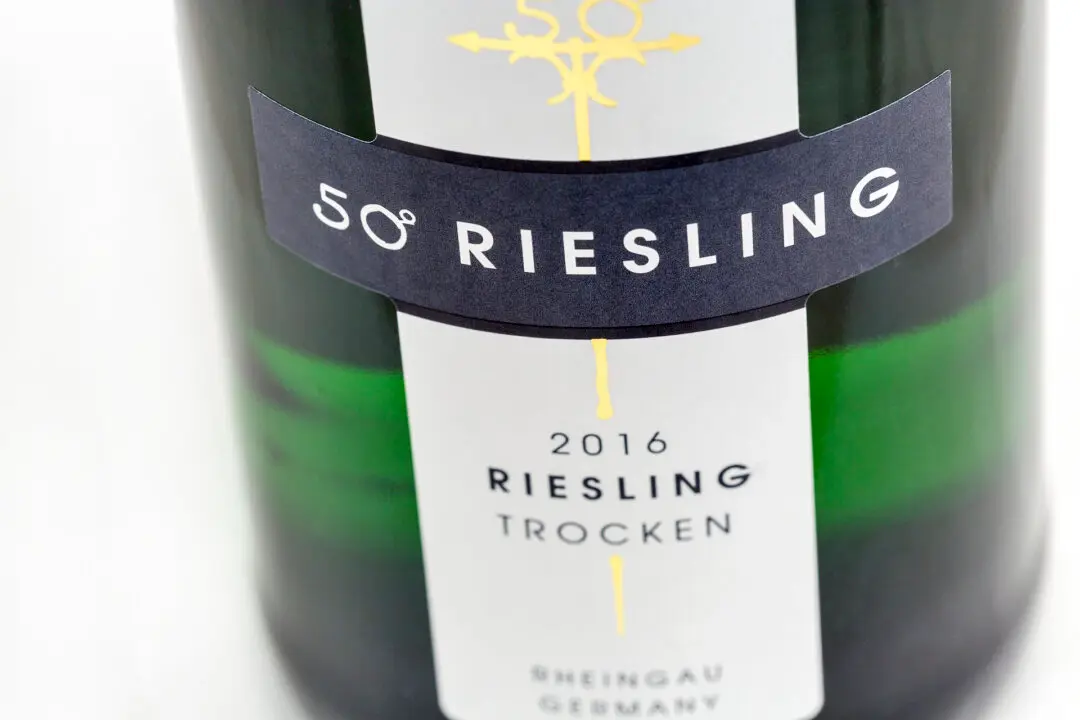
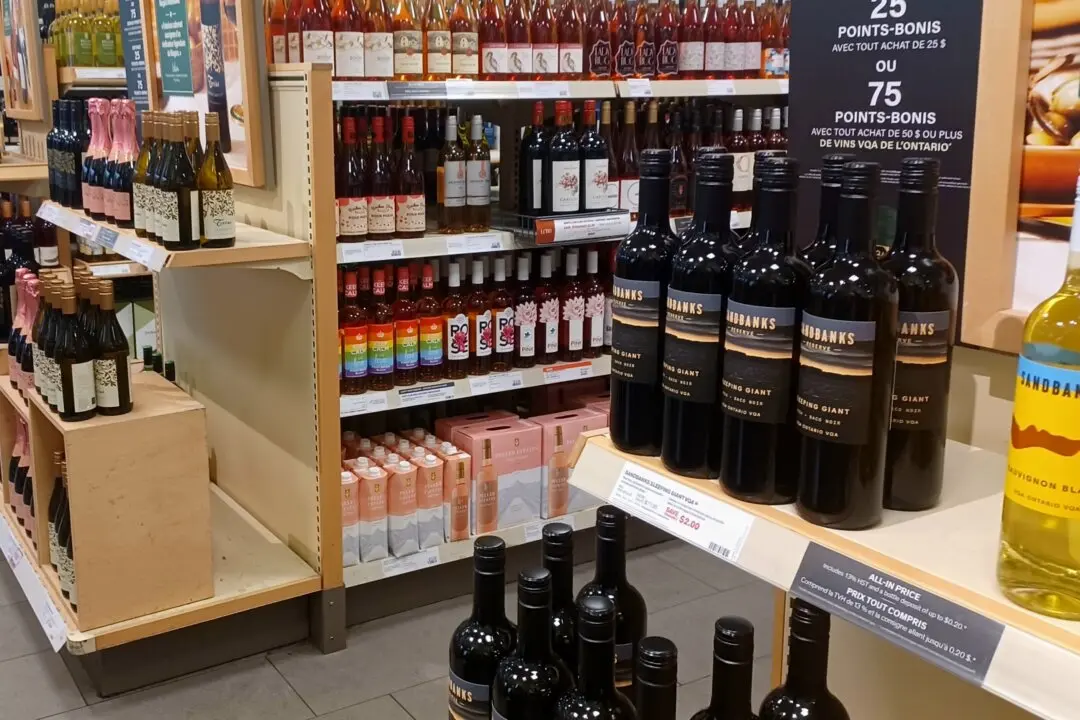
Wine can be classified in numerous ways, making it seem daunting to newcomers who try to learn the basic language of this historic beverage.
In its most basic format, it can be reduced to the simplest categorization: white, red, rosé, sparkling, and dessert. Or it may be thought of as low-alcohol, moderate, or high-alcohol, or imported/domestic.
Additional categories can get even more complex. To understand some of these becomes almost too esoteric, which makes the learning curve that much steeper. Yet wine lovers adore the information they glean from terms that are often on the front labels of wine bottles.
One of the most basic aspects of fine wine is understanding the meaning of the term “appellation,” which is simply the region from which the wine grapes came. Frequently, this explains a lot about the style of wine inside the bottle.
With domestic wines, a “California” appellation requires that all the grapes have to have been grown in the state, which doesn’t carry much specificity. But appellations such as Napa Valley, Mendocino County, and High Valley are far more specific.
This has been codified by the government agency that regulates such regions, the Alcohol and Tobacco Tax and Trade Bureau, or TTB, under the umbrella of American Viticultural Areas (AVAs).

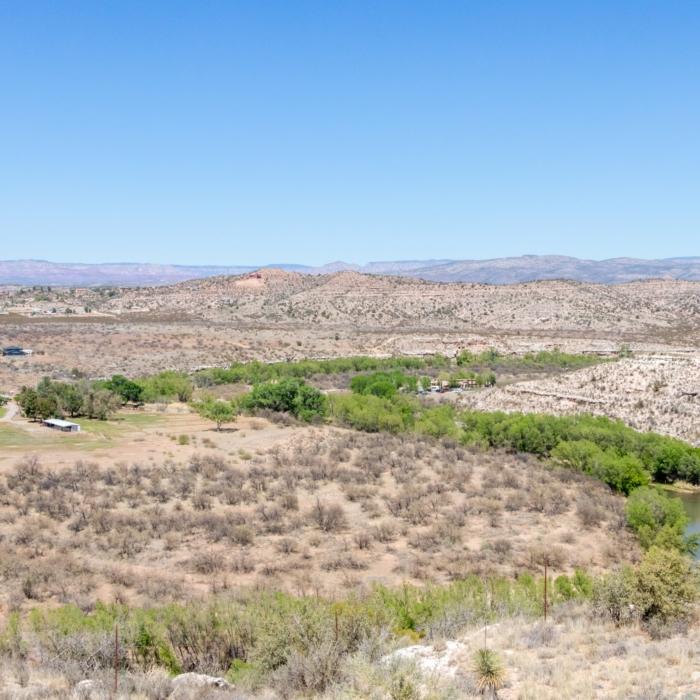
There are 276 AVA regions in 34 states. Most are obscure and have meaning for only a tiny number of people. The most important regions often have within them subdistricts with more specificity, which extremely knowledgeable people adore for their esoteric meanings.
Napa Valley is the most widely known area. It may only appear on wines using fruit from inside its boundaries, which also includes 17 sub-AVAs. The valley’s most important wine is cabernet sauvignon, a grape variety that does well in warmer climates.
By contrast, grape varieties that prefer cooler climates are better in growing areas such as the Russian River Valley and Petaluma Gap (Sonoma County), Willamette Valley (Oregon), and the Santa Lucia Highlands (Monterey County).
The above-mentioned High Valley is one of the lesser-known areas. It is adjacent to Clear Lake in Lake County, just north of Napa. At altitudes of 1,600 feet to 3,000 feet, High Valley has a history of making relatively dark red wines.
The smaller an AVA is in size, the more likely it is to define a specific kind of wine-growing area. The largest AVA approved by TTB is the Upper Mississippi River Valley at just under 30,000 square miles. The smallest AVA is Cole Ranch (Mendocino County) at 60 acres.