In five decades of reporting on the wine industry, I have seen the cycle so often I can now nearly predict it.
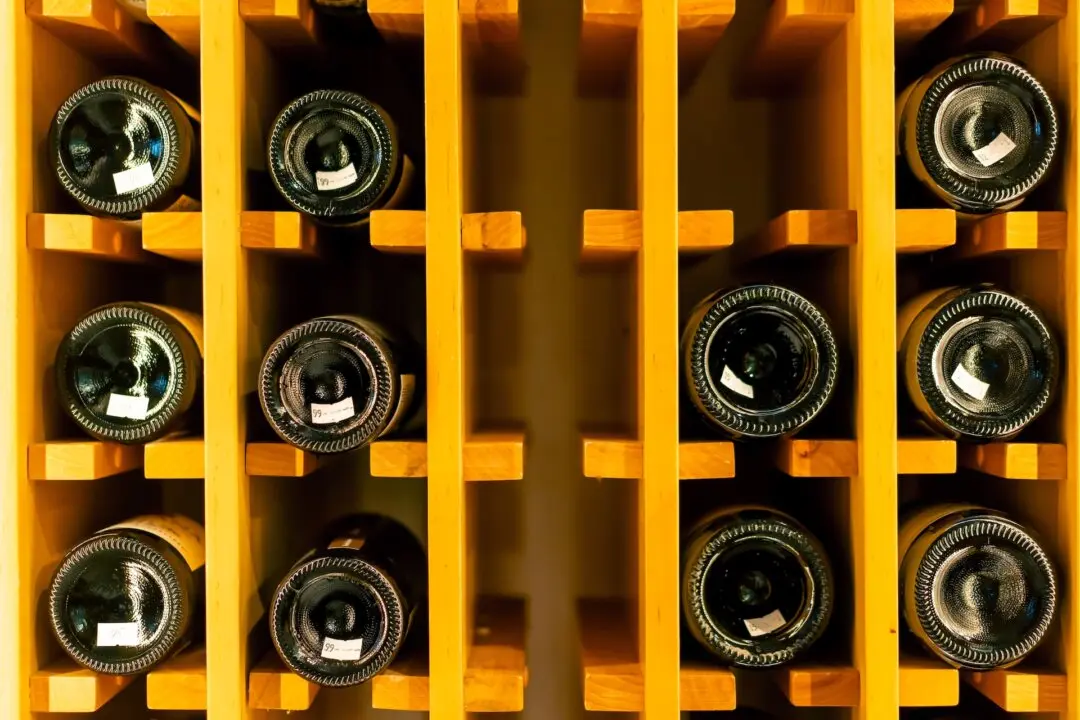
It is the boom/bust roller coaster ride that hits the wine business with regularity, and at the moment, we’re in one of those periods in which sales of wine have figuratively hit a brick wall. Very little is selling, and the industry is responding by cutting back on production.
Not only are bankruptcies and winery closures becoming commonplace, but very slow wine sales are also changing the face of domestic production.
But there is a good side to this for some people. Savvy American consumers can take advantage of an oversupply of wine, which has led to better-quality wines. Shop around: values are everywhere.
The way the boom/bust thing works parallels the supply-demand equation in which the scarcity of a commodity in demand drives prices up, and the oversupply of that same item drives prices down.
With agricultural products, a shortage kicks prices up and encourages more planting until the supply becomes too great, when prices collapse. There is so much wine in the U.S. pipeline today that prices are depressed across the board, including expensive Napa cabernet sauvignons.
And although many high-end restaurants and fine wine shops have been reluctant to cut prices, hoping the market will rebound, even there, I have begun to see discounts. Restaurants occasionally offer wine specials on some midweek nights.
What makes this wine glut so much more challenging to American wineries is that the consumer has many new choices. One of these is imported wine.
The last time we had a major oversupply of wine, 25 years ago, only about 20 percent of the wine sold in the United States was imported. Today, that figure is about 40 percent and experts are saying it will grow.
U.S. wine consumers have grown more knowledgeable about imports. Today rosé wines from the south of France, malbec from Argentina, New Zealand sauvignon blanc, Italian prosecco, and German riesling have all created niche markets in this country.
The worst part of this, for the California wine industry, is that few consumers complained about the imported wines. Indeed, few even noticed that their favorite chardonnay was coming from overseas.
Meanwhile, U.S. wineries responded by creating better-quality wines at lower prices. The wine surplus has meant that wines in boxes are better than ever. Wineries now use better-quality wine blends.
A winemaker friend has always made a simple red table wine that’s a blend of various grapes. It has always been very good.
Miro Tcholakov, a superb winemaker who makes wine under his own Miro label as well as the wines for Trentadue Winery, has always made a blended red for Trentadue called Old Patch Red, OPR. It always represents excellent value.
We chatted recently, and I said his most recent OPR was better than ever. Previous wines came from grapes purchased from other areas.