After looking at the wine list and realizing that most selections are too expensive, you finally settle on a compromise. It was made by a winery you’ve heard of, and the price is not excessive.
But are you certain that the wine you get is the one that’s on the list?
Restaurant pricing of wine has become ridiculous. Historically, restaurants saw the wine list as a profit center. Most owners knew they could charge prices based on outrageous markups, confident that most consumers, out for a good time, would pay the price.
I know that restaurants have fixed costs that need to be covered. Restaurateurs tell me regularly that they make very little on food. And that the costs of labor and provisions are constantly rising.
I get that, but when a bottle of wine costs the restaurant $20 and patrons are expected to pay $65 for it, something is amiss. The least patrons can do is to validate that the wine they ordered is what they wanted.
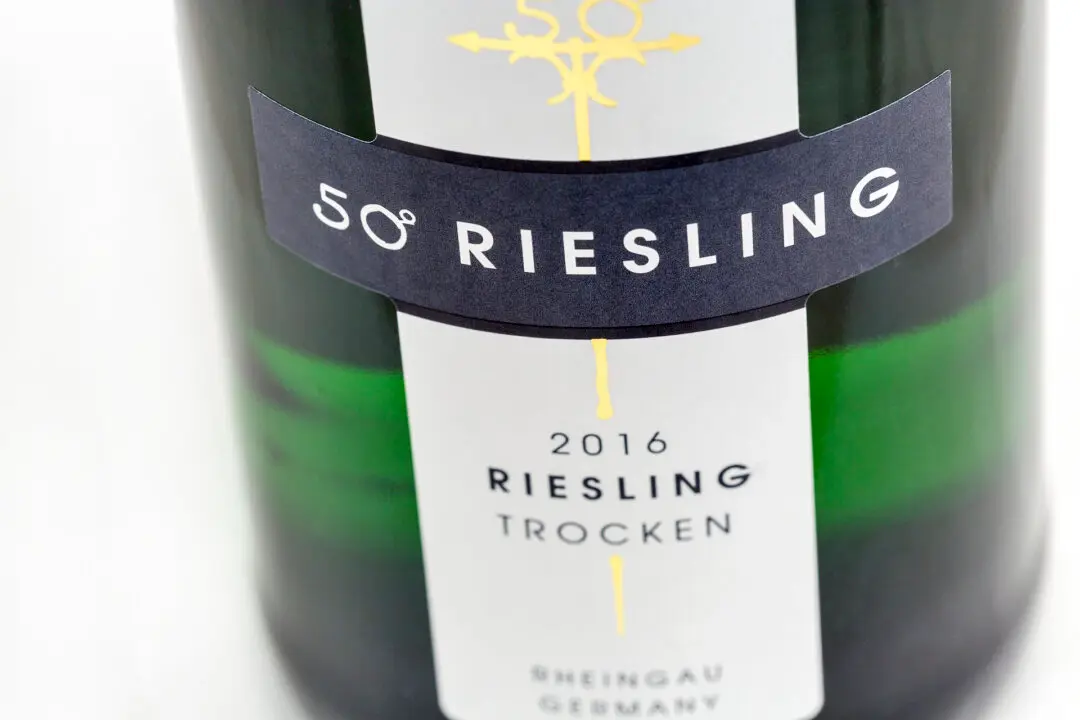
Check the Vintage
With wine sales at their lowest level since the late 2000s, older wines are backing up in warehouses. I have noticed that some restaurants have taken the vintage date off their lists, hoping patrons will not ask to validate the year.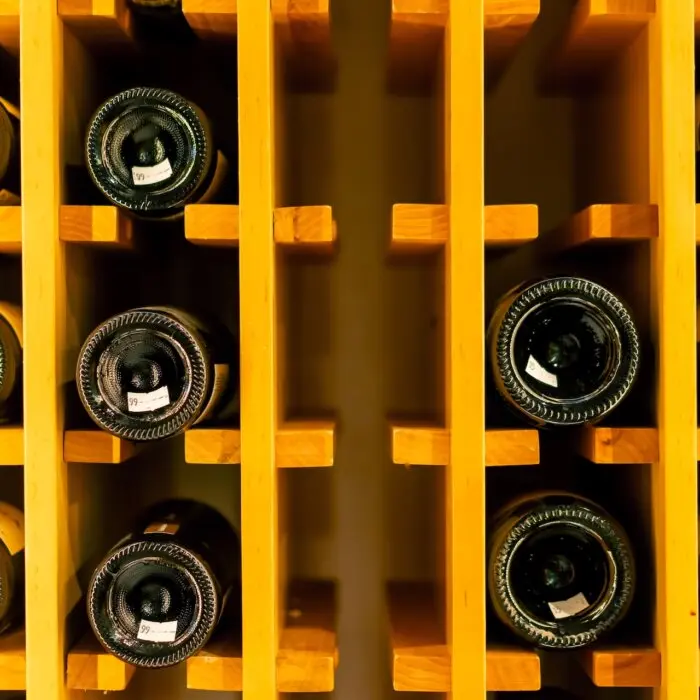
Be Wary of Nonvintage Wines
A few California wineries have taken some older wines and relabeled them without a vintage date because savvy buyers will reject old wines. I’m not suggesting chicanery, but it’s best to be careful.Check the Appellation
Some producers located in relatively prestigious areas are now producing wines with a “California” appellation. There is a big difference between a small area and a huge one.Ask for the Bottle
When ordering wine by the glass, ask to see the bottle. This may irritate some servers, but I have been intentionally misled often enough that I need to know if the glass I have been told about is what I end up getting.In an expensive San Francisco restaurant, I ordered a fine sauvignon blanc. What came wasn’t what I ordered. The waiter brought the bottle over. It was plonk. I sent the glasses back. Ten minutes later, the waiter came back with the proper wine—and the bottle to prove it.
No Wine of the Week