‘William Tell Overture’: From the Swiss Alps to the Wild West

Rossini’s opera was the musical centerpiece of ‘The Lone Ranger’ television show.
‘William Tell Overture’: From the Swiss Alps to the Wild West
A circa 1955 film still from the American television series “The Lone Ranger.” The show’s famous theme song, "William Tell Overture,” was borrowed from an opera by Italian composer Gioachino Rossini. Hulton Archive/Getty Images
|Updated:
0:00

“Return with us now to those thrilling days of yesteryear when the West was young and adventure lie at the end of every trail.”
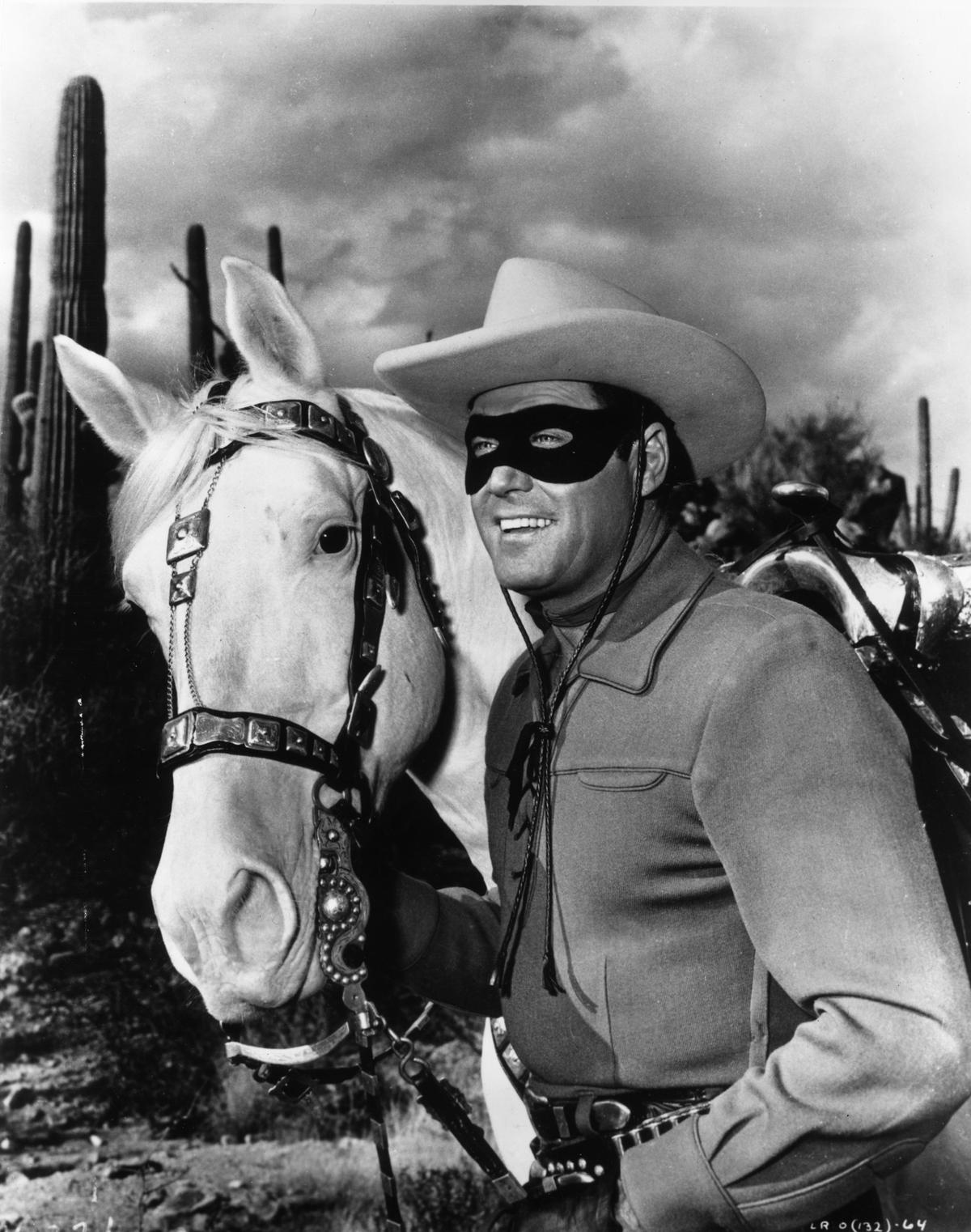
Each time “The Lone Ranger” aired, the narrator beckoned audiences to travel back in time to the fledgling days when horsemen, outlaws, and homesteaders traveled the vast, rural plains. He introduced the mysterious masked protagonist known as “The Lone Ranger,” a former Texas Ranger who continued his work solo after a band of outlaws killed his fellow lawmen. His life was saved by Tonto, a Native American returning the favor after the Lone Ranger saved his life when they were young boys. Tonto then teams up with him to be a protecting force for good against all kinds of bad guys and to help restore “hope to those who wanted to make this frontier land their home.”

A promotional portrait for the television series “The Lone Ranger” starring Clayton Moore as the Lone Ranger and his horse, Silver, circa 1955. (Halas & Batchelor/Getty Images)
A promotional portrait for the television series “The Lone Ranger” starring Clayton Moore as the Lone Ranger and his horse, Silver, circa 1955. Halas & Batchelor/Getty Images

The family-friendly TV show aired from 1949 to 1957. And though its sprawling desert setting, gunfights, and action-packed scenes made the series an early hit for ABC, the show’s music also caught the attention of viewers, especially its theme song, the “William Tell Overture,” from an opera by Italian composer Gioachino Rossini.

In America today, the overture is synonymous with the Western show. But its origin story lies far away, in the cold, rocky mountains of the Swiss Alps, where a 14th-century folktale inspired the composition—a folktale bearing similarities to the Lone Ranger’s legend.

The Birth of a Legend

Throughout the 1300s, the Hapsburg dynasty in Europe continued efforts to expand its territory into what is now modern-day Switzerland. The Hapsburgs’ rule was heavy-handed and unjust, leading some locals to defy their commands. William Tell’s defiance became a part of history.
“Legend states Albrecht Gessler, an officer of the House of Hapsburg, placed his hat on a pole under a village linden tree and demanded villagers bow to it upon passing,” the Saint Louis Art Museum says. “Defiant against Hapsburg rule, Tell led his son past the hat and pole without bowing. This offense led not only to his arrest but also to a cruel and unusual punishment for his crime.”

Their lives would be spared, Gessler decreed, if Tell could successfully shoot an apple off his son’s head without harming him.
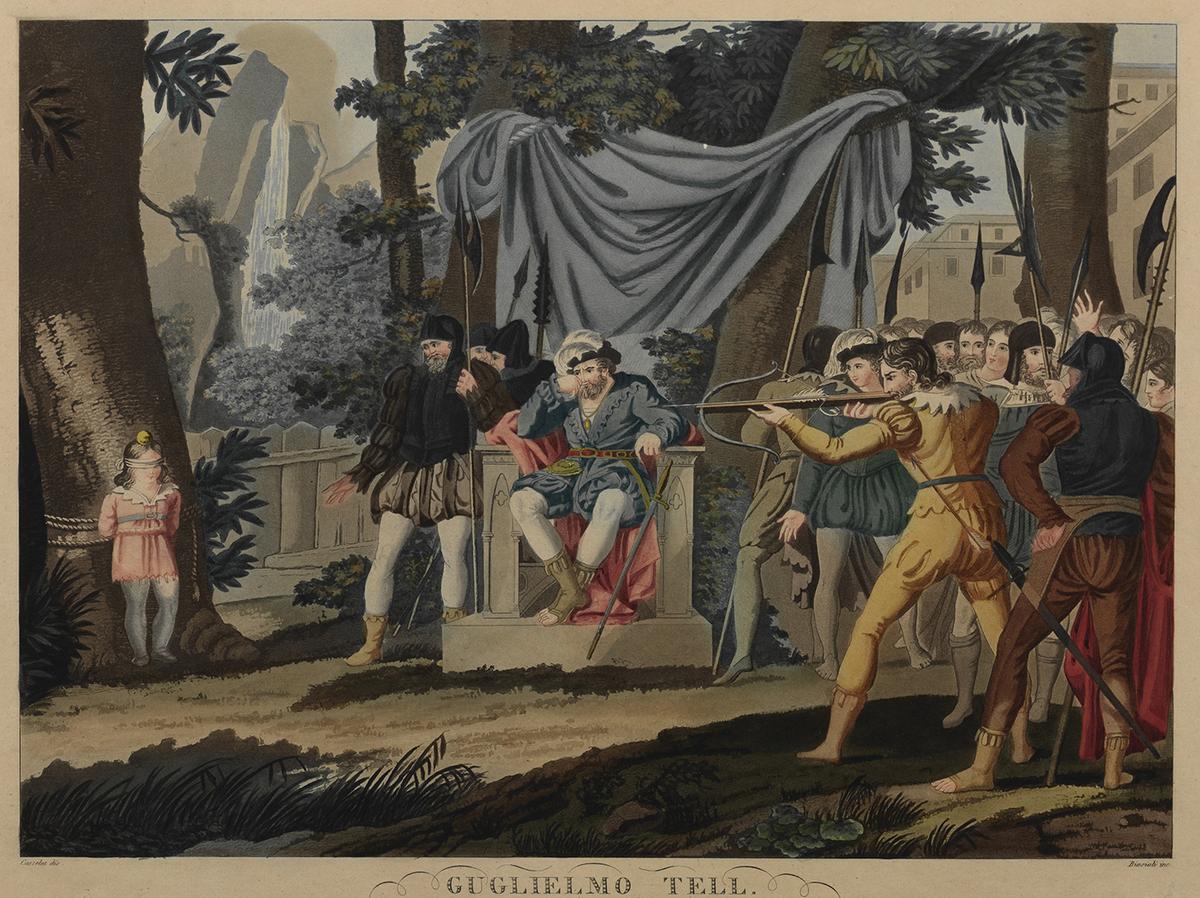
“William Tell's Apple Shot,” circa 1820, by Angelo Biasioli. Engraving; 14 3/8 inches by 18 9/16 inches. Swiss National Museum, Zurich. (Public Domain)
“William Tell's Apple Shot,” circa 1820, by Angelo Biasioli. Engraving; 14 3/8 inches by 18 9/16 inches. Swiss National Museum, Zurich. Public Domain

“A practiced marksman, Tell split the apple clean down the middle. However, Gessler still declared Tell would spend the rest of his life in prison, a declaration that enabled Tell to become the legendary figure he is today,” per the museum’s website.

Tell refused to accept his fate ordered by the Hapsburg officer. The story goes, the folk hero told Gessler that if he had missed the apple on his son’s head, he had a hidden second arrow for his crossbow, and that arrow was for him.

In a state of fury, Gessler sentenced Tell to be imprisoned in a dungeon accessible by boat. But as the boat sailed across the water, Tell jumped overboard, escaping to a rocky area on the shore under the cover of a storm. The officer looked for his prisoner on the loose—but Tell found him first. Supposedly, when the officer met his own fate at the skilled hands of the archer, the people were so emboldened that it marked the beginning of the end of Hapsburg political power in the area.

The folktale’s influence reached far and wide over the coming centuries. By the early 19th century, it inspired two of the Western artistic canon’s acclaimed musical works still performed today.

‘March of the Swiss Soldiers’

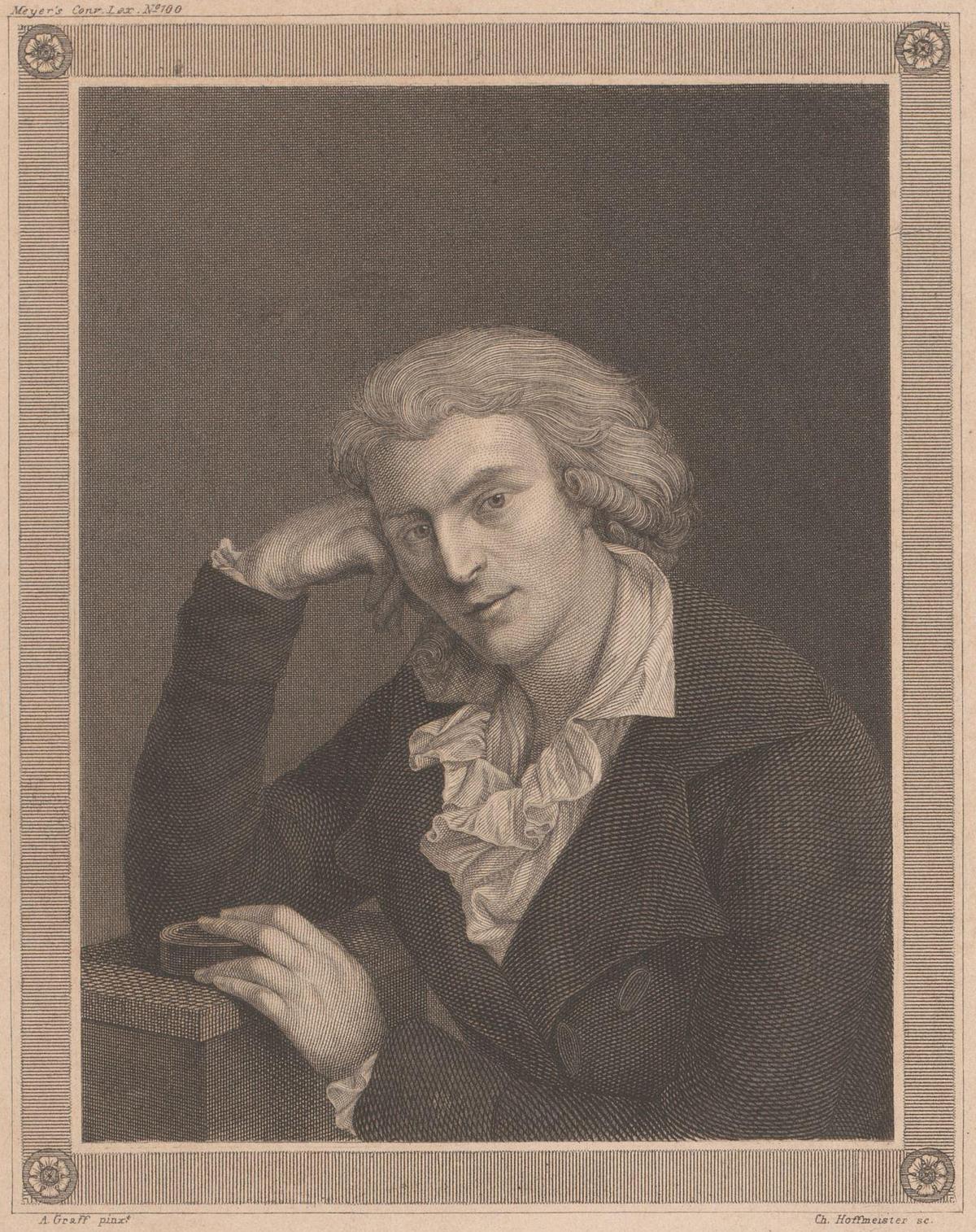
A portrait of German playwright Friedrich von Schiller, 1840–1855, by Christian Hoffmeister. Rijksmuseum, Amsterdam. (Public Domain)
A portrait of German playwright Friedrich von Schiller, 1840–1855, by Christian Hoffmeister. Rijksmuseum, Amsterdam. Public Domain

In 1804, German playwright Friedrich Schiller debuted what would become one of his most successful and reproduced works, the play “Wilhelm Tell.” The story follows Tell’s heroic defiance against tyranny, and as Switzerland and much of Europe dealt with fallout from the Napoleonic Wars, the folk protagonist once again became a national symbol for freedom.

Years later, in 1829, Rossini built on Schiller’s play and adapted it into an opera.

Originally titled “Guillaume Tell,” Rossini’s tribute to the folk legend is one of history’s longest operas—so long that full performances run for almost five hours. So, to make live performances more realistic, the piece was edited for length. The most famous portion of the opera became the prelude known as the “William Tell Overture.” The introductory piece sets the tone for the rest of the opera but also makes for a strong standalone performance.
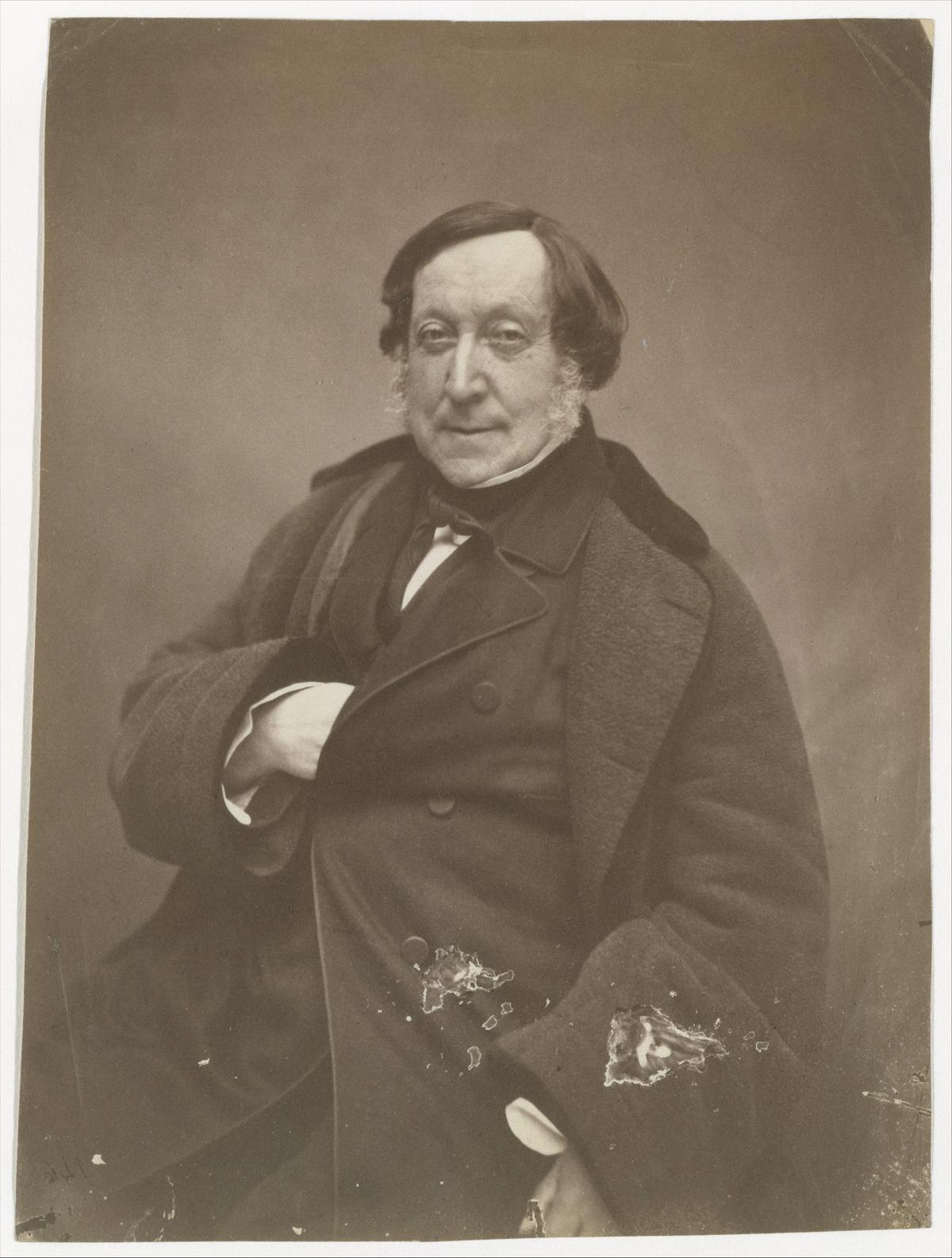
A portrait of the Italian composer Gioachino Antonio Rossini in March 1856, by Nadar. The Metropolitan Museum of Art, New York City. (Public Domain)
A portrait of the Italian composer Gioachino Antonio Rossini in March 1856, by Nadar. The Metropolitan Museum of Art, New York City. Public Domain

The overture is performed in four parts—“Dawn,” “Storm,” “Call to the Cows,” and ”March of the Swiss Soldiers"—and depicts Tell’s folktale.

“Guillaume Tell” would be Rossini’s last opera. And though the opera in its entirety is rarely performed, the last section of the opera’s overture, the “March of the Swiss Soldiers,” has long sounded its horn in syndication heaven.

A Show for Everyday Wisdom

Viewers of “The Lone Ranger” TV show loved the show’s theme song and opening scenes as much as they loved the storylines. And Rossini’s closing overture movement, “March of the Swiss Soldiers,” was a perfect fit.

The opening notes fire off as if shot from a cannon, with a rousing trumpet solo pairing well with a galloping Silver and valiant Lone Ranger guiding the reins.

The brass section takes its place in the piece front and center, its triumphant melody making the ideal soundtrack for both Tell’s and the Lone Ranger’s stories—stories that sometimes mirror each other. Both fought against morally corrupt antagonists, both valued freedom, and both showed bravery in the face of danger.
Viewers tuned in on time to hear the show’s theme song. They stayed for the everyday nuggets of wisdom sprinkled throughout its plotline. Impactful one-liners like “I believe that to have a friend, a man must be one” and “All things change but truth, and that truth alone, lives on forever” were always one scene away thanks to a mission statement, “The Lone Ranger Creed,” written by series creator Fran Striker.
Fans of the show were also introduced to a new word that would work its way into American popular culture.
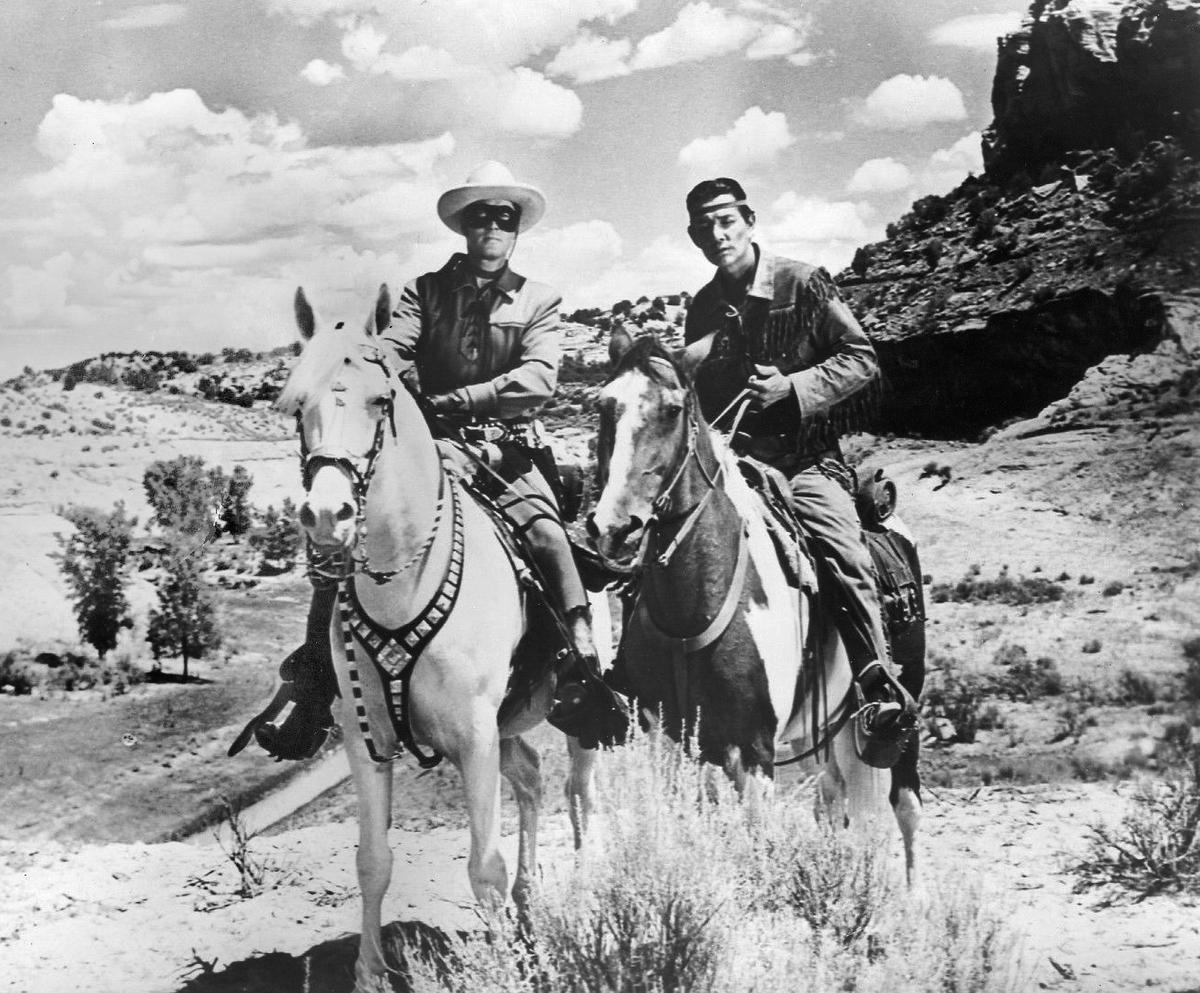
An ABC Television film still of Clayton Moore as the Lone Ranger and Jay Silverheels as Tonto in the famous show "The Lone Ranger," 1956. (Public Domain)
An ABC Television film still of Clayton Moore as the Lone Ranger and Jay Silverheels as Tonto in the famous show "The Lone Ranger," 1956. Public Domain
When speaking to the Lone Ranger, Tonto addressed him as “Kemosabe,” a term sporting a few different definitions including “trusty scout” and “faithful friend.” Some believe that “Kemosabe” was loosely derived from the language of the Ojibwe tribe. Others believe that a radio program director, Jim Jewell, adapted it from the name of a children’s camp in Michigan, Camp “Ke Mo Sah Bee.”

“The Lone Ranger” began as a 1930s radio show, but the TV show captured the heart of America. Shortly after its end in 1957, the series was syndicated, and since then, reruns air regularly.

More than 70 years after the first episode of the Western adventure series aired, “The Lone Ranger” still fills viewers with wonder and mystery as the narrator’s memorable voice booms from the TV screen and the “William Tell Overture” plays.

“His face masked, his true name unknown, he thundered across the West on a silver white stallion. Appearing out of nowhere to strike down injustice or outlawry, and then vanishing as mysteriously as he came.”
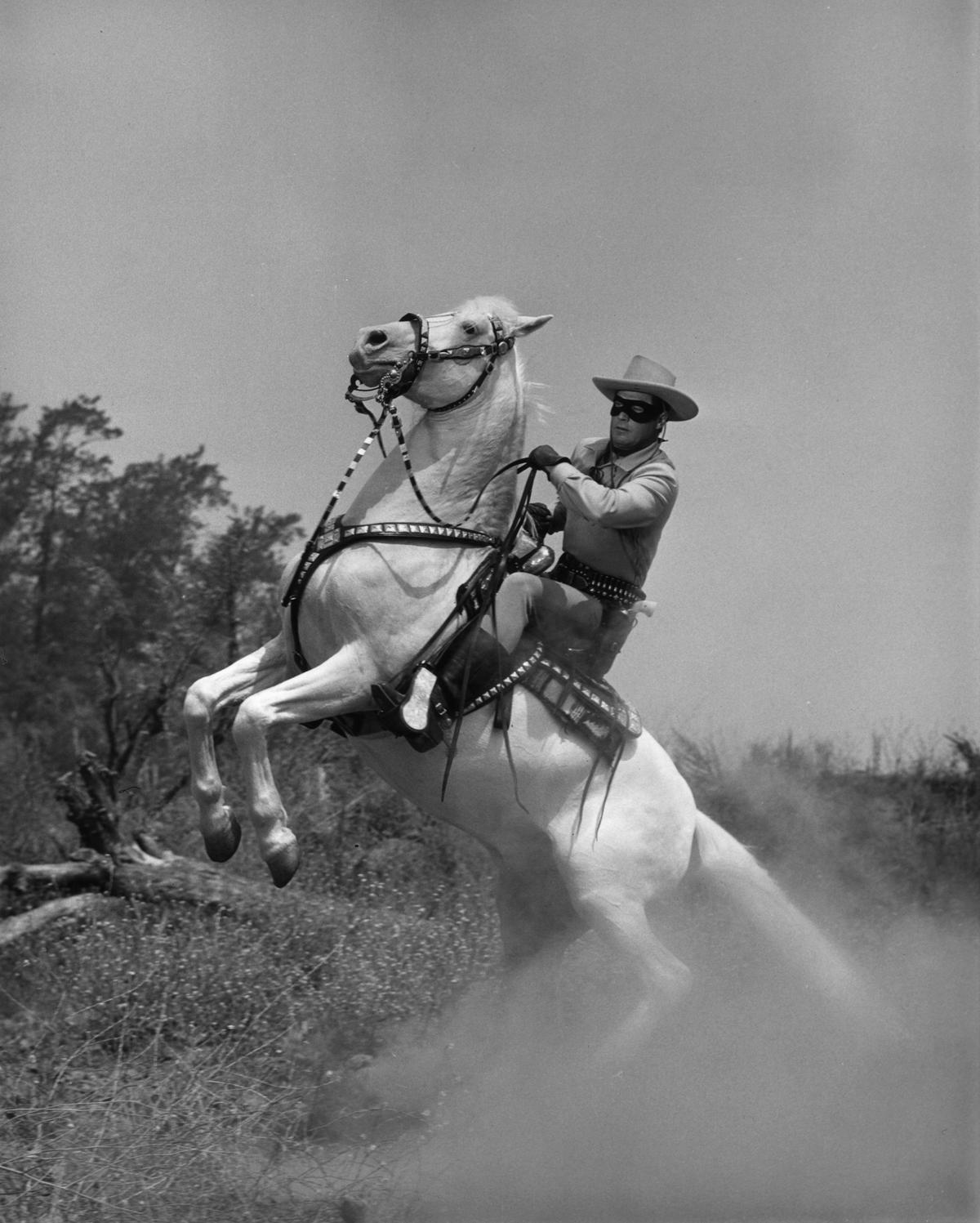
A film still from the American television series “The Lone Ranger” with actor Clayton Moore rearing his horse, Silver, circa 1955. (Hulton Archive/Getty Images)
A film still from the American television series “The Lone Ranger” with actor Clayton Moore rearing his horse, Silver, circa 1955. Hulton Archive/Getty Images
What arts and culture topics would you like us to cover? Please email ideas or feedback to [email protected]
Google LogoMark Us Preferred on Google
Rebecca Day
Rebecca Day
Author
Rebecca Day is a freelance writer and independent musician. For more information on her music and writing, visit her Substack, Classically Cultured, at ClassicallyCultured.substack.com