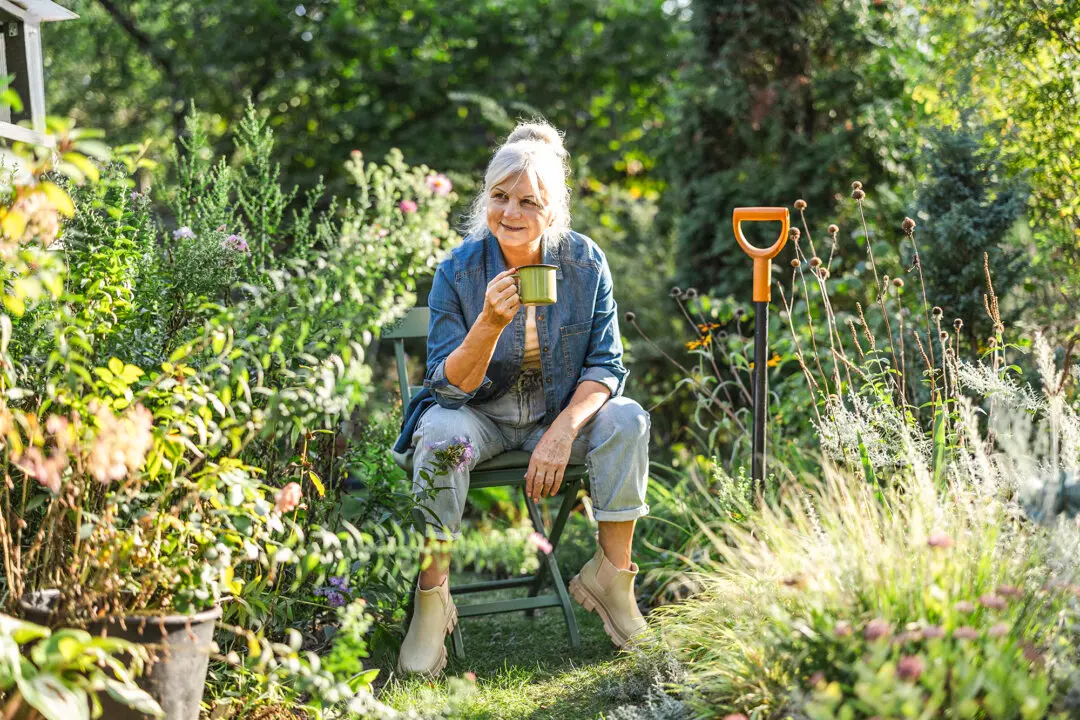
The most tranquil garden retreats are more than just lush foliage and gorgeous blooms. They are a magical entity, an escape where one can relax and unwind surrounded by colorful butterflies, cheerfully buzzing bees, and firefly shows every evening.
Creating such an oasis of mental well-being is easier than one might expect, as these garden guests tend to prefer native plants that are well-adapted to their environment and thus easier to care for. Plus, these plants have a wealth of colors to choose from—pink, red, purple, yellow, orange—so there’s something for every garden.
Let’s not forget the added benefits that these pollinators bring. They will help the existing garden thrive, bloom, and produce, which is particularly important if there are fruits and vegetables growing nearby.
Butterfly Plants
To attract these winged wonders, start with large plantings of a single color, which attracts them much better than planter beds filled with many colors mixed together. They also prefer plants with short tubular flowers or those with large flat petals for them to rest on as they sip nectar.Plants that bloom at different times will keep the butterflies from looking elsewhere during the growing season (or year-round in the south). Popular annuals include zinnia, marigolds, impatiens, cosmos, sunflowers, and verbena. Top perennial choices include coneflower, aster, black-eyed Susan, coreopsis, lantana, and phlox, plus trees and shrubs such as rose of Sharon, viburnum, abelia, and buddleia.
Roving butterflies will also be looking for host plants for their immature caterpillar offspring to feed upon. Most butterflies have specific host plants on which they develop. The famous monarch butterfly will only lay its eggs on milkweed, while black swallowtails require fennel, carrot, parsley, or dill, and the painted lady lays her eggs on hollyhock, legume, thistle, and mallow—just to name a few.
Butterfly Haven
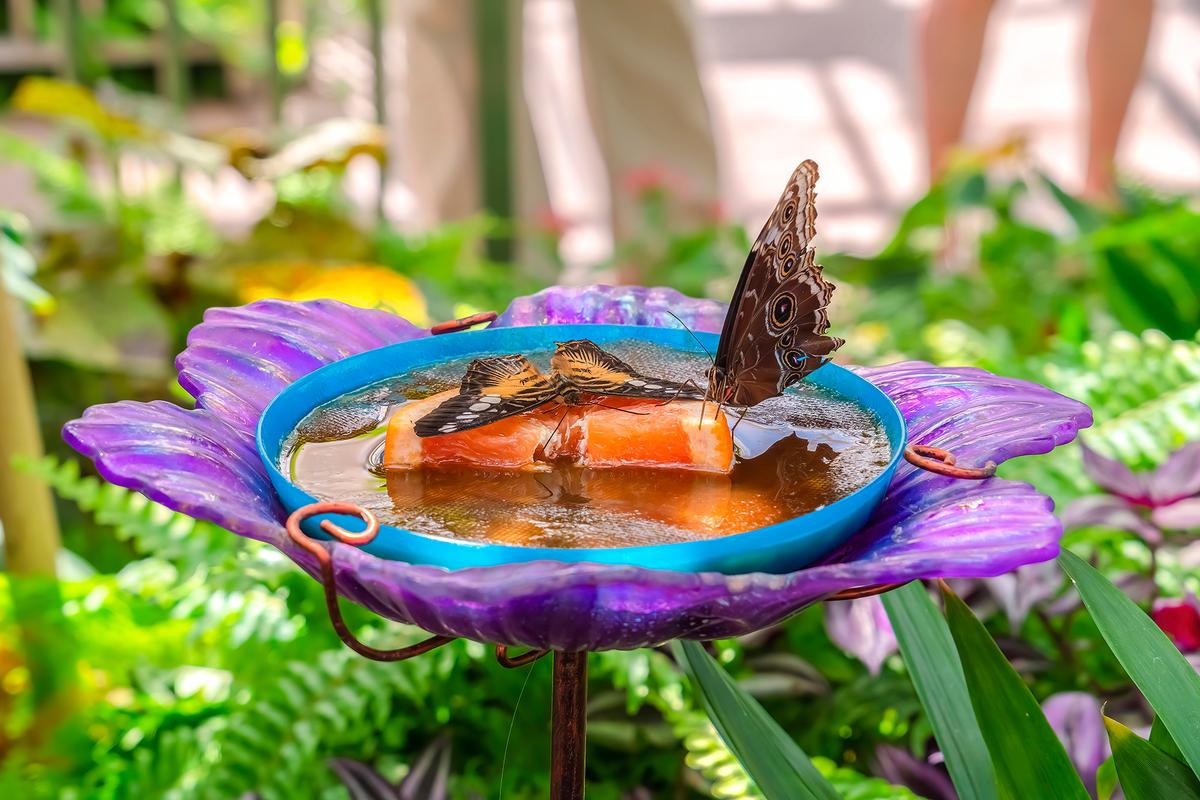
Because their wings are solar panels that transfer heat to their bodies, butterflies like open, sunny locations with at least six hours per day of full sun. At the same time, the site should provide shelter from high winds.A source of clean water is another essential. A birdbath is ideal. Fill it with rocks that break the water surface so the butterflies can land on them to drink safely without the risk of drowning.
Butterflies also need an area for “puddling”—a shallow, soggy area in the garden where they can obtain essential minerals and sodium from the soil. An alternative is a shallow pan filled with wet sand or mud. Add a few rocks for perch spots, a light dusting of salt over the surface, and enough water to keep it all moist. Putting out some overripe fruit, such as bananas or oranges, will also help attract them.
The Purchase Option
Ideally, the phrase “build it and they will come” is true for local butterfly populations. However, if none arrive (and the setup is ideal for the type you’re trying to attract), or you want to attract more, the International Butterfly Breeders Association has a listing of local breeders with butterflies for sale.Bring In the Bees
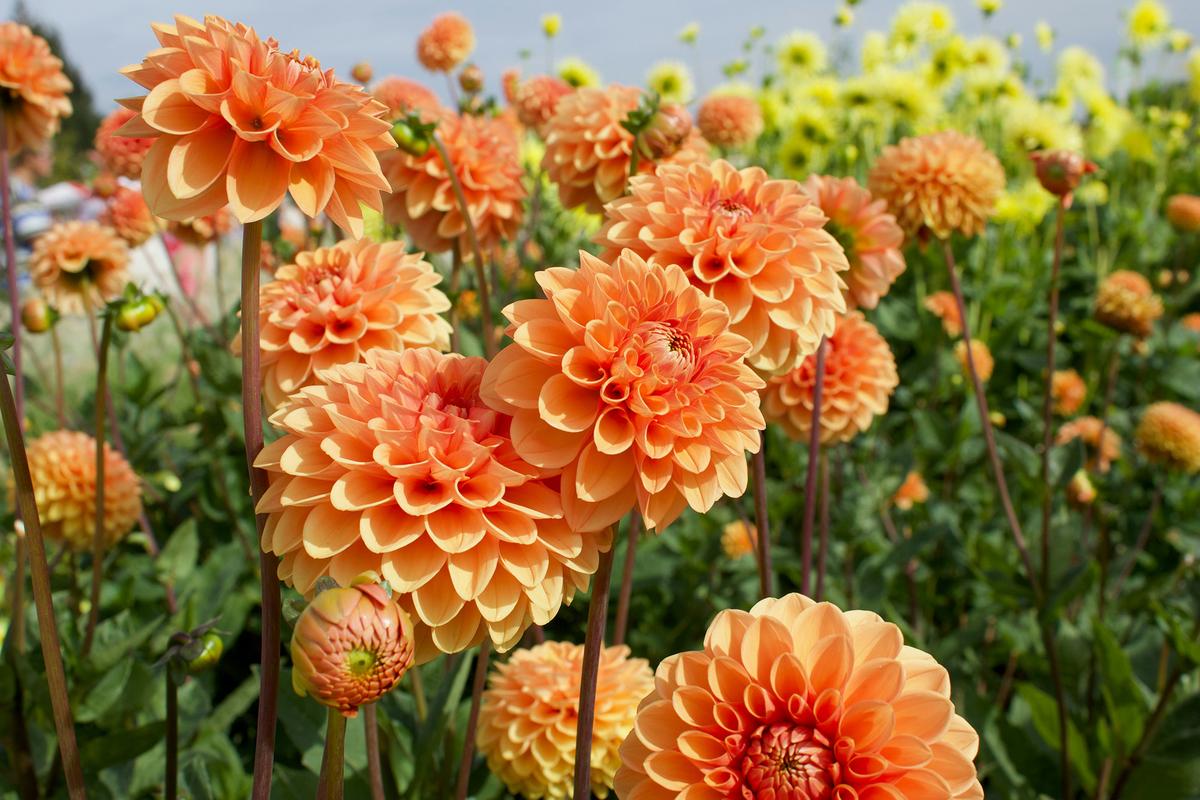
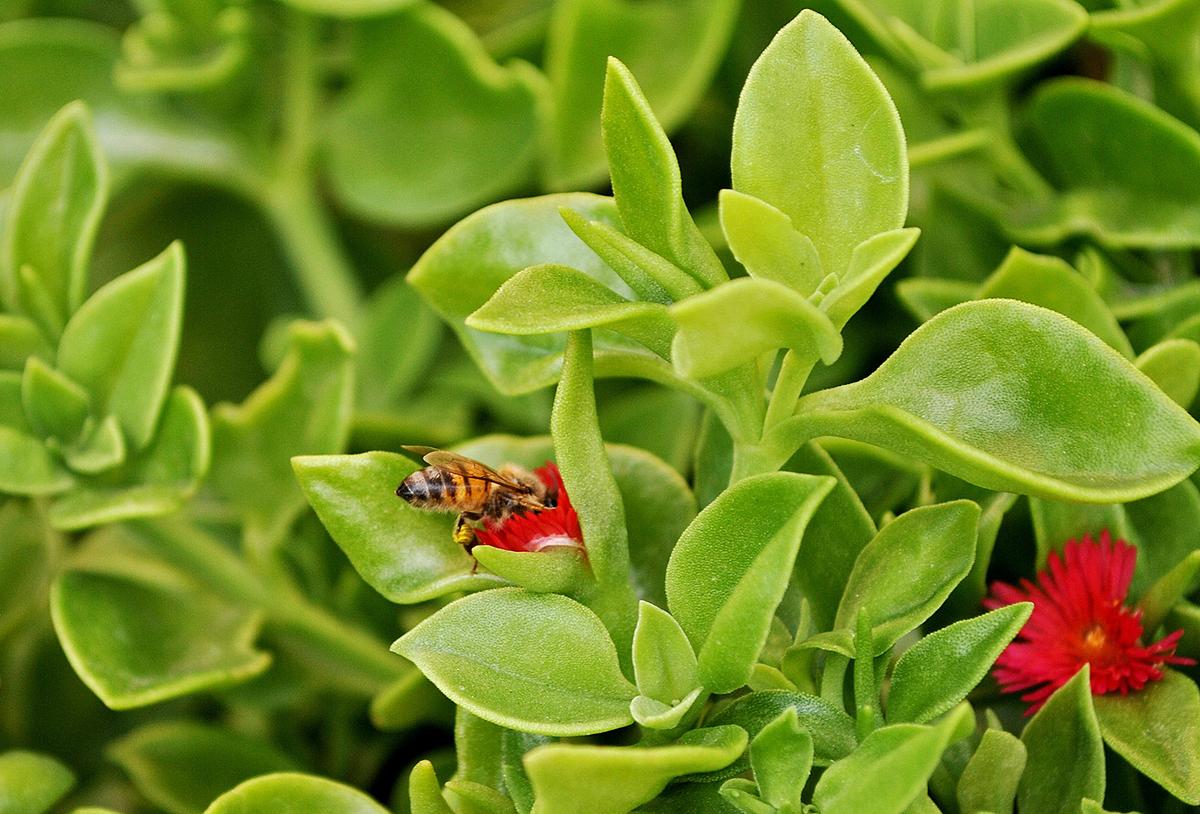
While honeybees are the celebrities of the bee world, their colonies require specialized equipment and care by a highly devoted hobbyist. Native bees (solitary bees), on the other hand, are self-sufficient once an adequate habitat is created.This starts with large group plantings of single-color flowers to get their attention; white, yellow, red, and blue-purple species are particularly effective. Sunflowers, cornflowers, dahlias, alyssums, cosmos, calendulas, pansies, blue salvia, snapdragons, and daisies are top bee-attracting annuals. Popular perennials include the aptly named bee balm and bee blossom, as well as coneflowers, goldenrod, Joe-Pye weed, rudbeckias, anise hyssop, honeysuckle, bellflowers, and hardy geranium.
There are even some trees that will keep the bees coming back for more, such as American crabapple, American witch hazel, black willow, tulip tree, red maple, and serviceberry. As with butterflies, it’s important to plant something that flowers throughout the growing season.
Home Sweet Bee Home
The most common native bees are soil-nesters that need patches of bare soil or soil with light leaf litter to excavate to construct their tunnels and brood cells. Heavy mulching and weed blocks will prevent them from nesting, potentially causing them to settle elsewhere. Give them plenty of open space.Adding a simple bee nest box will provide housing for cavity-nesters such as flower bees, leafcutters, and mason bees. They can be purchased pre-made, and there are plenty of easy DIY designs online.
The same fresh water-filled birdbath with rocks to perch on—as well as the puddler—that’s been set up for butterflies will suit bees just fine, and they’ll all be happy to share.