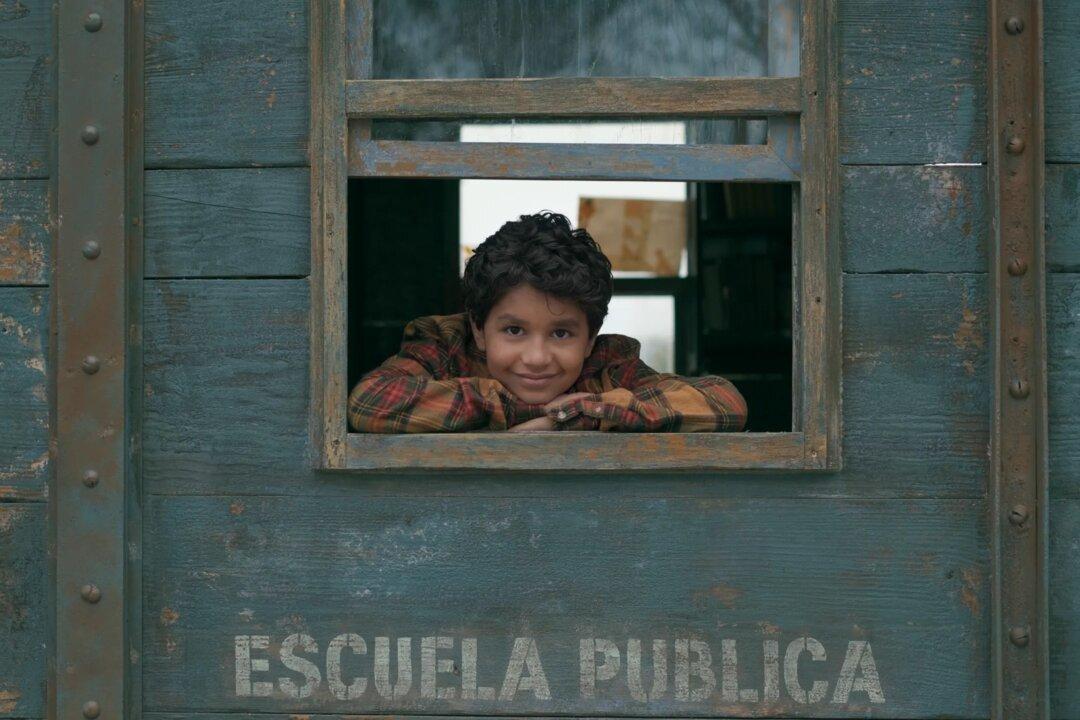
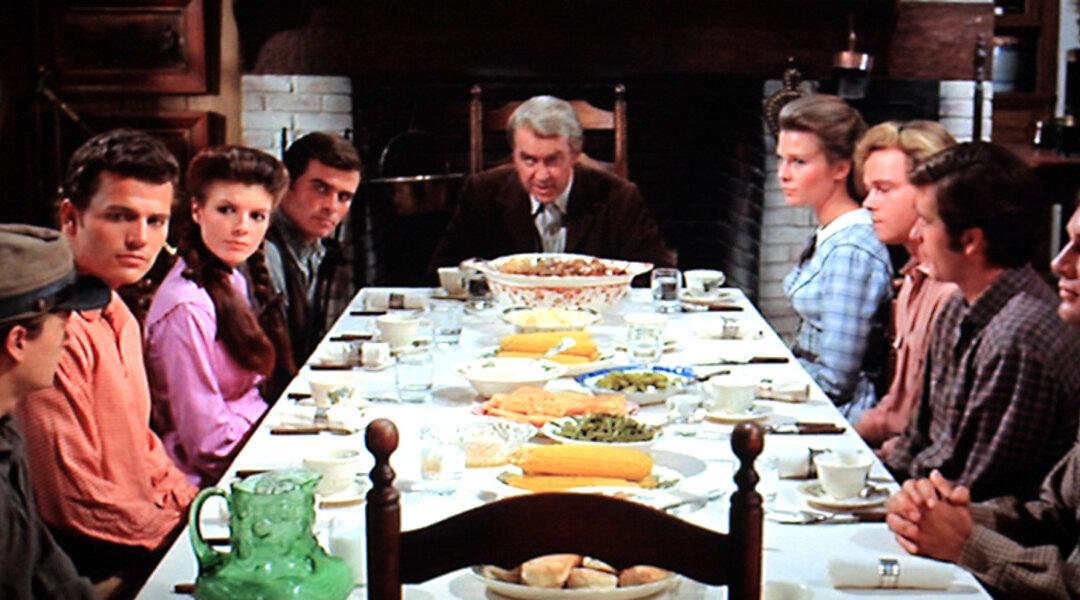
Genetic conditions such as Down syndrome (DS) can stunt people physically, intellectually, and socially. Addictions such as alcoholism stunt people spiritually and emotionally. In the faith-based film “Where Hope Grows” (2014), a person with DS teaches an addict a lesson: Taking control of his life requires surrendering to God the parts he can’t control.
Years ago, Calvin “Cal” Campbell (Kristoffer Polaha) blew his shot at baseball stardom. Now an alcoholic, he seems determined to blow his shot at life and living. He’s nearly arrested for drunken driving then for drunken vagrancy.
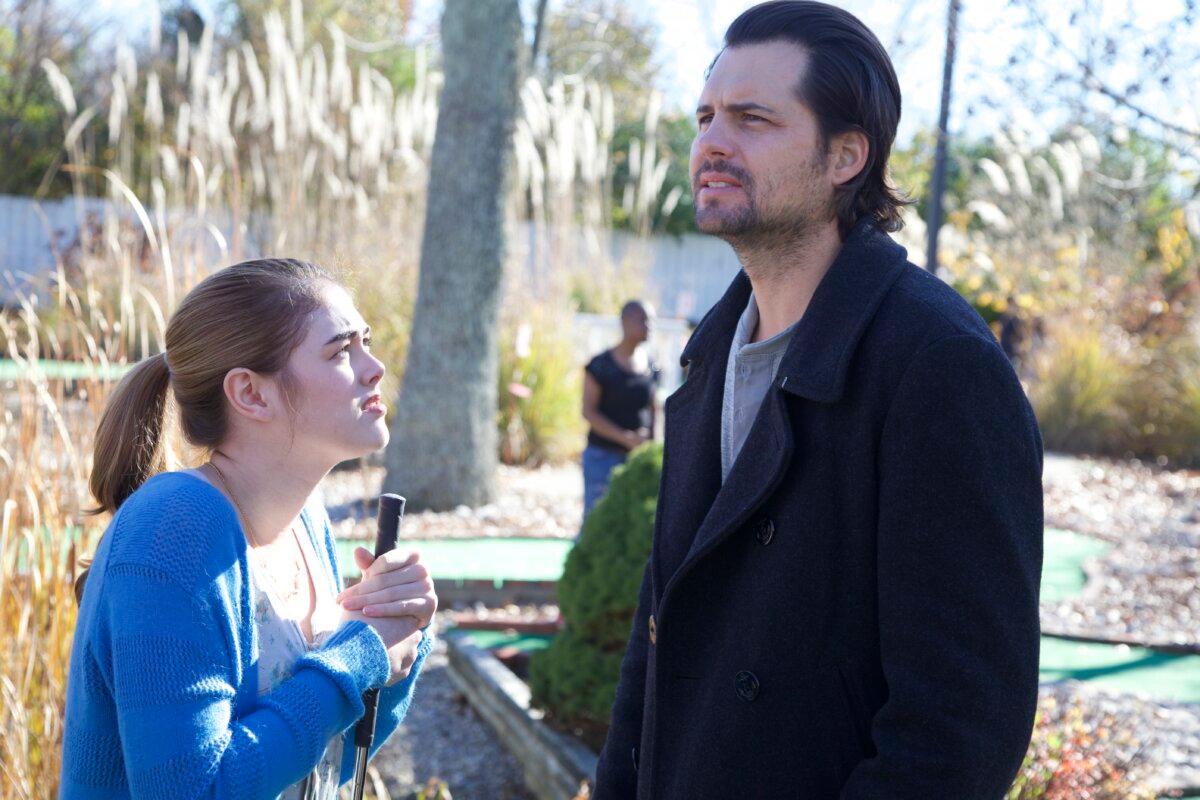
Alcoholism may be why he lost his wife. Will he now also lose his teenaged daughter, Katie (McKaley Miller), because he’s frequently drunk, drowning in self-pity, and can’t hold a job?
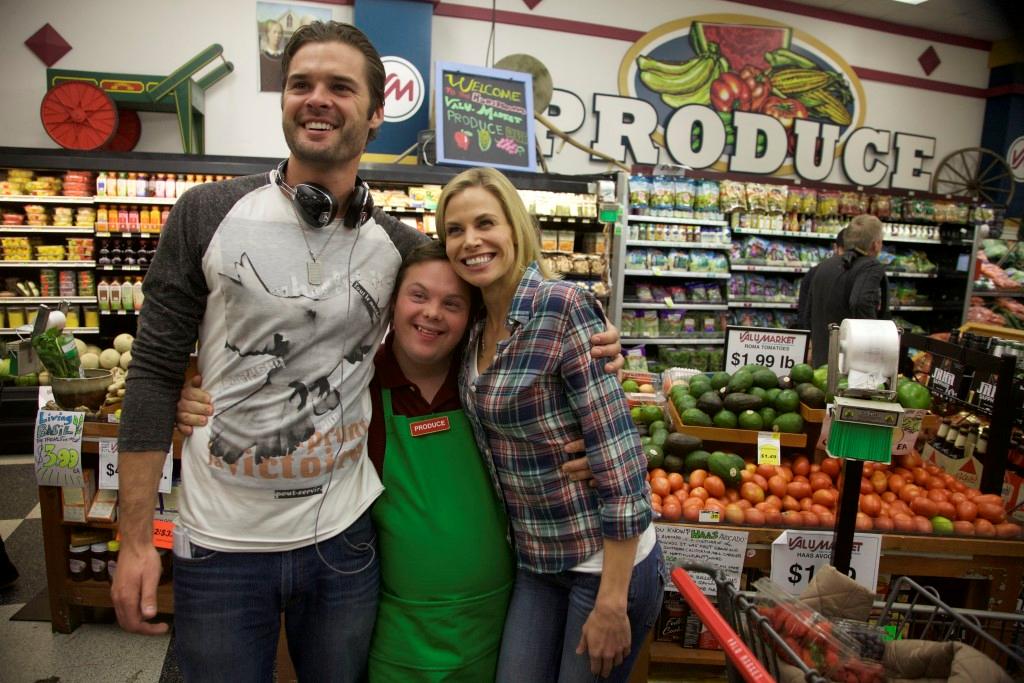
Then, he befriends a cheerful, young, churchgoing grocery store-worker with DS, “Produce” (David DeSanctis). Cal ends up teaching Produce how to effectively swing his baseball bat. As it turns out, Produce ends up teaching Cal how to tackle curveballs in real life.
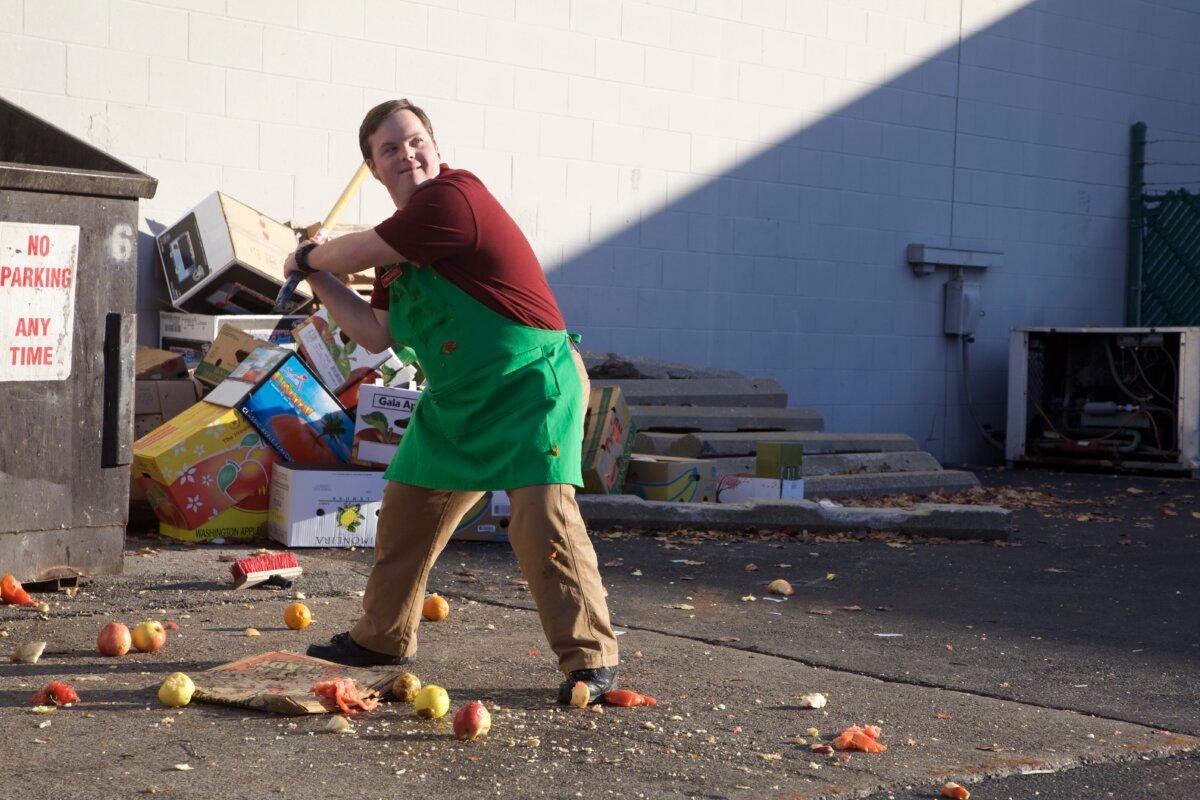
Far from perfect, this film bears one too many flaws in its subplots, scene transitions, characterizations, character arcs, and motivations. Nevertheless, its heart is in the right place. What screenwriter and director Chris Dowling lacks in execution, he makes up for in effort. That’s embodied in his perky protagonist Produce.
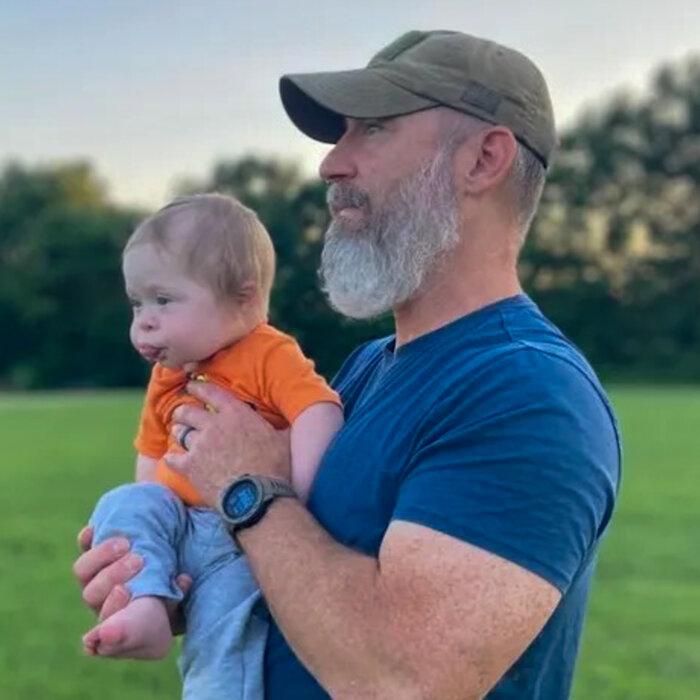

However, hope has a precondition: faith. Faith in God doesn’t preclude faith in oneself; if anything, they flourish together.
The film’s portrayal of Alcoholics Anonymous (AA) hints that not all of life can be understood adequately, but most of it can be lived adequately. Unanswered prayer, mirrored by everyday despair, may not deserve the bad rap it gets. Sometimes it may point to a different kind of answer; it’s not one we want but perhaps one we need.
Power of Thoughts and Words
Handwriting scrawled on Produce’s fridge reads, “You are beautiful. Love, Mom.” That note comes from his mother, willing that her belief in her son can translate into his believing in himself, despite the mocking he faces.Callous people call Produce a “retard.” Enraged, Cal wonders why those who’re careful to avoid racially derisive words aren’t as sensitive about words that deride disability.
After repeatedly missing the ball during practice, Produce sighs, “I’m never gonna hit a baseball.” Cal warns that, if he keeps telling himself that, he’ll merely fulfil it. Produce must “be positive.” Only then will his action fulfill his ambition.
A “syndrome” presupposes powerlessness. After all, what’s to be done about a debilitating condition that’s inherited? Meanwhile, Cal’s bravado about cleaning up his act without doing anything of the sort is like a batter taking pretend swings at a ball without striking it.
Fed up with her father asking her what he must do to reform, Katie cries, “Nothing!” She’s implying that Cal merely pretends powerlessness. He talks about changing but never even tries to change.
The reference to happy hour in this movie is for laughs, but, seriously, if binge-drinking were that good, would happy hour be necessary? Wouldn’t alcoholics (happily) pay six times the price to have what’s in the bottle?
Unanswered prayer may be God’s way of clarifying that we just don’t like or understand the answer he’s already given us. Asked how he’s doing, Produce profoundly says, “Even when I’m doing bad, I’m doing good.”