PG-13 | 2h 5m | Drama | 2017
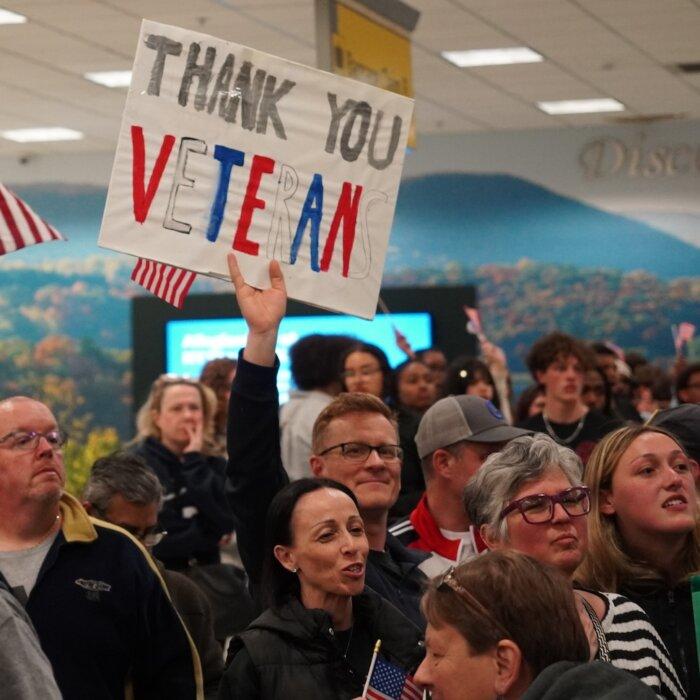
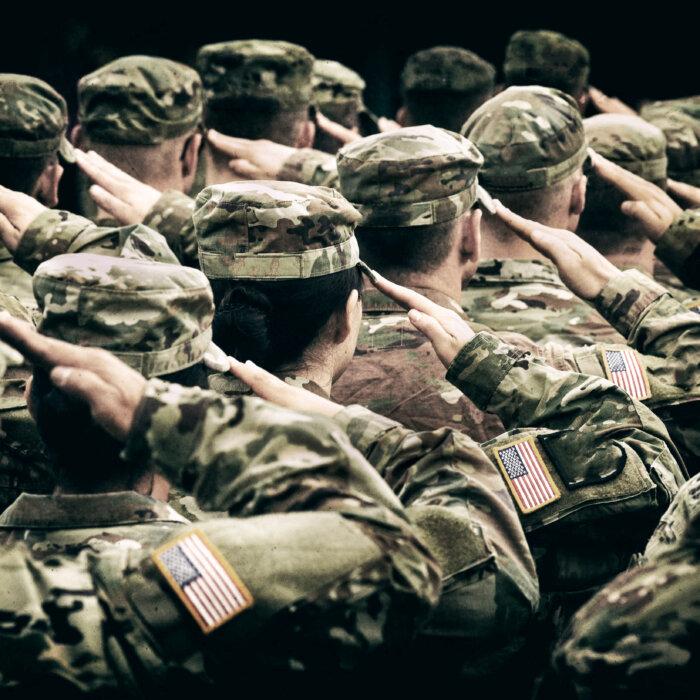
Veterans relied on their training, discipline, and a sense of duty for survival while in the service. They also carry memories that don’t shut off once their uniforms are exchanged for civilian clothes. The 2017 drama “We Are Stronger” stepped into that gap without much press or media noise around it.
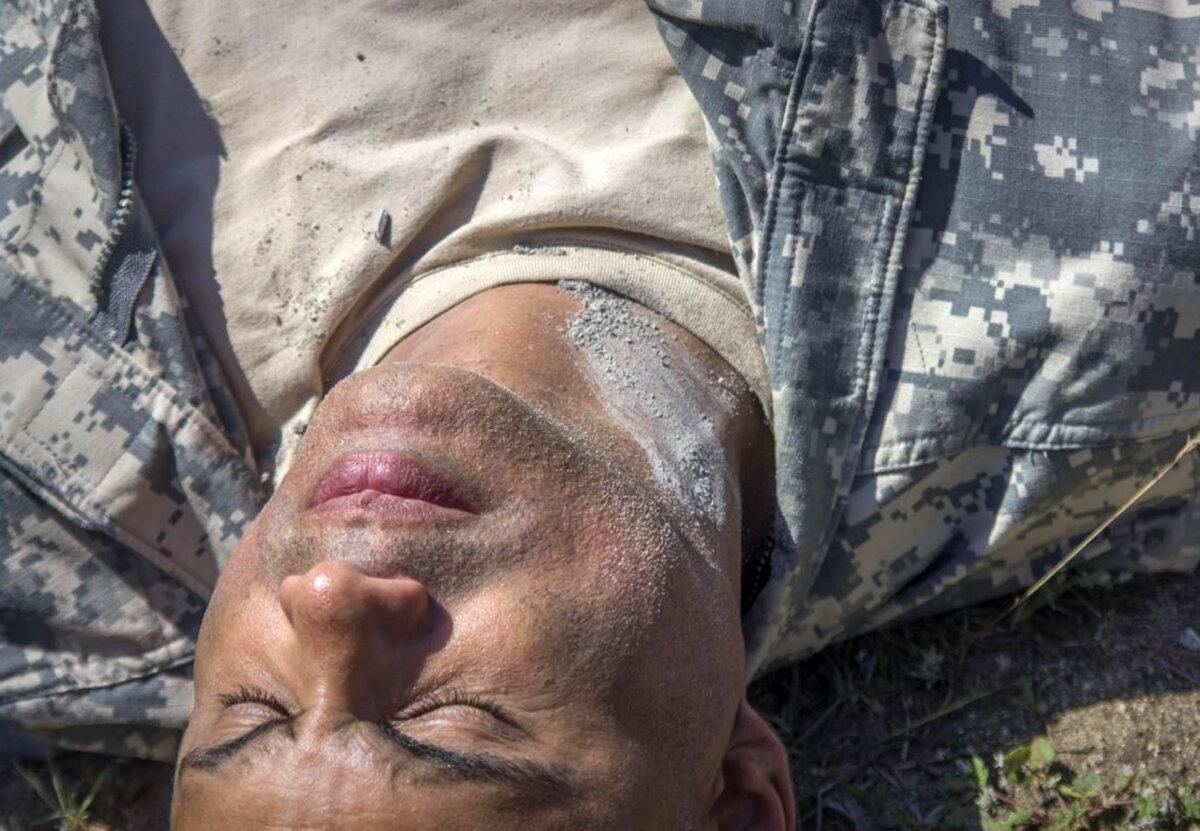
There’s also a gap between how people picture reintegration and how it actually plays out. Civilian life runs in a different rhythm, with lighter conversations and changing expectations that can leave parts of a veteran’s experience without a clear place in day-to-day life. What carried meaning during deployment can feel distant or even irrelevant back home, and that disconnect builds over time in ways that are hard to explain.
Stress, sound, and memory triggers can spike without warning, and even routine social pressure can wear someone down. A man who held it together overseas can find himself stuck in something as simple as a grocery store line, and that kind of contrast leaves many observers confused when they fall back on the idea that “toughness” should cover everything.
A Mind Still Deployed
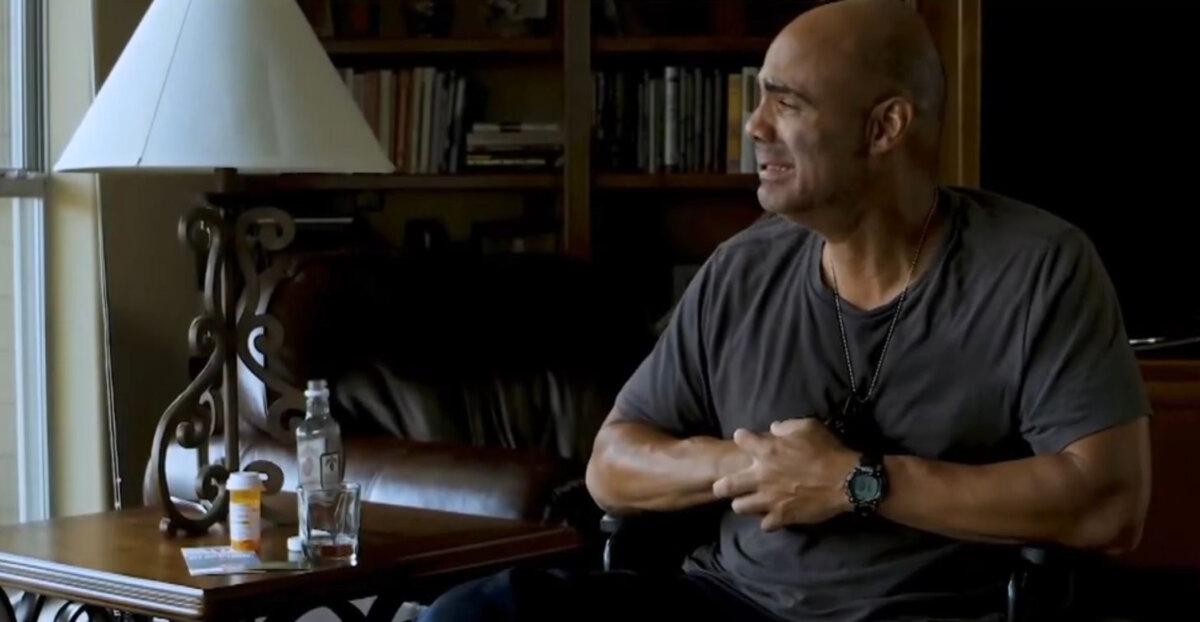
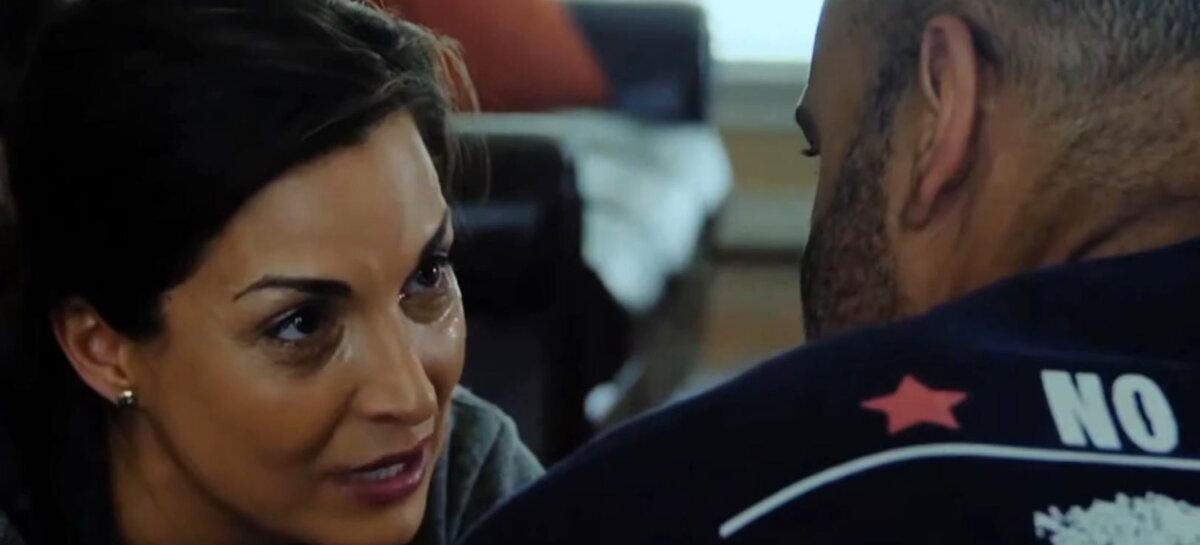
Victor “Vic” Rafael (Ulises Larramendi) wakes up from another nightmare, pulled out of it by his wife, Michelle (Angela Sweet), but he’s not free from it. Michelle sees the pattern and pushes him toward getting help. Nevertheless, he resists, saying that it’s always that way for veterans when they first return from overseas. She persists, saying that this last one affected him differently.
The film traces that break back to an ambush overseas, where a roadside improvised explosive device (IED) tears through Rafael’s unit, killing his friend Carter (Luke McDougal) and leaving Vic with a serious leg injury. The impact of that incident (and others) hangs over everything, showing up without warning and refusing to stay in the past.
Vic moves through his initial recovery in fragments. He agrees to see a psychiatrist, though he keeps his guard up and offers very little.
Physical therapy brings its own share of problems. In one scene, a simple clink of weights takes him straight back into a memory of he and Carter messing around in a base gym, a moment that once felt harmless but now cuts in a different way.
Small Film, Big Message
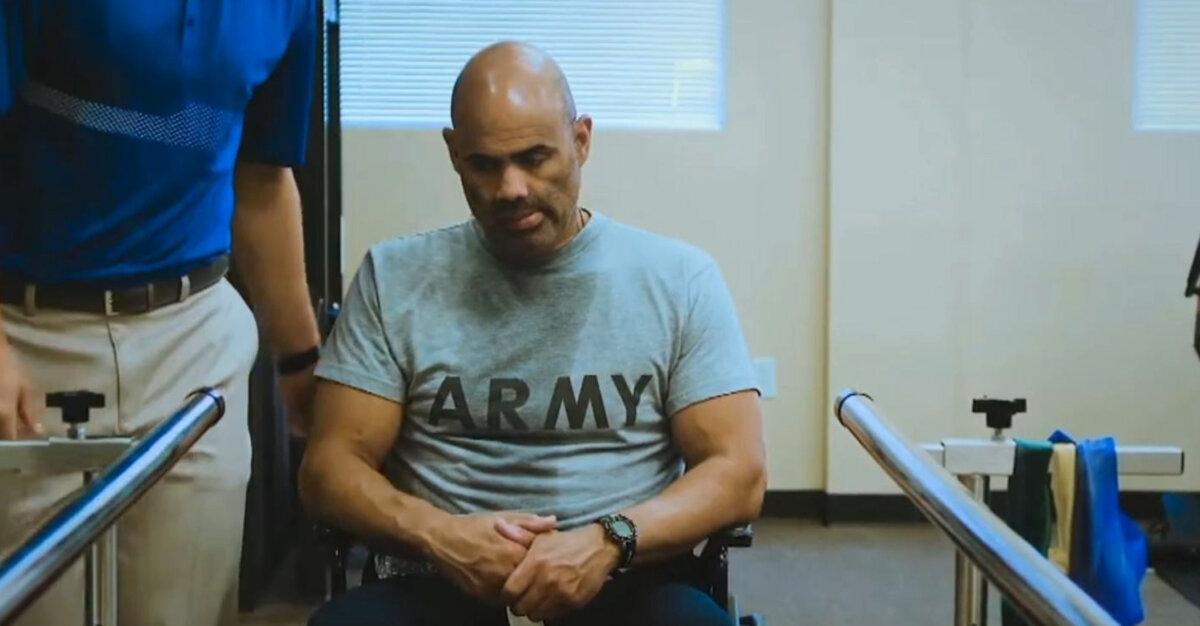
The storytelling in this production is genuinely remarkable because it captures the heavy reality veterans navigate every single day. Larramendi delivers a powerful performance. His portrayal shows Vic’s internal world through small, careful physical choices: flickering eye movements, posture, and how he carries himself.
There’s a moment where the crushing reality of his situation breaks through. Vic stares blankly, muttering: “I’m an American soldier … I was a soldier. But now I’m not. You know what I am now? I’m a patient … a burden. I’m what’s standing in her [his wife’s] way of moving on with her life. She deserves more.”
It feels incredibly authentic to see a performance that relies so much on these natural human reactions to convey such a difficult journey.
The narrative also highlights how turning toward faith provides a foundation for those dealing with these struggles. It emphasizes that opening up to family members and peers provides a much stronger path to recovery than trying to survive in isolation. Healing isn’t a solo act but a collective effort supported by the people who care the most. It’s refreshing to see a story that promotes connection over the instinct to pull away and be “tough.”
The goal here is to shine a light on the reality of PTSD, while pointing toward the hope found in God. By working with these organizations, the creators have managed to build something that feels responsible and purposeful. They haven’t just made a movie here; they’ve opened up a conversation about mental health and spiritual support.
“We Are Stronger” is a high-quality project that succeeds because the acting is so genuine. It also addresses a topic that’s frequently misunderstood or simply brushed aside by society at large.
Even though the plot centers on one individual finding his way back, the message of resilience and hope serves as a beautiful lesson for any audience.